Senior Editor: Alan Agbele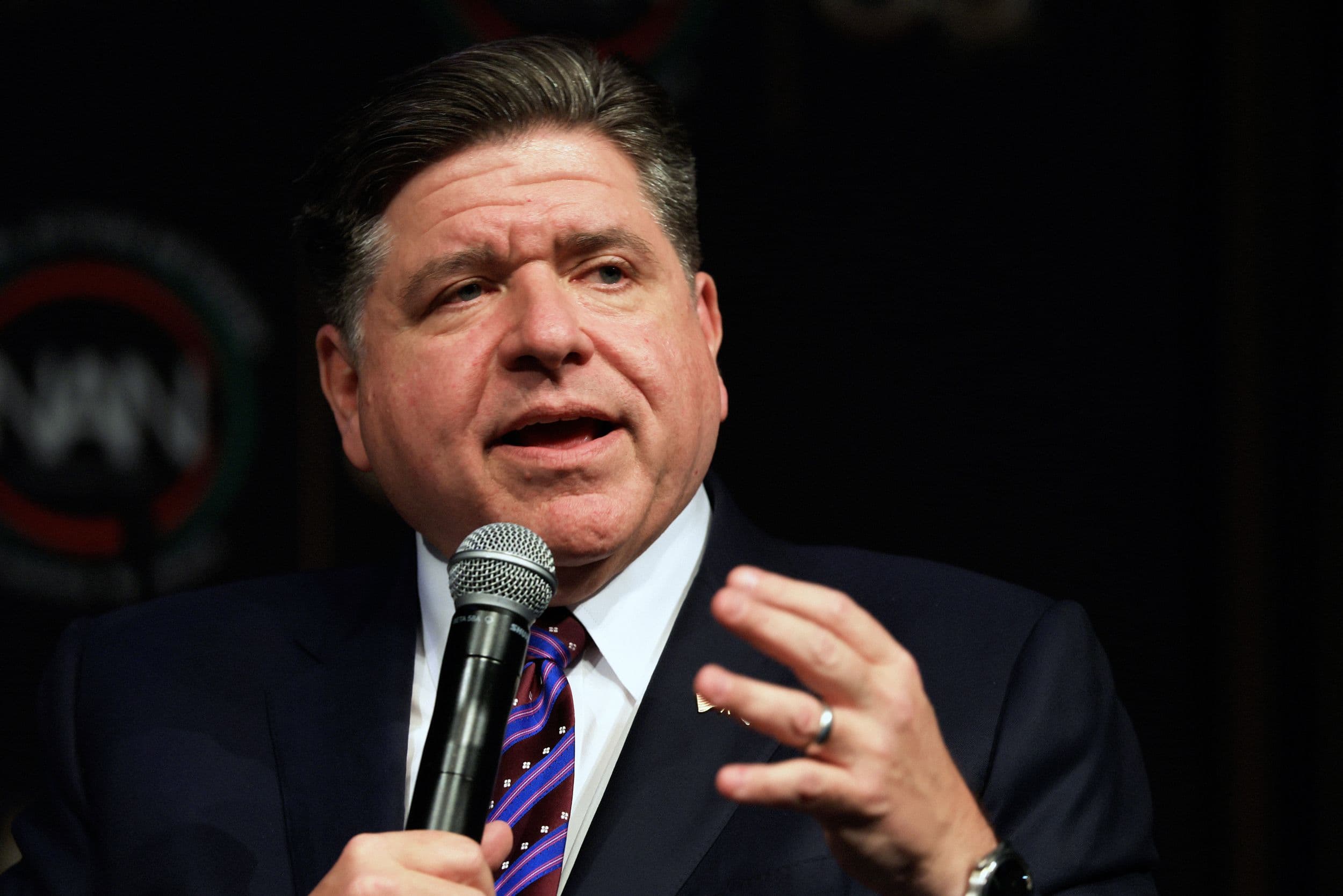
Illinois lawmakers approved a sweeping artificial intelligence safety bill on Thursday, setting what experts call the most stringent regulatory framework for AI development in the United States. The legislation now heads to Governor JB Pritzker, who has pledged to sign it.
New Rules for AI Giants
The bill mandates that companies developing advanced AI systems, including OpenAI, Anthropic and Google, must hire independent third parties to verify compliance with safety standards. These external auditors will assess whether firms are following protocols designed to prevent harmful outcomes from powerful AI models.
Under the law, developers must conduct rigorous testing before releasing new systems. They must also implement safeguards against potential misuse or unintended consequences. Companies that fail to meet these requirements could face penalties.
A National First
No other state has passed an AI safety law with such broad requirements for external oversight. The Illinois measure goes further than proposed federal legislation currently stalled in Congress. It also surpasses voluntary commitments made by major tech companies at the White House last year.
The bill targets what lawmakers describe as frontier AI models: highly capable systems that could pose risks if deployed without proper controls. These include large language models and other generative AI tools that have rapidly entered public use.
Why This Matters
The Illinois law directly affects every major AI company operating in the state, which includes many of the world's leading tech firms with offices or data centers there. For consumers and businesses using AI services nationwide, this legislation could set a precedent for how states regulate emerging technology in the absence of federal action.
The requirement for independent audits introduces a new layer of accountability into an industry that has largely policed itself. If successful, Illinois may become a model for other states considering similar measures. If enforcement proves difficult or ineffective, it could slow innovation without improving safety.
Industry Reaction
Tech industry groups have expressed concerns about compliance costs and potential barriers to innovation. Some argue that state-by-state regulation creates a patchwork of rules that complicates development and deployment of AI systems across the country.
Supporters counter that strong oversight is necessary given rapid advances in capabilities and limited understanding of long-term risks from advanced AI systems.