Senior Editor: Alan Agbele
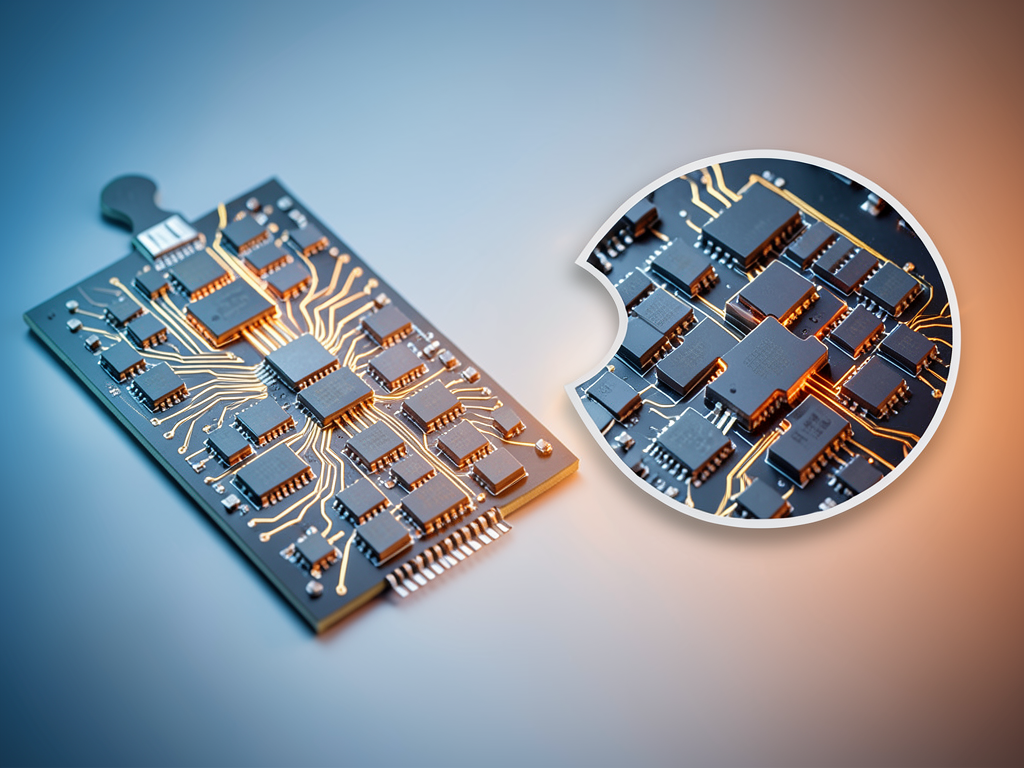
IBM has officially unveiled what it calls a next generation dual-architecture processor, marking a significant shift in enterprise server design. The chip, which blends two distinct computing architectures onto a single die, targets growing demands for both traditional transactional processing and modern AI inference workloads.
A New Approach to Server Silicon
The processor reportedly couples a high-performance core cluster with a separate efficient core cluster, each designed for specific task types. This marks a departure from IBM’s previous homogeneous designs found in the Power10 and earlier Telum chips. By separating the architectures, the company hopes to improve throughput while lowering total power consumption in hyperscale environments.
Initial benchmarks shared by IBM indicate up to a 30% improvement in power efficiency over comparable single-architecture chips. The company expects to ship evaluation units to select customers later this year.
Why This Matters
The shift carries direct consequences for enterprise IT departments and cloud providers. Companies running heavy mixed workloads aboard IBM-powered systems will see reduced operational costs per transaction. For hyperscalers, the dual-architecture design opens the door to more granular resource provisioning, letting operators assign exactly the right compute capacity to each job. On the competitive front, IBM positions itself against Intel’s hybrid Xeon parts and Ampere’s server-focused Arm chips, though its smaller market share means the effect may initially be limited to verticals like finance and insurance where IBM retains strong ties.
Market Timing and Challenges
IBM enters this segment at a moment when hybrid architectures have become standard in mobile devices and consumer laptops. Over the past three years, companies like Apple and Qualcomm demonstrated that pairing high-performance cores with efficient cores yields both longer battery life and better peak performance. Translating that success to the server space, however, introduces harder problems around thread scheduling and operating system awareness. IBM’s proprietary firmware stack must recognize which type of workload belongs on which core, a challenge that has tripped up Arm server efforts in the past.
The move also signals that IBM remains committed to advancing its own silicon roadmap rather than relying entirely on external suppliers. The company continues to invest heavily in its OpenPower foundation and the ecosystem around its own RISC-V extensions. How quickly software vendors update their applications to take advantage of the new topology will determine the processors real world adoption rate.