Editor: Porcia Akua Holmes
Software engineering teams are not accepting AI-generated code at face value. Despite headlines warning about shaky outputs from generative models, enterprise developers are applying human oversight that matches or exceeds the rigor given to human-written code. A clear pattern is emerging: trust in AI follows the risk curve, and the highest-performing teams are keeping humans firmly in the loop.
Treating AI as a Virtual Teammate
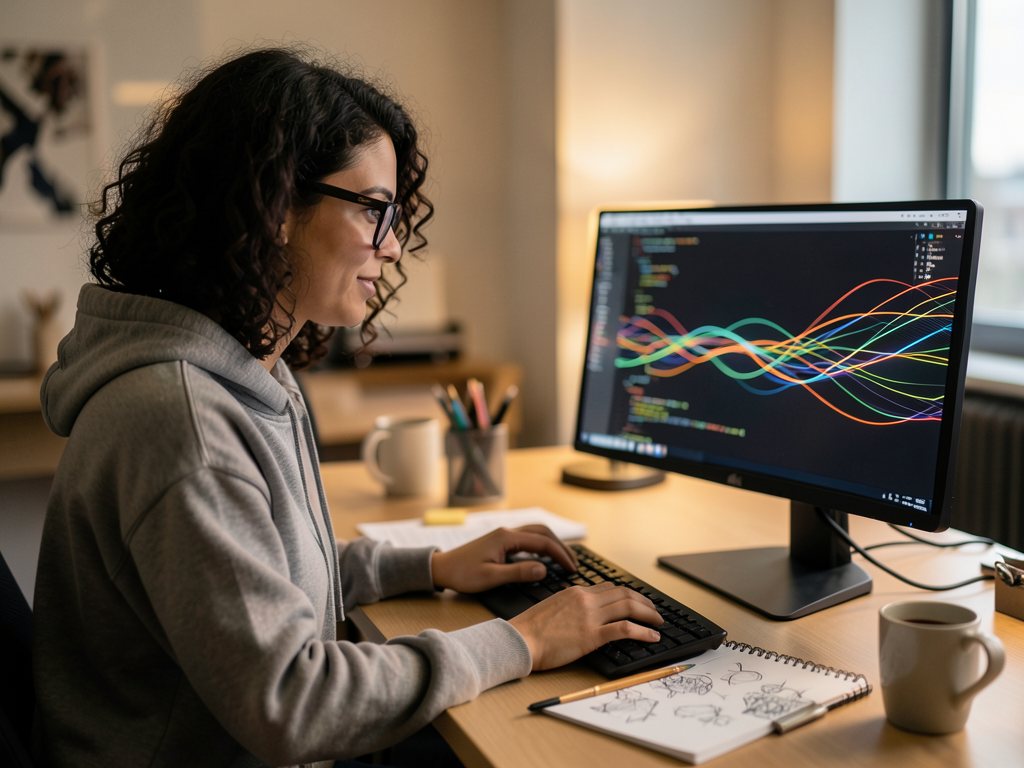
Engineers who use AI most effectively treat it as a collaborator, not a replacement. They stay in charge of decisions and use the technology to speed up execution. According to MIT's Computer Science and Artificial Intelligence Laboratory, AI coding cannot yet handle all aspects of large-scale software engineering alone. Releasing to production, for example, carries higher stakes than writing snippets. Human scrutiny is essential to prevent hallucinations from affecting the business.
The data supports this measured approach. Forty-three percent of teams treat AI-generated code exactly like human-written code, while 33% apply even stricter checks. This discipline ensures that guardrails remain the bedrock of reliable software delivery, even as generative tools become more capable. Thought leaders from Gartner, Forrester and Google's DORA team all note that success with AI-assisted development comes from strengthening engineering controls.
Trust in AI Follows the Risk Curve
Confidence in AI varies greatly depending on the stage of the software lifecycle. Teams are building trust incrementally.
This pattern is not a lack of confidence. It reflects a rational step to isolate failures before they affect users. With many businesses lacking full observability, teams often discover mistakes only when customers report them. Human judgment remains vital where the cost of error is greatest.
Speed With Discipline Wins
The productivity gains from AI are shifting the software engineer's role from writing code to reviewing and directing it. The cognitive load moves from mechanical construction to validating outputs, understanding risk and aligning with business objectives. Time freed up allows teams to focus on observability, test coverage and disaster recovery scenarios — elements of software hygiene that too often get overlooked.
Rather than removing human oversight, AI adoption is increasing documentation quality according to the DORA report. DevOps teams are taking the opportunity to improve broader engineering practices. The combination of AI acceleration and disciplined human review is producing more reliable software at higher velocity.
Why This Matters
For engineering leaders, the message is clear: AI does not eliminate the need for process and guardrails. Teams that invest in robust code review, testing and observability will extract the most value from generative tools. The rise of AI in software development reinforces the importance of human oversight, not diminishes it. Organizations that treat AI as a virtual teammate — with the same scrutiny they give human workers — will build trust that scales safely, stage by stage.