Editor: Porcia Akua Holmes
The promise of artificial intelligence rests on a fragile foundation: employee confidence. When AI is handed the wrong job, that confidence collapses quickly. The fastest way to destroy trust in AI is to deploy it where it cannot deliver reliably, leaving workers to clean up mistakes and question every output.
Where AI Actually Adds Value
AI performs best in three distinct areas. Each leverages its probabilistic nature to handle large volumes of data or unclear information without catastrophic failure. These roles suit AI because small errors remain manageable and easily corrected.
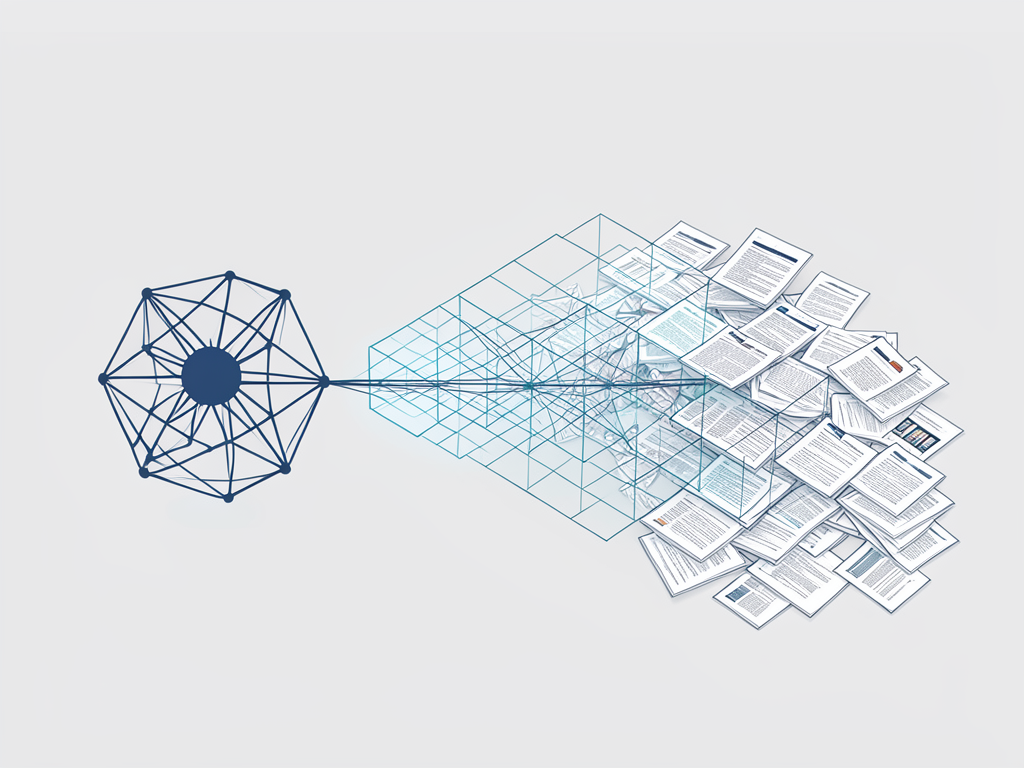
- Document processing: AI extracts, classifies and summarizes contracts, emails and reports, saving hours of manual review. It flags anomalies but leaves final judgment to humans.
- Decision support: AI analyzes supplier histories, pricing patterns and delivery timelines to present options and trade-offs. The technology suggests, the human decides.
- Personalization: AI tailors content to individual users by predicting preferences, offering recommendations that feel bespoke without requiring perfection.
These applications succeed because they keep AI in an advisory or assistive role. The output might occasionally be off, but the cost of a mistake stays low. Employees can verify results and build confidence over time.
The Cost of Assigning AI the Wrong Job
When organizations place AI in control of consequential actions, the damage multiplies. A wrong answer that triggers a contract change, approves a payment or generates code can ripple through workflows before anyone catches it. They see a confident response and assume accuracy, but probabilities never guarantee correctness.
Consider software development. AI can produce code rapidly, yet that speed often sacrifices quality. Developers then spend extra time debugging and refactoring AI-generated output. This erodes trust and inflates costs, especially as consumption-based pricing spreads. One misplaced model or faulty logic can cascade into expensive failures.
Trust, once broken, is hard to rebuild. Employees who witness AI errors start bypassing it or quietly abandon it. They revert to manual processes, negating the efficiency gains that justified the deployment in the first place. When leaders ignore these concerns, the technology becomes a liability rather than an asset.
Managing AI Like a Skilled Intern
For AI to earn trust, it must be overseen with the same rigor as a capable but inexperienced intern. Interns need guidance, limited access and incremental responsibility. The same applies to AI systems.
Start by restricting AI to low-risk tasks where mistakes are reversible. Gradually expand its authority only after it demonstrates consistent reliability. Throughout, human monitoring remains essential. This approach prevents small errors from becoming systemic failures.
The most critical design decision is where AI is allowed to reason. Keeping AI out of the implementation layer, where a tiny mistake can cause major disruptions, protects both operations and employee confidence. This discipline ensures AI supports rather than undermines the workforce.
Why This Matters
The future of AI adoption depends on rebuilding lost trust. Companies that rush deployment without oversight will face growing employee resistance, rising error costs and stalled innovation. Organizations that treat AI as a supervised assistant will unlock real productivity gains while maintaining credibility.
For individual workers, the shift changes their daily reality. They must learn to question AI outputs and retain final judgment. For leaders, the lesson is clear: AI is not a replacement for human reasoning but a tool that needs careful direction. How businesses navigate this balance will determine whether AI becomes a trusted partner or another expensive experiment that failed to deliver.