Editor: Porcia Akua Holmes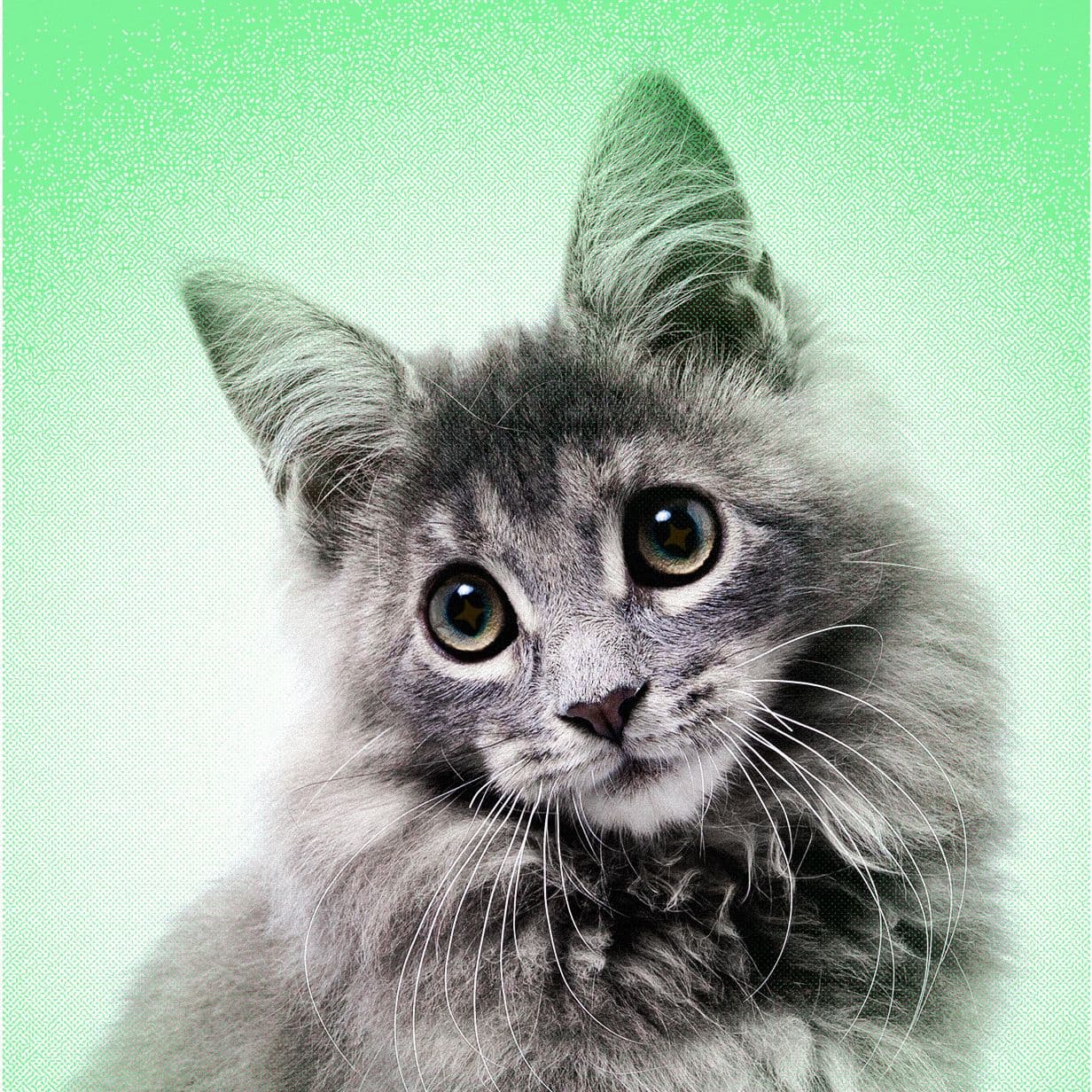
A flood of AI-generated animal images is making it nearly impossible for internet users to distinguish real pets from fake ones, prompting pet owners, rescue agencies and wildlife groups to demand new safeguards. The problem, often dubbed AI Slop, has escalated to the point where even experts struggle to verify authenticity, affecting everything from polar bear sightings to house cat adoptions.
The Scale of AI Animal Imagery
The AI Slop phenomenon extends across both exotic and domestic species. Wildlife groups report fake images of polar bears in urban settings, while cat rescue networks encounter AI-generated kittens with impossible coat patterns. The Internet Pet ecosystem now includes an unknown number of synthetic animals that mimic real posts.
Calls for Safeguards
Pet owners, rescue agencies and wildlife groups are uniting to demand platform accountability. The Internet Pet community wants mandatory labels on AI-generated images, similar to watermark requirements for political deepfakes. Organizations argue that failing to identify AI content undermines legitimate rescue appeals and allows scammers to exploit sympathy for fake animals.
“Every shared fake image takes attention away from a real animal in need,” said a representative from a national cat rescue network. Without clear AI Slop markers, the public cannot prioritize genuine cases.
Why This Matters
The consequences extend beyond digital noise. If AI-generated animal images continue unregulated, real rescue campaigns may lose funding and trust. Wildlife groups face wasted resources investigating non-existent animal sightings. For the Internet Pet community, the erosion of authenticity threatens the very foundation of online animal welfare efforts – a network built on shared trust and verifiable imagery. Platform regulators may soon face pressure to treat animal deepfakes as seriously as political ones, given the tangible harm to living creatures.