Editor: Porcia Akua Holmes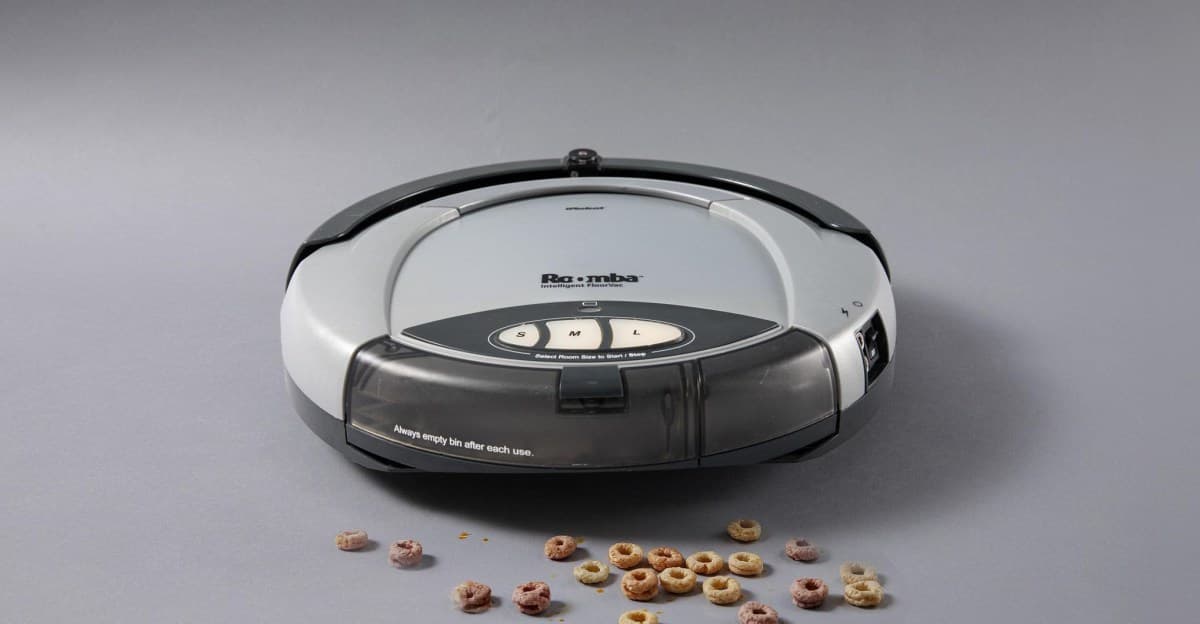
In the early 2000s, owning a Roomba meant accepting a robot that bumped blindly into furniture, sucked up dust until its tiny bin filled and then died mid-floor. Yet owners loved these machines. They gave them names. They forgave their flaws. That unlikely emotional bond became the foundation of a multibillion-dollar industry.
The story of the Roomba is not just about vacuuming. It is about how iRobot turned a utilitarian device into a cultural phenomenon and paved the way for today's smart home ecosystem.
The Accidental Pet
iRobot co-founder and former CEO Colin Angle recently traced the robovac revolution back to its origins on The Verge's podcast Version History. A group of engineers set out to build something practical: a machine that could clean floors autonomously. What they created was something far more personal.
Early Roombas were technically crude. They used random bounce navigation, lacked mapping capabilities and required frequent human intervention. But that very clumsiness made them endearing. Owners anthropomorphized their devices, treating them less like appliances and more like pets or roommates.
Why This Matters
The Roomba's success proved that consumers would accept imperfect automation if it delivered genuine convenience with personality. This insight reshaped product design across consumer electronics. Today's smart speakers, robotic lawnmowers and delivery drones all owe a debt to iRobot's willingness to launch an imperfect product that people could love.
For homeowners, the legacy is clear: robots no longer need to be flawless to be useful. The emotional connection users formed with early Roombas created trust in automation technology at scale, accelerating adoption of everything from smart thermostats to autonomous vacuums now found in millions of homes worldwide.
A Template for Consumer Robotics
iRobot's approach offered lessons beyond cleaning floors. By prioritizing affordability and approachability over technical perfection, the company opened a market that competitors like Dyson and Samsung later entered with higher-end models. The category grew from novelty to necessity within two decades.
The shift also influenced how companies think about user experience in robotics. Rather than demanding perfect performance from day one, manufacturers learned to iterate through software updates and incremental hardware improvements while maintaining user loyalty through brand personality and reliability.
The Emotional Economy of Automation
The Roomba phenomenon highlights an often overlooked factor in technology adoption: emotional resonance. People do not just buy tools; they buy experiences they can relate to. Naming your vacuum cleaner seems silly until you realize it reflects genuine attachment born from daily interaction with something that helps you without judgment.
This emotional economy now drives product strategy across consumer tech companies seeking long-term customer relationships rather than one-time sales transactions.