Editor: Porcia Akua Holmes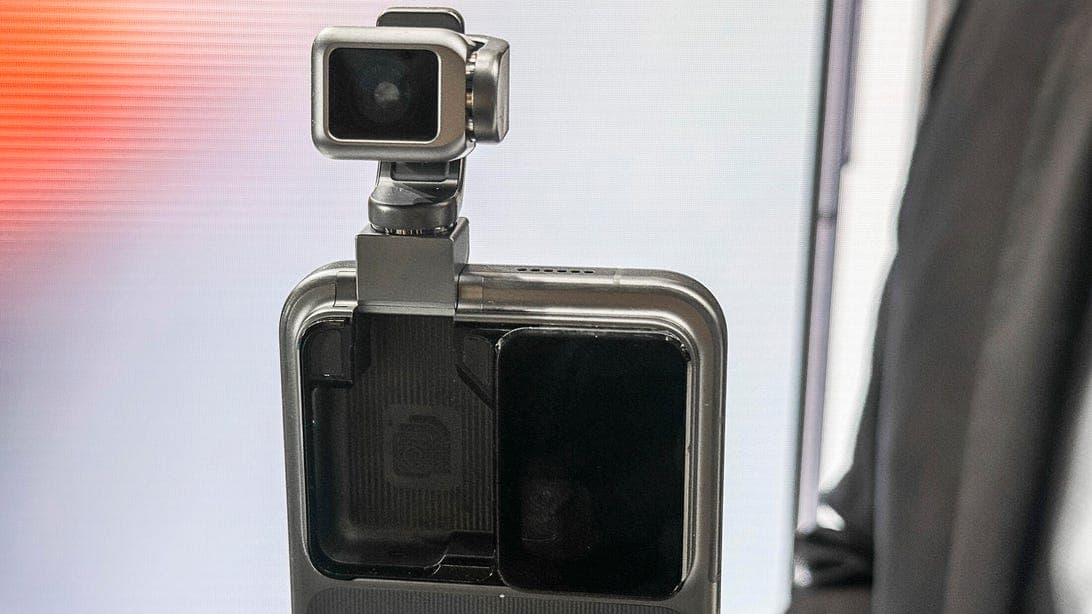
Smartphone cameras have long chased the quality of dedicated gear. Honor is taking a direct run at that gap with a device that merges a phone and a motorized gimbal into a single package. The result is a smartphone that promises smooth, stabilized video without the need for extra accessories.
What the Honor Robot Camera Phone Offers
The Honor phone uses a miniature gimbal mechanism embedded in the camera module. This allows the lens to physically move and counteract hand shake, panning and tilting in real time. Unlike standard optical image stabilization, which adjusts a floating lens element, this approach offers wider correction angles and smoother motion during video recording. For a YouTube creator or anyone shooting on the go, the difference can be dramatic.
Early demonstrations show the system handling walking shots and rapid pans with minimal wobble. The phone also includes software tools that work with the gimbal hardware, such as automatic subject tracking and horizon leveling. These features aim to reduce the need for post-production stabilization, saving time for creators who publish daily content.
Why This Matters
Consumer video quality has become a key battleground for smartphone makers. Users expect fluid footage without carrying a separate gimbal or rig. Honor's design directly addresses that pain point for mobile journalists, vloggers and casual shooters. If the technology proves reliable, it could push competitors to adopt similar hardware or risk looking outdated in the video department.
The move also signals a broader trend: smartphone brands are moving beyond sensor megapixels and lens count to solve real usability problems. Stabilization is one of the most common frustrations in mobile video. By embedding a gimbal, Honor is betting that practical hardware innovation will win over spec sheet comparisons.
Challenges and Early Impressions
Integrating a moving mechanical part into a phone introduces durability and battery trade-offs. Honor has not yet disclosed long-term reliability data or how the gimbal affects battery life during extended recording. Early hands-on reports suggest the mechanism is sturdy but adds noticeable thickness to the camera bump. For users who prioritize a slim profile, this may be a compromise.
Price and availability remain unconfirmed. If the Honor phone lands at a premium, it will compete directly with flagship devices from Apple and Samsung, both of which rely on advanced software stabilization rather than physical gimbals. The real test will be whether creators find the gimbal feature indispensable enough to switch platforms.
Industry Context
Honor is not the first company to experiment with hybrid stabilization. Several Chinese brands have dabbled with micro-gimbals in phones, but none have made it a flagship differentiator. Meanwhile, dedicated gimbals from DJI and Zhiyun remain popular among serious video shooters. Honor's challenge is to convince users that a phone can replace both their smartphone and their gimbal without sacrificing quality in either role.
If the device succeeds, it could accelerate a shift toward modular camera designs in phones. If it falters, it will reinforce the idea that dedicated accessories are still necessary for professional-grade video. Either way, Honor is forcing the industry to think about stabilization as more than a software feature.