Senior Editor: Alan Agbele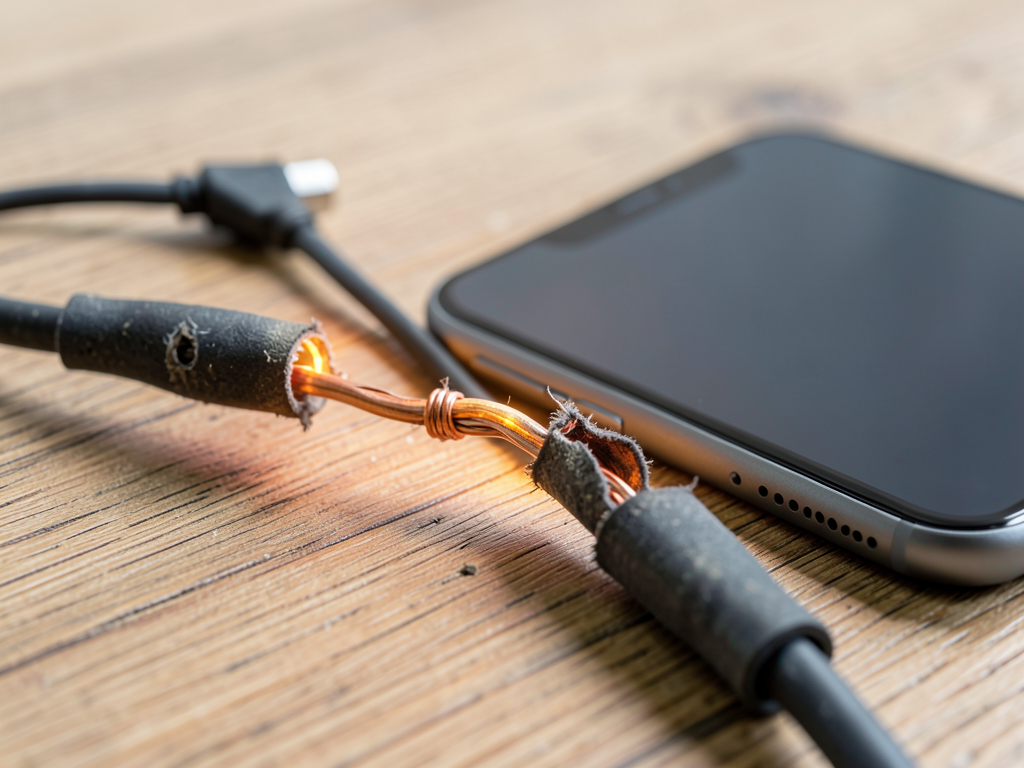
You might not give your phone charger much thought, but ignoring Signs Your Phone Charger Might Need Replacing You can lead to serious safety hazards. A damaged charger does not just slow down your device. It can spark a fire or ruin your phone's battery. Knowing what to look for keeps you and your electronics safe.
Key Warning Signs to Watch
Physical damage is the most obvious red flag. If the cable jacket is frayed, split or shows exposed copper, stop using it immediately. Similarly, a connector that feels loose, bends at an odd angle or does not click firmly into your phone ports indicates a structural breakdown. Heat is another critical signal. A charger that becomes hot to the touch during normal use may have a short circuit or failing components. Finally, inconsistent charging behavior such as the phone only powering up when the cable is held at a certain angle points to internal wire breakage.
Why This Matters
The stakes go beyond convenience. A compromised charger can deliver unstable voltage or current, which slowly degrades your phone's lithium-ion battery, reducing its lifespan. In worst cases, damaged wiring can arc and ignite nearby materials. The Consumer Product Safety Commission regularly reports fires linked to damaged phone chargers. Replacing a charger at the first sign of trouble is a cheap, simple way to protect your property and your family. This is especially critical for households with children or pets, where exposed cables create additional risk.
Choosing a Safe Replacement
Not all replacement chargers are equal. Cheap, uncertified cables often skimp on insulation and circuit protection. Look for chargers that carry MFi certification for Apple devices or USB-IF certification for Android. These marks indicate the product has passed safety and performance tests. Avoid chargers that feel flimsy, have thin cables or show misspellings on the packaging. Stick to reputable brands and buy from trusted retailers. Spending a few extra dollars on a certified charger is a direct investment in safety.
Replacing a phone charger is a straightforward task. The hard part is noticing the early Signs Your Phone Charger Might Need Replacing You. Check your charger today. If you spot any of these warning signs, throw it away and get a certified replacement.