Editor: Porcia Akua Holmes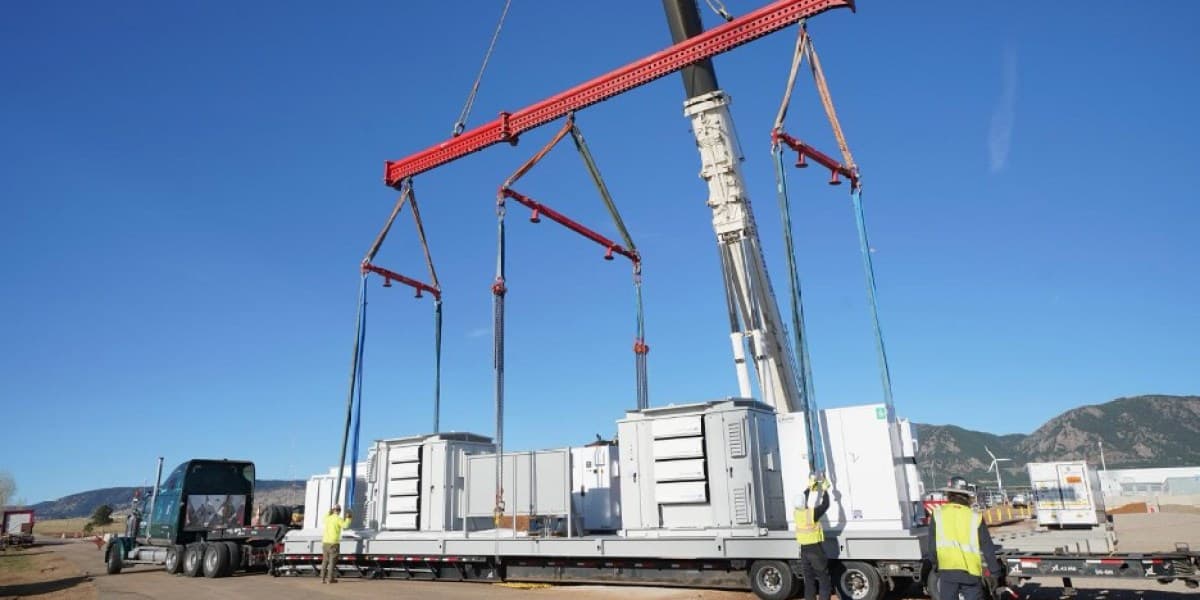
On July 22, 2026, a transmission line fault near Ashburn, Virginia, knocked more than 3 gigawatts of data center load offline in seconds. Two years earlier, a single failed surge arrester dropped roughly 60 facilities and 1,500 megawatts at once. These events were not supply failures. They highlighted a structural flaw: the power architecture inside AI data centers cannot coexist safely with today's grid.
The Load Swing Crisis
Traditional factories and data centers pull power smoothly over minutes or hours. AI training clusters behave differently. A cluster can ramp up 70% of its load in milliseconds during a GPU burst, then drop offline just as quickly when an upstream disturbance triggers protective relays. When thousands of units do this simultaneously at gigawatt scale, the effect resembles a coordinated chop to the regional grid.
Transmission planners expected gradual growth. Instread, they face an unpredictable, highly dynamic load class. The root cause is not insufficient generation; it is the way power flows through the building.
Where the Old Design Breaks
The standard power stack has barely changed in decades. Medium-voltage lines enter, transformers step down voltage, low-voltage UPS units condition power, and it reaches the racks. Pushed to AI scale, this approach fails in three ways.
None of this reflects sloppy work. It shows that the existing design was optimized for smaller, steadier loads.
Reengineering Power Delivery
The solution involves three coordinated changes. The first move raises operating voltage from typical 480 volts to medium voltage (13.8 kV and above), matching the level utility substations supply. The second move relocates conditioning equipment from indoor data halls to modular enclosures placed near the substation fence, freeing floor space for compute and cooling. The third move routes every electron through the conditioning system permanently rather than using standby bypass circuitry. No detection or switching is needed because nothing ever goes around the filter.
On paper straightforward, these changes rewrite every downstream cost line. Interconnection now certifies one medium-voltage box instead auding every internal transformer and switchgear. Chip swaps occur without fresh interconnection studies. Months come off permiting timelines.
The economics also shift. Equipment that operates at medium voltage, sits outdoors and stores its own energy qualifies for tax credits and can earn revenue through peak shaving and demand response programs. Backup power stops being insurance and starts paying for itself. Density per construction dollar climbs.
Why This Matters
Utilities face a choice: allow each new hyperalcer campus to connect using legacy designs that threaten grid stability, require medium-voltage interfaces with full-time conditioning. Regulators are scrutinizing interconnection requirements following the Virginia events. Data center developers who adopt rearchitected power delivery gain faster permitting lower operating costs, and new revenue streams. The constraint on data center growth is less about electrons and more about how and where those electrons are conditioned. Solving this architecture problem will determine how quickly and reliably the next generation of AI infrastructure comes online across the United States and globally.