Editor: Porcia Akua Holmes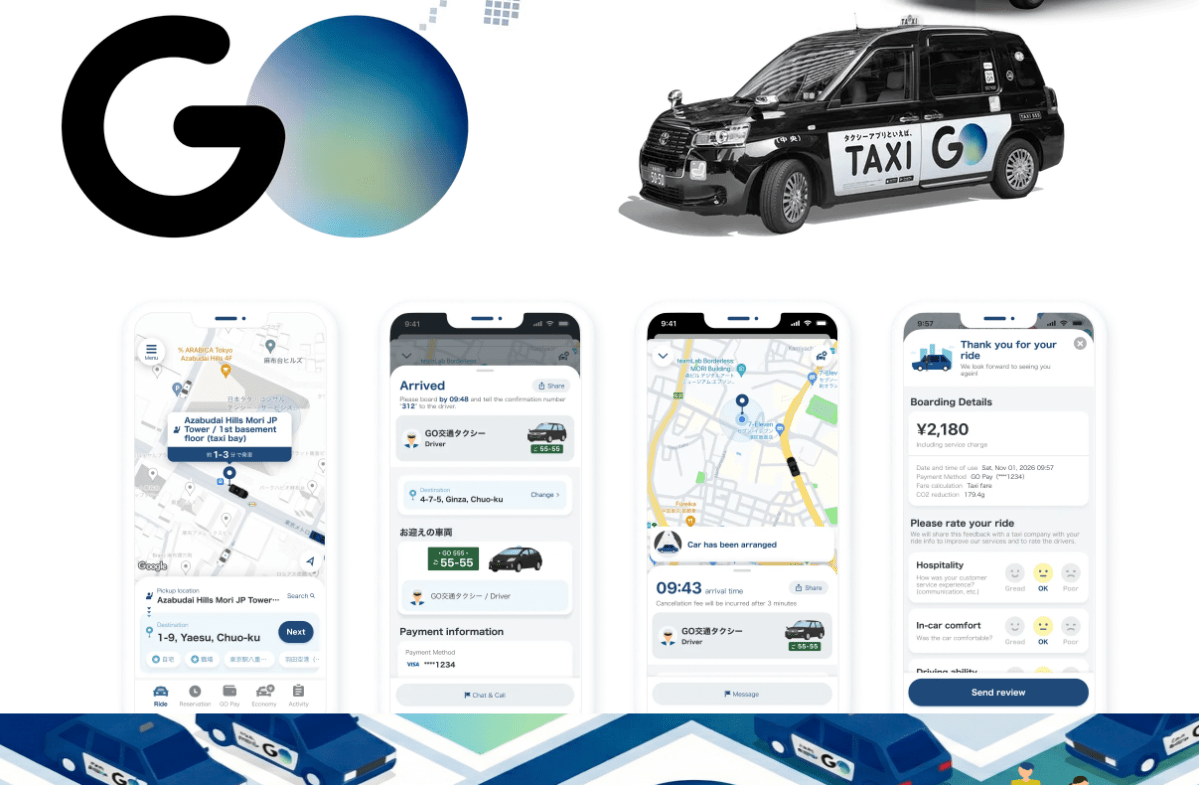
Japan's largest initial public offering of 2026 has landed with a clear mission. Go, the taxi-hailing app that went public Tuesday, raised ¥88.6 billion ($590 million) in a listing that injects fresh capital into a sector grappling with a critical shortage of drivers.
The company plans to deploy the funds across two strategic fronts: accelerating its development of autonomous robotaxi technology and pursuing acquisitions of smaller competitors. This dual approach signals a shift in how ride-hailing platforms view their long-term viability in markets where human driver supply is shrinking.
Robotaxis as a Strategic Response
Go's investment in robotaxis addresses what the company describes as an existential challenge for Japan's transportation industry. With an aging population and declining workforce participation among younger generations, the pool of available drivers continues to shrink.
Autonomous vehicles offer a path to maintaining service levels without relying on human labor that may not materialize. Go is betting that self-driving technology can fill gaps left by demographic shifts rather than simply replacing existing drivers.
Acquisition Plans Signal Market Consolidation
The IPO proceeds also fund an aggressive acquisition strategy. Go aims to buy smaller ride-hailing operators that lack the resources to invest in autonomous technology or compete for limited driver talent.
This consolidation mirrors patterns seen in other mature ride-hailing markets where scale determines survival. Smaller players face mounting pressure from regulatory costs, insurance requirements and technology investments that only larger platforms can sustain.
Why This Matters
The implications extend beyond Go's corporate strategy. Japan's driver shortage represents a structural economic problem affecting mobility access for elderly residents and rural communities.
If Go succeeds in deploying robotaxis at scale, it could set a template for other countries facing similar demographic pressures. The model combines public market financing with autonomous vehicle development — an approach that differs from heavily subsidized robotaxi pilots common in other regions.
The IPO also provides a much-needed signal for Japan's listing market which has struggled with low volumes this year. A successful debut from Go could encourage other tech companies considering public offerings in Tokyo rather than pursuing listings abroad.
Market Implications
Investors will watch how quickly Go can transition from traditional ride-hailing operations to autonomous services while integrating acquired companies. The timeline matters because competitor funding rounds and regulatory decisions on self-driving vehicles will shape whether Go maintains its first-mover advantage or faces crowded competition.
- The company must balance short-term acquisition integration with long-term robotaxi research timelines
- Regulatory approval for commercial autonomous vehicles remains uncertain across Japanese prefectures
- Driver recruitment challenges persist even as automation promises eventual relief