Senior Editor: Alan Agbele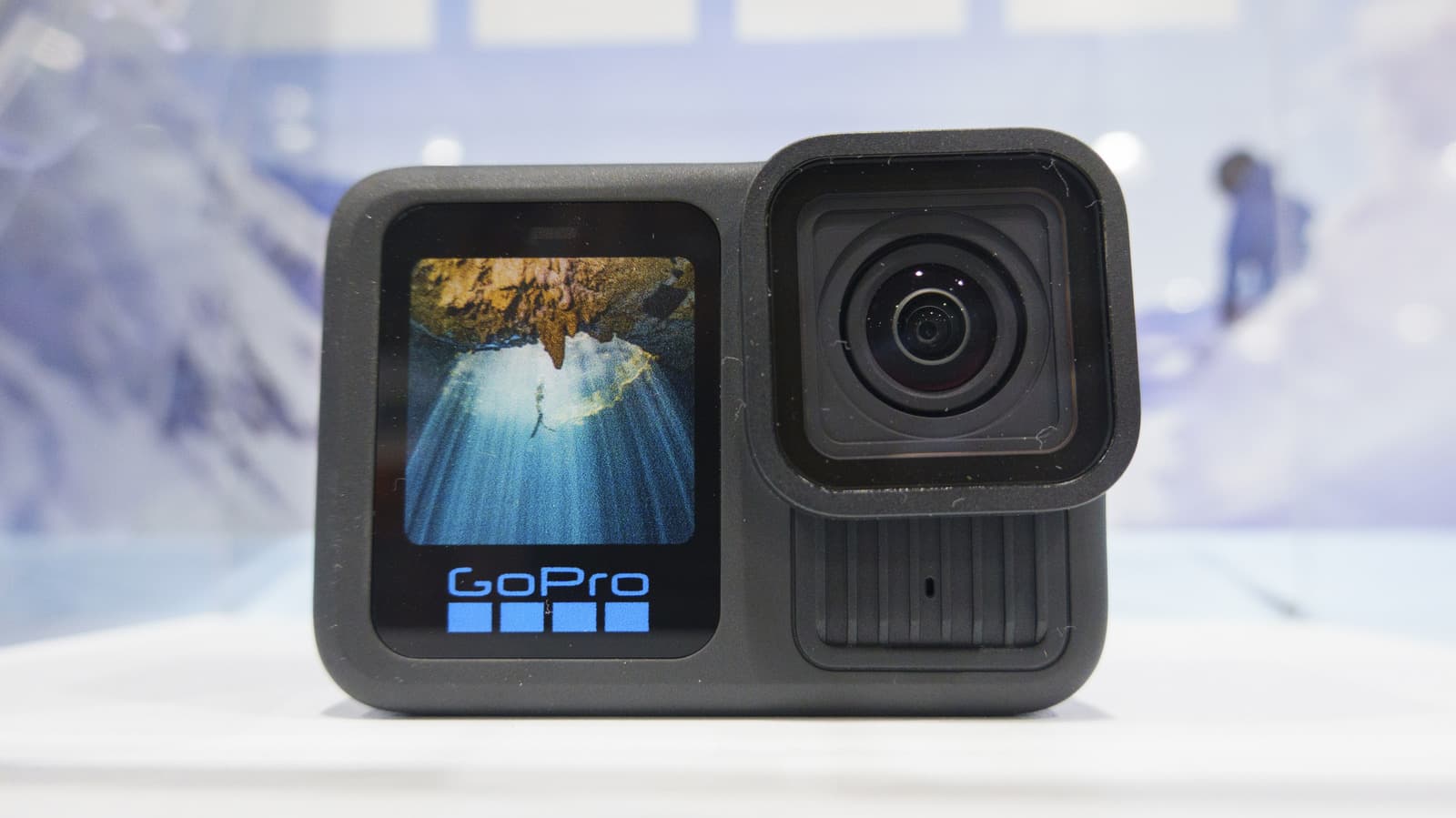
GoPro, the action camera maker known for its rugged devices, is being acquired in a $285 million deal that will pivot the company toward artificial intelligence data center operations. The merger signals the end of GoPro’s consumer camera focus as it eyes a new role in the booming AI infrastructure market.
The Merger Details
Under the merger agreement, GoPro will be acquired for approximately $285 million. The company says the transaction will enable it to redirect its resources toward AI data center operations. Financial terms suggest the deal values GoPro at a fraction of its past market highs, reflecting the challenges it has faced in recent years.
A Dramatic Strategic Shift
GoPro's move into AI data centers represents a complete departure from its identity as a consumer electronics brand. The company, which once dominated the action camera market, has struggled to maintain growth as the smartphone camera quality improved and competition intensified. By pivoting to AI infrastructure, GoPro is betting on a sector that has seen explosive demand for computing power.
Why This Matters
GoPro's pivot underscores how legacy consumer hardware companies are scrambling to find relevance in the AI era. For GoPro investors, the merger offers an exit at a time when the standalone camera market is shrinking. For the broader industry, it signals that even established brands are willing to abandon their core products to chase AI-related growth. The deal also highlights the intense demand for data center capacity as companies race to deploy generative AI and machine learning models.
GoPro shareholders, however, will need to weigh the valuation of $285 million against the company's former peak. The pivot also carries execution risk: building and operating AI data centers requires different expertise from manufacturing cameras. If successful, GoPro could become a small but viable player in the infrastructure space; if not, the merger may be remembered as a last-ditch effort to stay afloat.