Senior Editor: Alan Agbele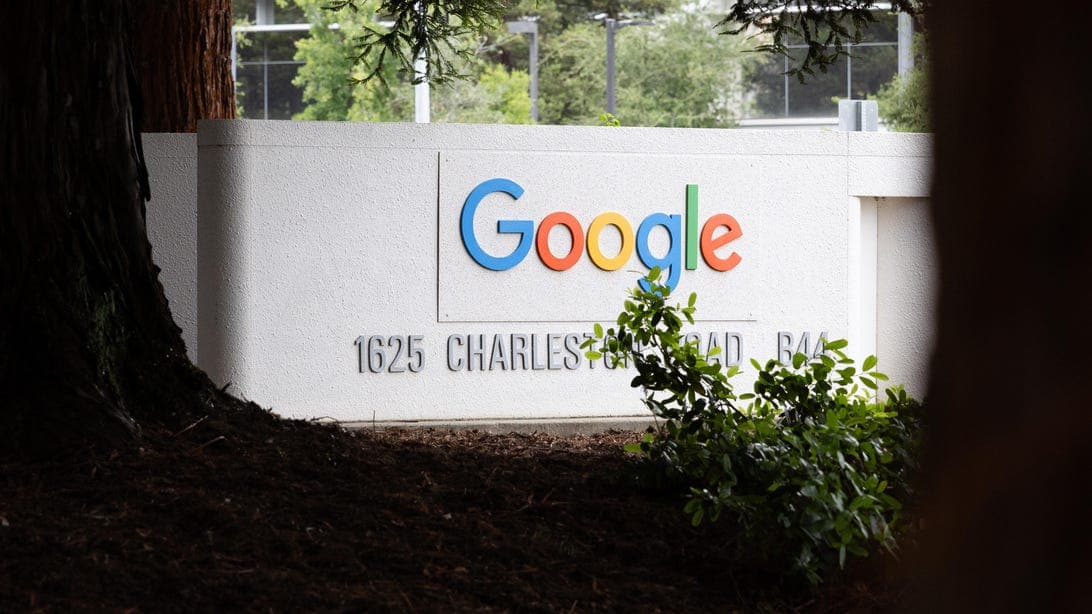
Google has agreed to pay $135 million to settle a long-running class-action lawsuit over allegations it secretly collected personal data from Android users. The settlement covers anyone who owned an Android phone and used it between 2017 and 2024.
The lawsuit claimed Google tracked user activity even when location services and browsing history were turned off. Plaintiffs argued the company violated privacy laws by collecting data for advertising without meaningful consent.
Who Can Claim and How Much
Eligible users include anyone who owned an Android phone after January 1, 2017 and did not opt out of Google's data collection practices. The payout per person depends on how many people file claims, but estimates suggest up to $100 per claimant.
Users do not need to do anything immediately. A claims administrator will send notices via email or postcards. Claimants must submit a verified claim form before the deadline, likely in early 2025.
The settlement covers data collected through Google accounts, web browsing and app usage. It does not include users who only used iPhones or non-Google devices.
Why This Matters
This settlement is the latest in a series of privacy battles facing major tech firms. For consumers, it serves as a reminder that digital tracking can persist even when privacy settings appear to block it.
The case also signals growing legal pressure on companies to be transparent about data collection. While $135 million is a significant sum, it represents a fraction of Google's annual ad revenue. Critics argue that settlements alone may not deter future violations.
For affected users, the payout offers modest compensation for years of undisclosed monitoring. More broadly, it underscores the ongoing tension between personalized services and user privacy rights.
Google did not admit wrongdoing as part of the settlement. The company stated it is pleased to resolve the matter and will continue to offer robust privacy controls.