Senior Editor: Alan Agbele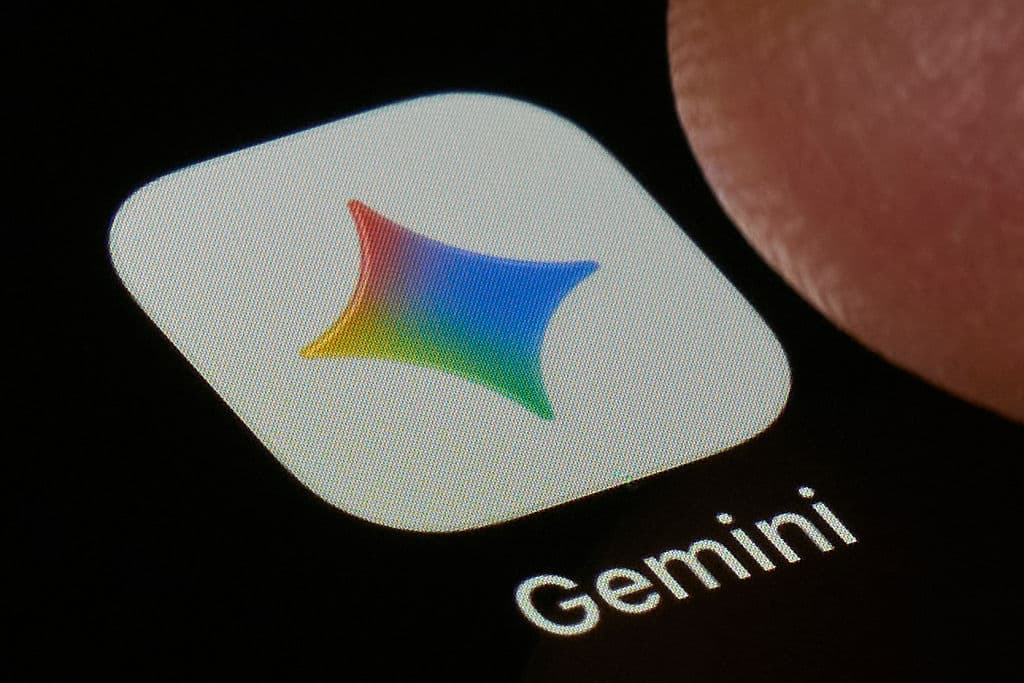
Google released Android 17 and Wear OS 7 on Wednesday, marking a significant step in weaving artificial intelligence deeper into its mobile and wearable ecosystems. The update introduces new multitasking tools, enhanced parental controls and security upgrades, alongside a Pixel Drop that expands the company's Gemini AI capabilities.
Multitasking and Parental Control Upgrades
Android 17 revamps the split-screen experience, allowing users to drag and drop content between apps more seamlessly. A new floating window mode lets apps hover over others without interrupting the main workflow. For families, Google added more granular controls under Family Link, including app time limits by category and real-time location alerts. These features aim to give parents tighter oversight while giving children more structured access.
Wear OS 7 Brings Smartwatch Improvements
Wear OS 7 arrives with redesigned watch faces that adapt to user activity patterns and a new health dashboard that consolidates metrics like heart rate, sleep stages and SpO2. Google also introduced direct messaging responses using Gemini on the wrist, letting users reply with AI-generated suggestions without opening their phone. Battery life optimization extends usage by up to 20 percent on compatible devices, according to the company.
Gemini AI Expands Across Pixel Devices
The accompanying Pixel Drop adds Gemini Nano to more Pixel phones, enabling on-device AI for tasks like call screening and photo editing. Google Assistant also gains contextual understanding powered by Gemini, allowing it to interpret follow-up questions without repeated commands. The move reflects a broader strategy to make AI a core utility rather than a separate feature.
Why This Matters
For users, these updates mean faster multitasking and smarter interactions without relying on cloud processing. Parents gain better digital guardrails, and smartwatch owners get a more autonomous experience. For Google, integrating Gemini into everyday OS functions is a direct challenge to Apple's ecosystem lock-in and Samsung's competing AI efforts. The shift also pressures developers to adapt their apps to take advantage of on-device AI capabilities, which could accelerate the adoption of intelligent features across the Android landscape.
The updates roll out starting today for Pixel devices and select Wear OS watches, with broader availability expected in the coming weeks.