Editor: Porcia Akua Holmes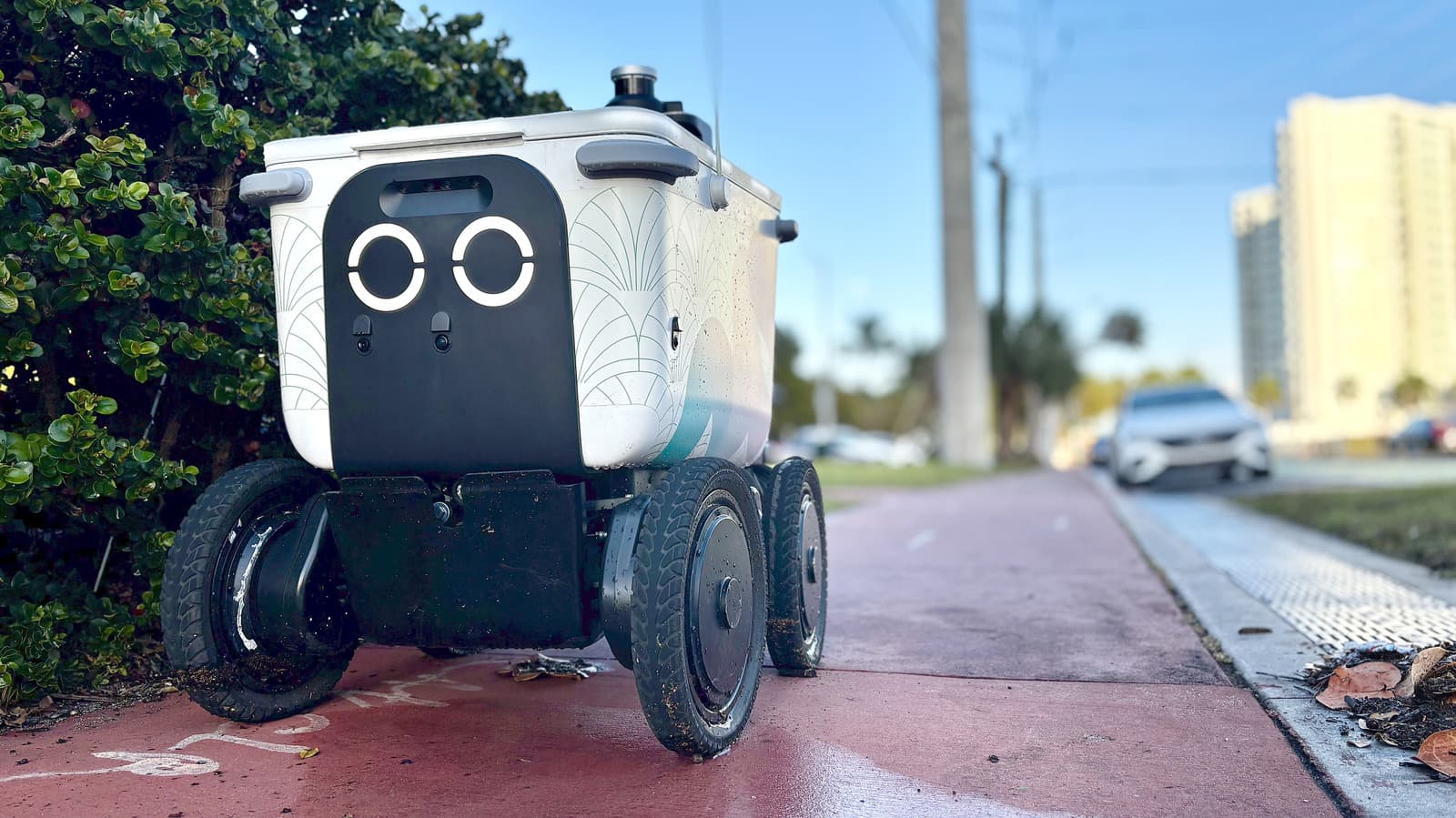
Autonomous delivery robots, once hailed as a breakthrough for last-mile logistics, continue to stumble over the most basic human traffic conventions. Pedestrians, cyclists and drivers increasingly report close calls and confusion as these machines fail to yield, signal or obey simple right-of-way rules.
The Core Problems
Observations from multiple cities reveal a pattern of repeated failures. The machines often hesitate at intersections, misinterpret hand signals from pedestrians or simply freeze in place when confronted with unexpected objects.
Why This Matters
The operational flaws are not mere annoyances. As robot deployments expand to more residential neighborhoods and dense urban cores, the safety risks scale disproportionately. Liability remains unclear: when a robot forces a cyclist into traffic, who pays? City governments, insurance firms and robot operators have yet to settle a standard legal framework. Public trust is eroding, and some municipalities have already paused pilot programs. Without a fundamental redesign of how these robots perceive and negotiate shared spaces, the promise of autonomous delivery may remain out of reach.
The Regulatory Gap
Most U.S. cities lack specific traffic codes for sidewalk robots. Existing rules designed for bicycles or pedestrians do not map cleanly onto autonomous machines. A few states, including Virginia and Ohio, have passed laws allowing robot operation at speeds up to 10 mph, but enforcement mechanisms are thin. Local officials report receiving complaints about robots blocking fire hydrants, driveways and bus stops with no clear process for ticketing or removal.
The technology companies behind the robots argue that their machines are safer than human delivery drivers, citing fewer collisions per mile. Critics counter that near misses and unreported incidents are widespread. Independent studies remain scarce, leaving regulators to rely on manufacturer data.
What Comes Next
Several cities, including San Francisco and Pittsburgh, are drafting updated ordinances that require remote operators, speed governors and standardized lighting for all delivery robots. Industry groups are pushing back, warning that overregulation could stifle innovation. The tension mirrors earlier debates around electric scooters and ride-hailing services. The outcome will likely set a precedent for how other autonomous systems, from drone deliveries to self-driving cars, are integrated into public spaces.