Editor: Porcia Akua Holmes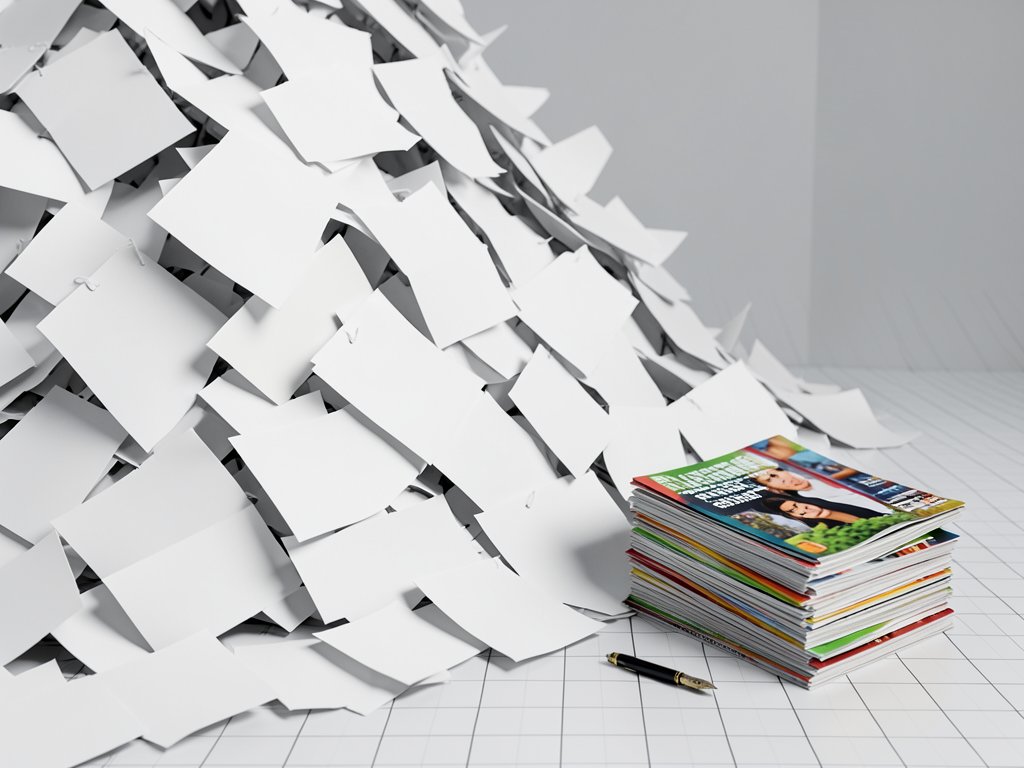
Google News has devolved into a chaotic aggregation of low-quality and algorithmically generated content, prompting critics to compare its output to the random assortment of shrimp from Forrest Gump's boat. The search giant's news product, once a trusted source for breaking headlines, now surfaces stories that prioritize volume over editorial judgment, raising alarms about the future of digital news curation.
The Algorithmic Flood
Over the past year, Google News has shifted its ranking and inclusion criteria toward content flagged as relevant by machine learning models. The change has opened the door to a wave of articles produced by automated systems, many of which repurpose text from legacy media or generate shallow summaries of trending topics. The result is a feed where real reporting competes with synthetic content, often losing the fight for visibility.
Impact on Publishers and Readers
For legitimate news organizations, the changes threaten the viability of subscription and advertising models. A journalist's work becomes harder to surface when it must compete with thousands of auto-generated knockoffs. Readers, on the other hand, face a growing burden of verification. Trust in Google News as a reliable starting point for current events has eroded, with many users reporting that the platform now requires active filtering to find credible sources.
Google has defended its approach, stating that algorithm updates aim to increase breadth of coverage and reduce reliance on a small set of established outlets. Critics, however, argue the system lacks the nuance to distinguish between substantive journalism and mere content churn. The Forrest Gump analogy captures the sense of randomness: like the movie character's shrimp boat hauling in whatever the nets catch, Google News now presents a mixed bag where quality is incidental.
Why This Matters
The erosion of curation standards at Google News affects every reader who depends on the platform for a daily briefing. As AI-generated content proliferates, the line between reporting and fabrication blurs. This shift may accelerate the decline of traditional news consumption, pushing users toward alternative sources or creating a more fragmented information environment. Publishers that cannot adapt risk being buried, while readers lose access to the verified journalism that underpins informed public debate. The outcome will shape how news is discovered and consumed for years to come.