Editor: Porcia Akua Holmes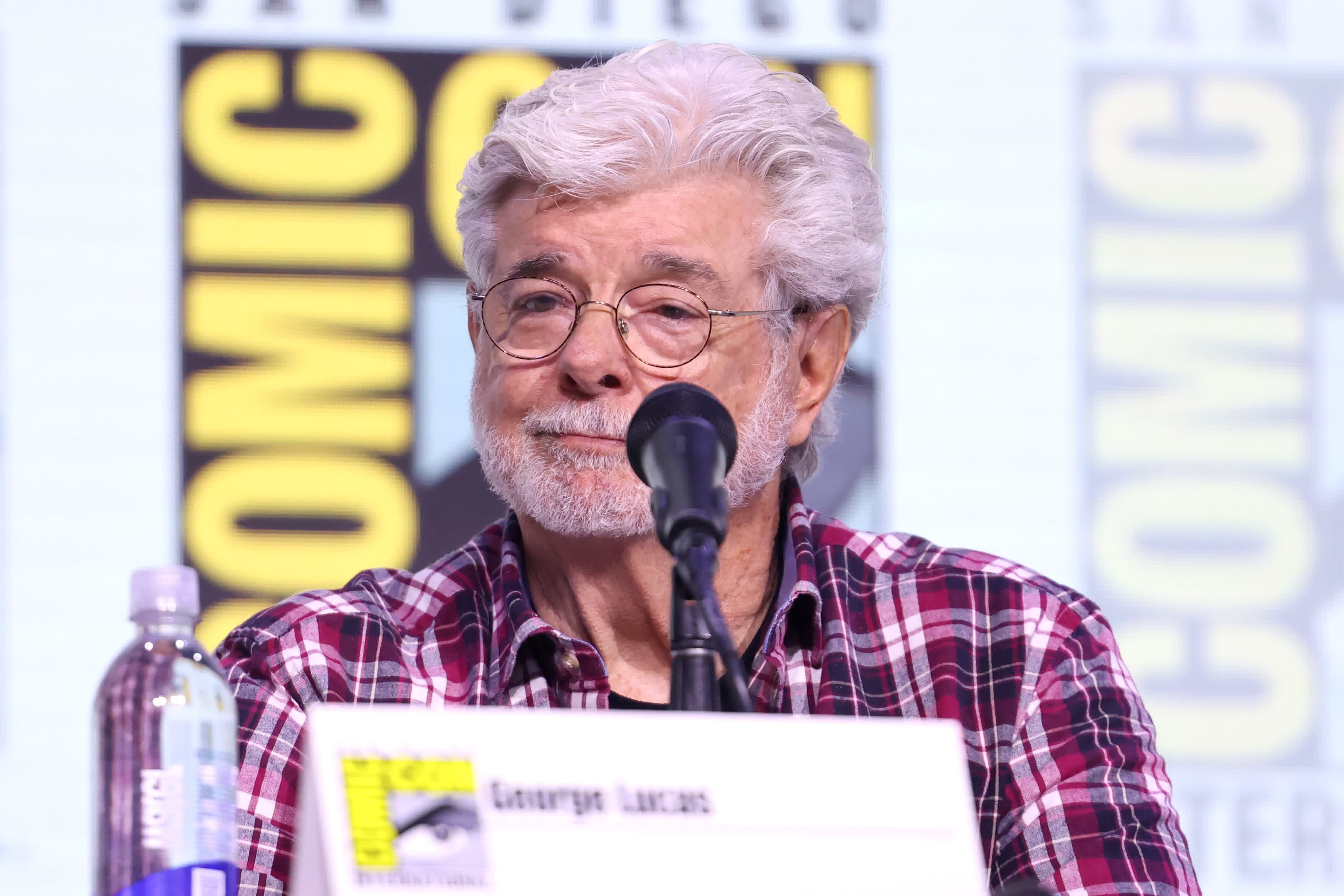
Filmmaker George Lucas sees artificial intelligence as the next inevitable tool for storytelling, comparing those who resist it to people who chose horse-drawn carriages over automobiles. In an interview with A Rabbit's Foot promoting the Lucas Museum of Narrative Art, Lucas argued that rejecting AI is not a principled stand but a refusal to embrace progress.
Lucas and the History of Technological Resistance
Lucas drew a direct parallel between current AI rejection and past pushback against motion picture technology. He recalled how critics once decried the shift from silent films to talkies and from practical effects to computer-generated imagery. In each case, the industry adapted and storytelling expanded.
“It’s like saying ‘I’m going to take a horse and buggy instead of a car,’” Lucas said. The Lucas Museum of Narrative Art, set to open in Los Angeles, will explore how narrative forms evolve with technology. Lucas sees the museum as a place to examine these transitions rather than resist them.
The Current AI Debate in Hollywood
Lucas’s comments arrive amid intense debate over generative AI in film and television. Writers and actors have raised concerns about job displacement and copyright. Studios, however, are investing heavily in AI tools for script analysis, visual effects and even character generation.
Lucas acknowledged these fears but argued that artists must learn to use the new tools or be left behind. He pointed to his own career, where he embraced early digital cameras and non-linear editing when many peers avoided them.
Why This Matters
The debate over AI in narrative art is not just a technical argument. It defines who controls the tools of storytelling and how creativity is valued. Lucas’s endorsement carries weight because he transformed filmmaking twice: first with Star Wars effects and then with the prequel trilogy’s all-digital production. If he sees AI as a creative partner, studios and independent creators may feel emboldened to adopt it faster. The risk is that traditional craftspeople lose leverage in negotiations over AI’s role. The Lucas Museum’s mission to preserve and explain narrative art becomes even more urgent as the definition of “author” shifts toward human-machine collaboration.
Looking Ahead
The Lucas Museum will not open until 2026, but its message is already clear: narrative art must evolve or risk irrelevance. Lucas himself remains focused on education and exhibition rather than new films. His view on AI may influence how the next generation of filmmakers approach the technology, not as a threat but as an inevitable part of the storyteller’s toolkit.