Senior Editor: Alan Agbele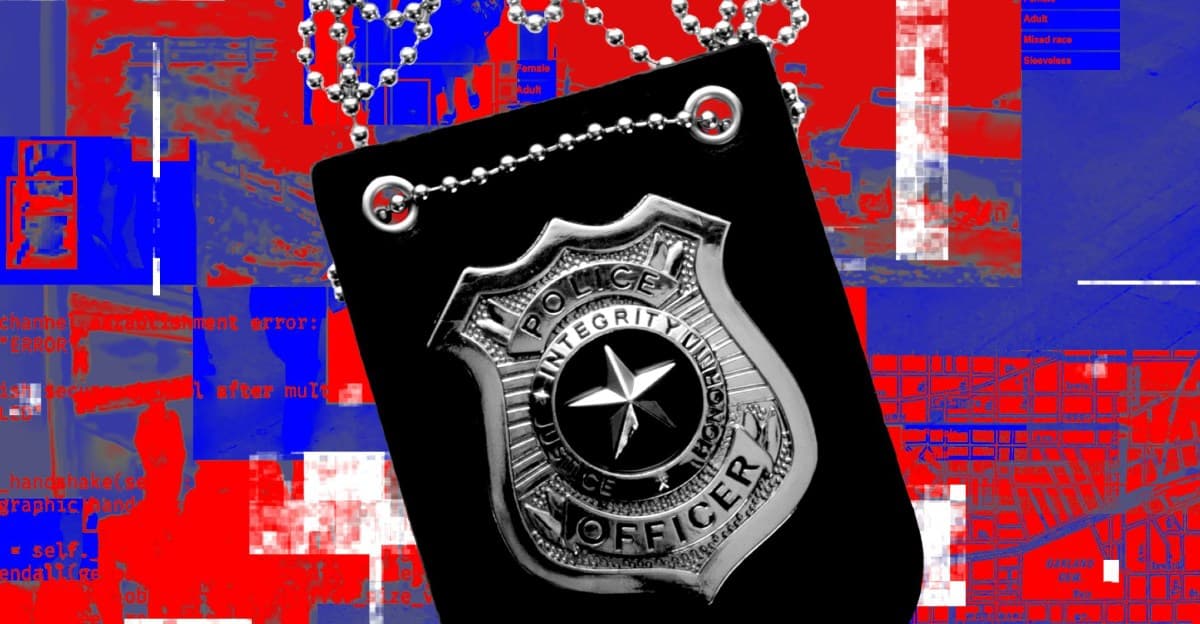
A new wave of AI-powered tools is quietly transforming the American police force, automating the very legal processes that determine whether a suspect is charged or released. The market for these systems, displayed at the recent International Association of Chiefs of Police Technology Conference in Fort Worth, Texas, is growing rapidly, but the implications for civil rights and due process are only beginning to surface.
AI Tools on Display
At the conference vendors showcased a range of AI products aimed at law enforcement. The promises were clear: reduce paperwork, speed up investigations and cut costs. But the reality is more complex. Inside the event attendees described systems that draft police reports, analyze body camera footage and generate suspect descriptions from surveillance feeds.
These tools, some critics have dubbed Computer Cops, represent a fusion of algorithmic decision-making with traditional law enforcement. The term captures the shift toward machines playing a larger role in policing.
The Legal Stakes
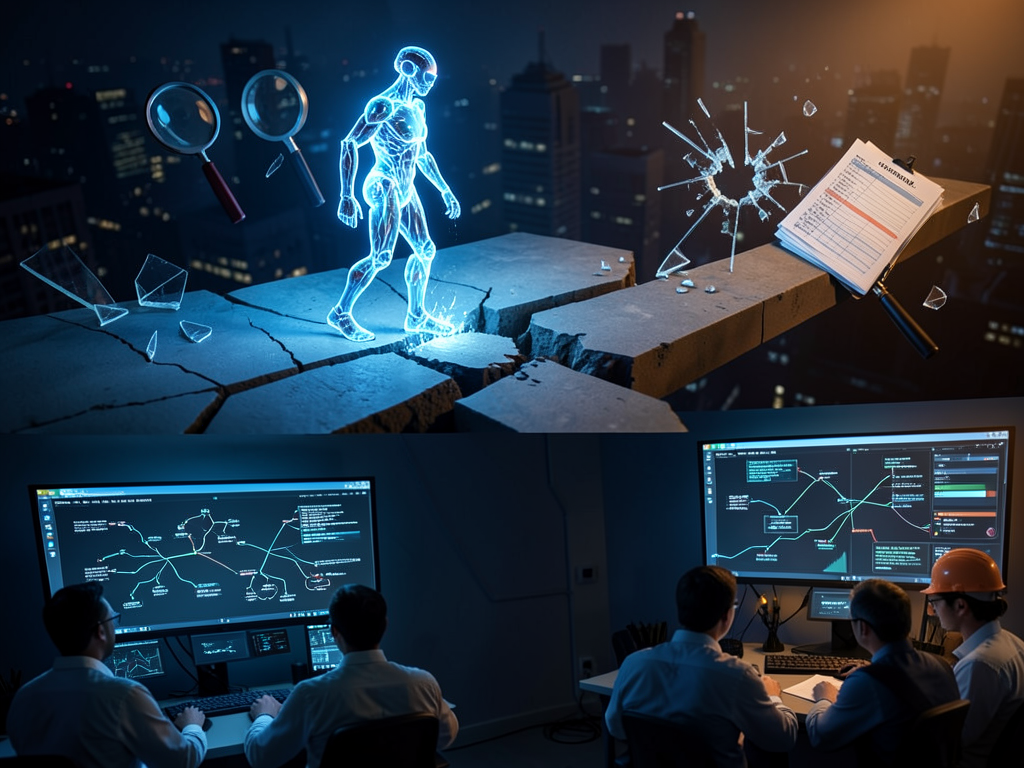
Automating legal processes raises serious concerns. When a machine drafts a probable cause affidavit, errors or biases can go unchecked. Courts have long relied on officer testimony and judgment. Introducing AI-generated evidence could challenge the foundation of criminal procedure. Police departments, under pressure to improve efficiency, are adopting these tools quickly. The IACP conference, a major industry gathering, served as a marketplace for this technology.
Why This Matters
For the public, the stakes are high. If AI systems become embedded in routine policing, the potential for wrongful arrests, biased surveillance and diminished accountability grows. The companies selling these tools face little regulation. The federal government has not set clear standards. Police departments, meanwhile, may lack the expertise to evaluate the algorithms they buy. The result is a quiet transformation of American law enforcement, one that could reshape how justice is delivered for years to come. The Computer Cops era is already here. The question is whether society will set the rules before the machines do.