Senior Editor: Alan Agbele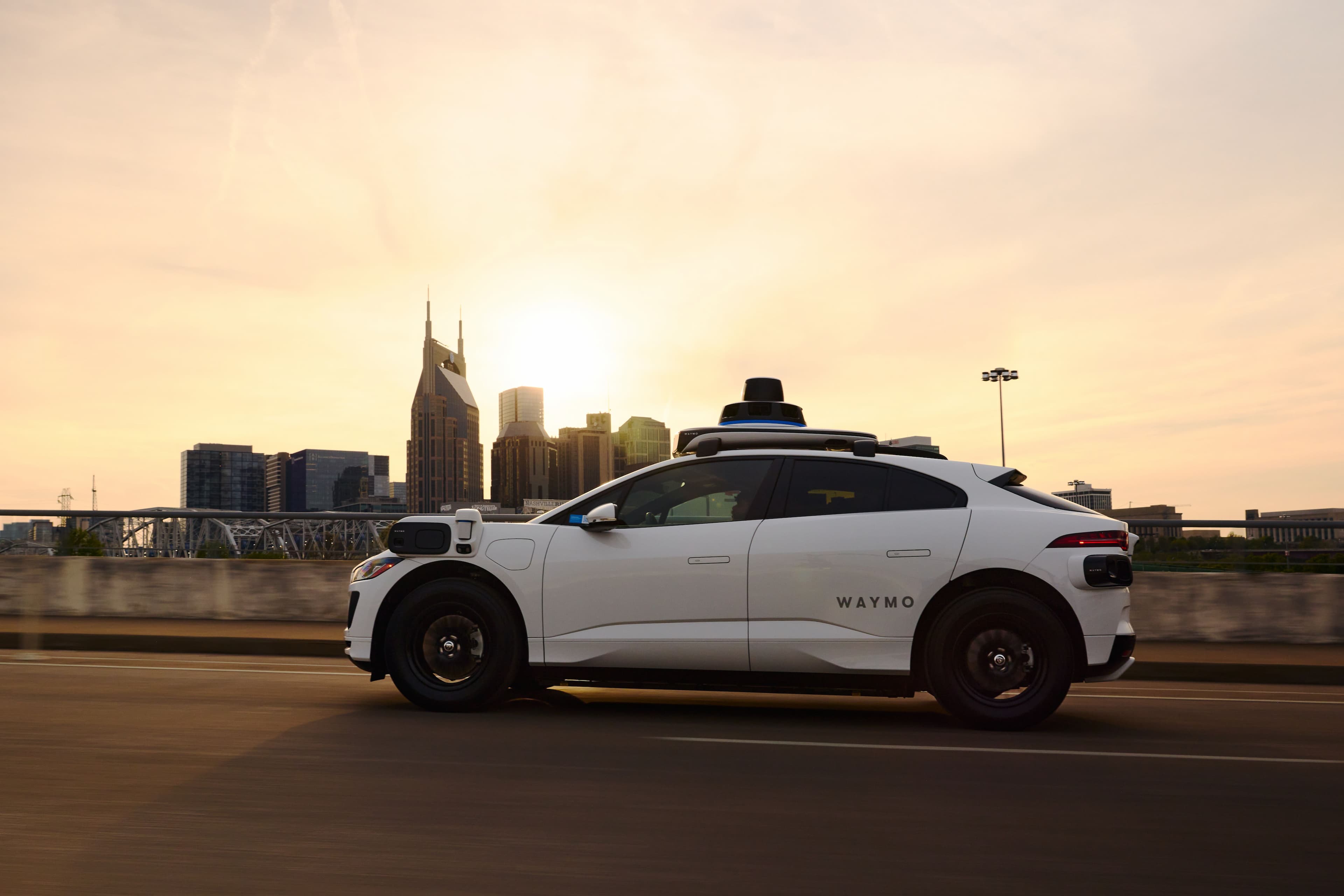
Lyft is redefining the role of its drivers in an era of self-driving cars. The ride-hailing company has partnered with Waymo in Nashville to train former drivers as maintenance technicians for autonomous vehicle fleets. The move marks a strategic pivot from human-driven rides to servicing the machines that are expected to replace them.
From Ride-Hailing to Fleet Operations
The partnership gives former Lyft drivers new responsibilities. Instead of picking up passengers, they now clean, inspect, and troubleshoot Waymo's self-driving cars. Lyft provides the training and the workers, while Waymo supplies the technology and vehicles. The pilot operates out of a dedicated facility in Nashville, where technicians monitor vehicle performance and handle routine maintenance.
Drivers, however, are not simply swapping one job for another. The work requires technical skills that differ from traditional ride-hailing. Employees learn to manage sensor arrays, update software, and diagnose hardware issues specific to autonomous systems.
A Blueprint for the Autonomous Economy
The Lyft Waymo partnership represents more than a single program. It anticipates a broader industry shift where autonomous fleets require human oversight for maintenance, logistics, and remote operations. As companies like Waymo, Cruise and Tesla expand driverless services, the demand for technicians who can service these vehicles will grow.
Lyft's approach also addresses a central criticism of automation: job displacement. By retraining drivers instead of simply replacing them, the company positions itself as a responsible player in the transition. The model may influence how other gig economy platforms handle similar disruptions.
Why This Matters
This shift directly affects the millions of workers in ride-hailing and delivery services. As autonomous fleets scale, traditional driving jobs will shrink but new roles in fleet management and maintenance will appear. The Lyft Waymo program provides a real-world case study of that transition. For policymakers, it offers a template for workforce retraining programs tied to automation. For workers, it signals that staying employed in the age of self-driving cars may require acquiring technical skills. The success or failure of this Nashville pilot could shape how other cities and companies manage the human side of the autonomous vehicle revolution.
What This Means for Workers
For drivers, retraining offers a path forward but also raises questions. The new roles may pay differently and demand different schedules. Lyft and Waymo will need to scale the program beyond Nashville if it proves successful. The ultimate test is whether these technician jobs can absorb the number of drivers displaced by autonomous technology.
Lyft and Waymo have not disclosed long-term hiring targets. The Nashville pilot, however, shows that the future of driving may no longer involve driving at all.