Senior Editor: Alan Agbele
Four former employees of the Savannah Police Department were arrested last week on charges related to unauthorized access to Flock Safety's automated license plate recognition system. The Georgia Bureau of Investigation said the three former officers and one former civilian staff member used the system for personal reasons rather than legitimate law enforcement purposes.
Allegations and Arrests
The Georgia Bureau of Investigation announced the arrests of three former Savannah Police officers and one former civilian staff member following a months-long probe. The investigation began after internal audits revealed unusual queries on the Flock Safety system that were unrelated to any criminal investigation. The four individuals are accused of accessing license plate data for personal reasons, including tracking vehicles belonging to acquaintances.
Each former employee faces charges related to computer trespass and violations of the Georgia Computer Systems Protection Act. The case marks one of the first instances of former law enforcement personnel facing criminal liability for misuse of license plate reader technology after leaving the force.
System Access and Oversight Concerns
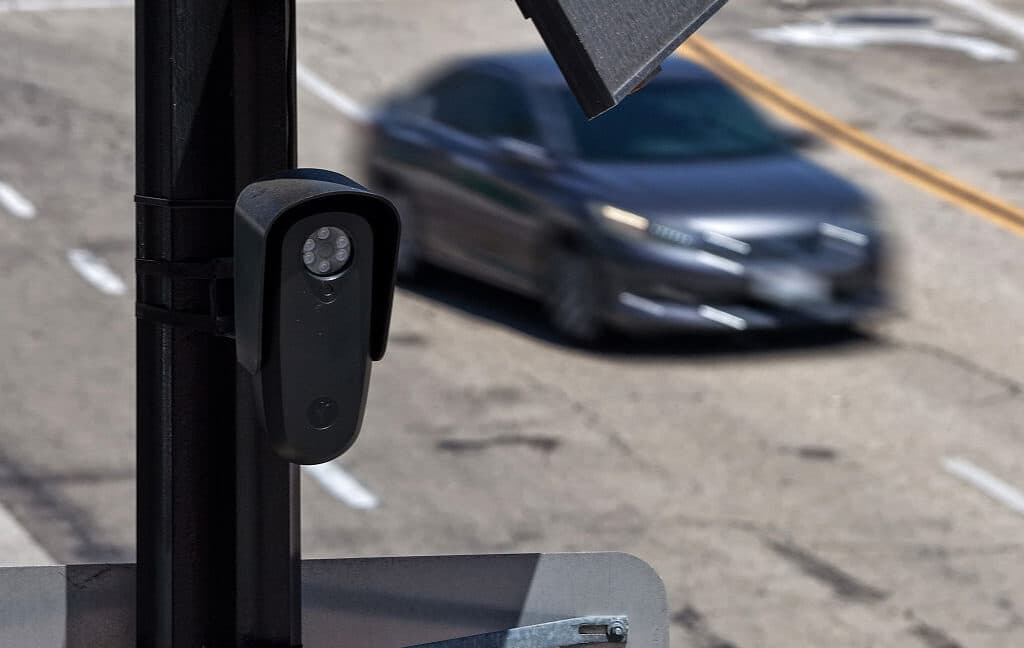
Flock Safety operates a network of cameras that capture license plate images and store them in a searchable database. Law enforcement agencies subscribe to the service, which is designed to aid investigations by providing time-stamped location data on vehicles. Access controls and audit logs are standard features, but this incident suggests those safeguards can be insufficient when employees exploit their credentials.
Key questions raised by the case include:
Savannah Police Department officials said they have since tightened access policies and are conducting a full review of all past queries. The department also stated that cooperation with the Georgia Bureau of Investigation led to the swift identification of the alleged misconduct.
Why This Matters
This case has implications for public trust in law enforcement surveillance programs. When police employees use license plate data for personal reasons, it undermines the legitimacy of these systems and invites stricter regulation. Citizens whose location history was accessed without a valid law enforcement purpose may have legal recourse, and the arrests could prompt legislatures to mandate stronger oversight requirements for Flock Safety and similar ALPR services.
The incident also serves as a cautionary tale for other agencies that deploy Flock's technology. Without robust auditing and immediate revocation of credentials upon employment termination, similar misuse may go undetected. As more departments adopt automated license plate readers, the balance between investigative utility and individual privacy will remain a central policy challenge.