Senior Editor: Alan Agbele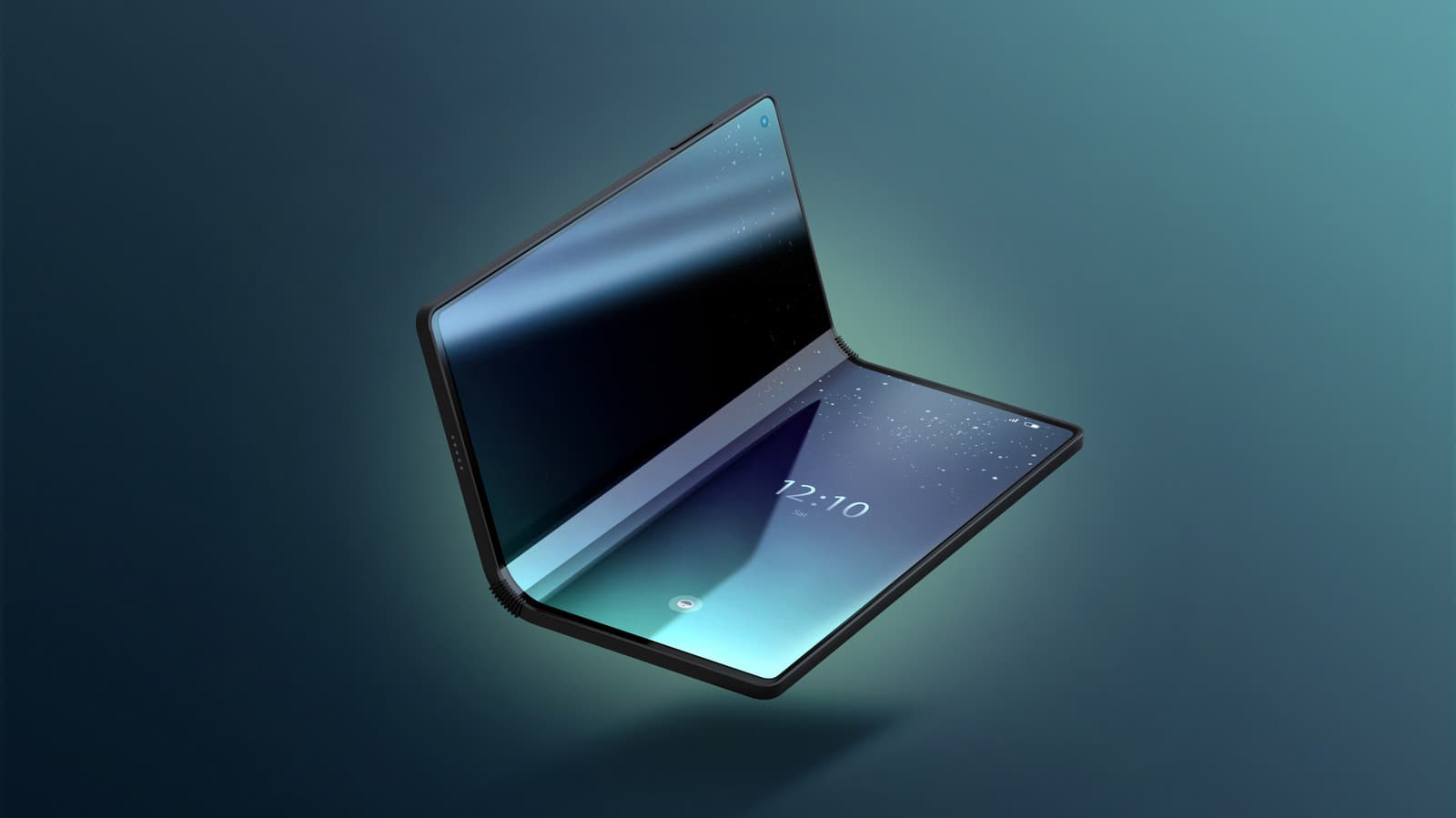
Foldable phones have moved past the experimental phase and now offer capabilities that traditional smartphones cannot match. The expanding screen size and hinge mechanism open up distinct use cases, from advanced multitasking to hands-free video calls, making these devices increasingly attractive to power users.
The Defining Features of Foldable Devices
The foldable form factor enables several hardware and software innovations that are not available on traditional smartphones. Flex Mode allows the device to stand partially open for hands-free photography or video calls. Multi-window multitasking lets users run three or more apps simultaneously on the same screen, turning the device into a portable workstation. The cover screen, often a full-featured display, enables quick interactions without unfolding the device.
These features are not simple gimmicks. They represent a shift in how people use mobile devices, particularly for those who need a larger canvas without carrying a separate tablet.
Why This Matters
The exclusive capabilities of foldable phones have tangible implications for both users and the broader smartphone market. For consumers, these devices eliminate the need to own both a phone and a tablet, reducing device clutter and streamlining workflows. Professionals who edit documents, review spreadsheets or participate in video conferences on the go gain significant efficiency from the expanded screen and multitasking tools. For manufacturers, foldables represent a premium segment that commands higher average selling prices and drives innovation in display and hinge technology. As competition intensifies, prices are gradually falling, making these devices more accessible to mainstream buyers. The growing adoption of foldable phones signals a long-term shift in smartphone design, one that prioritizes versatility over raw specifications.
Market Trends and Consumer Adoption
Sales of foldable phones have increased steadily year over year, with major players like Samsung, Google and OnePlus expanding their foldable lineups. Industry analysts project the segment will capture a meaningful share of the premium smartphone market within the next few years. Factors driving adoption include improved durability, better software optimization and a wider range of price points. Features unique to foldables, such as app continuity when switching between screens and the ability to use the rear camera for selfies via the cover display, are becoming deciding factors for upgrade decisions. While initial concerns about hinge reliability and screen creases have largely been addressed through engineering advances, the higher cost remains the main barrier to mass adoption.