Editor: Porcia Akua Holmes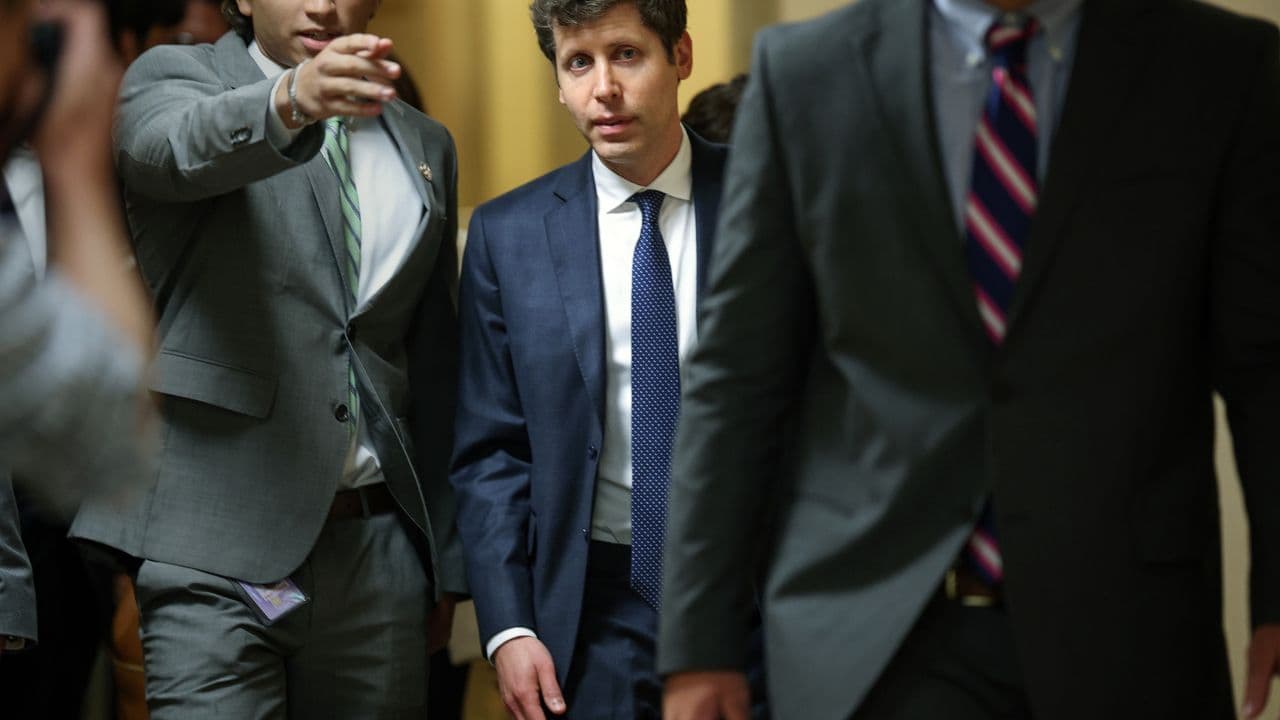
Florida has asked a federal judge to declare ChatGPT a public nuisance, escalating a legal clash that pits state consumer protection law against OpenAI's bid for federal jurisdiction. The state filed an 83-page complaint in June naming Sam Altman personally and demanding a jury trial. OpenAI moved the case to federal court in July, arguing that one count based on the Children's Online Privacy Protection Act, or COPPA, requires a federal forum. The case has been pending before U.S. District Judge Aileen Cannon for seven weeks without a ruling on jurisdiction.
The Core Legal Fight
Florida's complaint includes ten counts, all pleading only state law. Count IV alleges that OpenAI violates the Florida Deceptive and Unfair Trade Practices Act by collecting data from children under 13 without parental consent as required by COPPA. Paragraph 30 of the complaint expressly disclaims any federal cause of action. OpenAI's opposition to remand argues that the count arises under federal law anyway, calling the application of COPPA to artificial intelligence research services a novel question of federal law. The company cites 15 U.S.C. §6504, which makes federal court the exclusive forum for state attorneys general enforcing COPPA.
Florida moved to remand the case in July, calling the removal 'preposterous.' The state's motion asks for fees, arguing OpenAI removed for one reason: delay. In a similar matter, New Mexico kept its state-law case against Meta out of federal court and this month won a $567 million public-nuisance abatement order on top of a $375 million jury penalty. OpenAI's brief cites three cases in which states sued platforms under state law and federal judges sent them back, including New Mexico v. Meta, California v. TikTok and New Jersey v. Discord. OpenAI cites them only to show the judges declined to award fees because removal was not objectively unreasonable.
Key Allegations Against OpenAI
The complaint alleges several specific practices by OpenAI that Florida says harm consumers, particularly minors. The state claims ChatGPT's memory feature was on by default and the free tier has no age gate. It also asserts that the September 2025 parental controls require a voluntary account link, and that GPT-4o's safety evaluation was compressed to one week to beat a Google launch. The state seeks a permanent injunction on under-13 data collection and a finding that distributing ChatGPT in Florida is a public nuisance, with civil penalties of up to $10,000 per willful violation. New Mexico's jury found 75,000 violations against Meta, suggesting a similar scale could apply here.
Altman's personal liability is also at issue. A footnote in every federal filing states that Altman is not making a general appearance and reserves a personal-jurisdiction defense. That defense sets up a motion to dismiss the CEO individually, no matter which court hears the case. The complaint against Altman relies on records including Greg Brockman's diary and testimony about a 'toxic culture of lying.'
Why This Matters
This case could set a precedent for how states regulate AI systems under public nuisance law, a strategy that has gained traction against social media platforms. If Florida succeeds in keeping the case in state court and wins a public nuisance ruling, other states may follow suit, creating a patchwork of state regulations that could reshape AI deployment nationwide. The outcome also affects OpenAI's liability for its CEO's personal actions, a rare attempt to hold an AI executive individually responsible for product-level harms. For consumers, the case raises questions about how AI companies protect children's data and whether existing privacy laws like COPPA apply to generative AI services. The federal versus state jurisdiction battle itself matters: a federal ruling could centralize AI regulation, while a state victory could encourage more aggressive state enforcement.