Senior Editor: Alan Agbele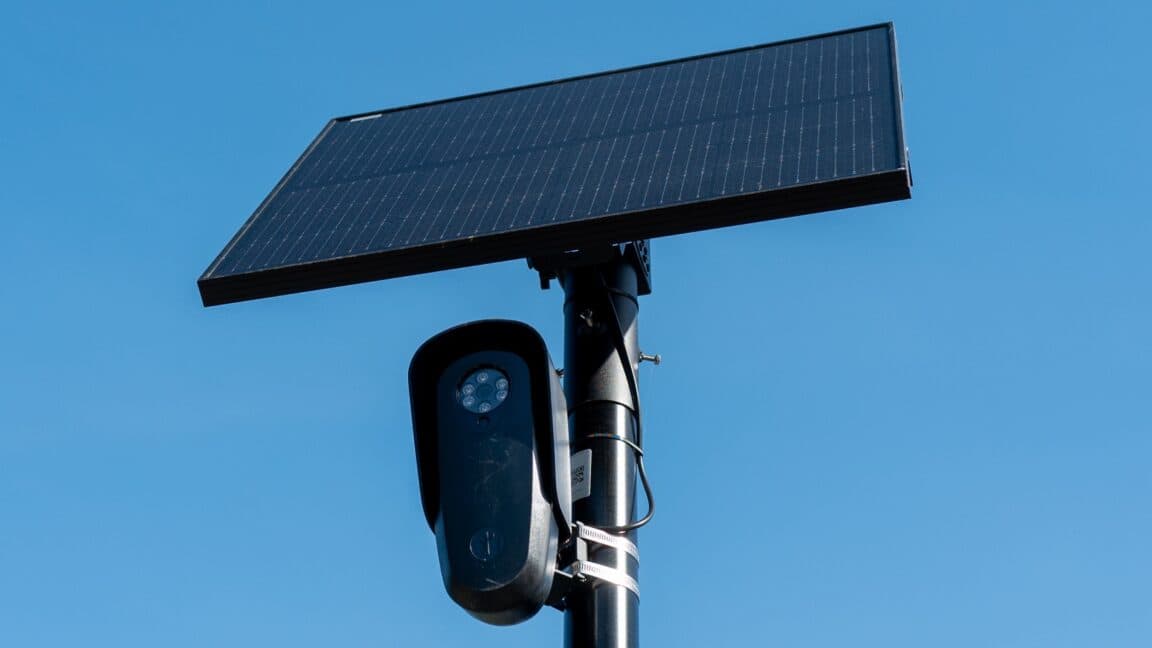
The Federal Bureau of Investigation is moving to acquire real-time access to license plate reader data from cameras across the United States, a surveillance expansion that raises significant privacy concerns. The agency published a request for proposals May 14 seeking one or more vendors that can provide near real-time information from a network of license plate readers covering at least 75 percent of locations nationwide.
Nationwide Surveillance Contract
The contract is intended for the FBI Directorate of Intelligence. The RFP states that the bureau needs license plate readers for tracking subjects on roads and highways over the US and its territories.
The winning bidder must provide data from an existing platform that combines commercial and law enforcement sources. The system must allow searches by license plate number, vehicle description, time and date criteria, and geographic location. It must also send search result notifications to users.
The FBI said the system must have the ability to access and query cameras across the country and provide data in near real time. The RFP does not specify a warrant requirement or any legal standard for accessing the data, leaving privacy advocates concerned that the system could enable mass surveillance of drivers without judicial oversight.
Why This Matters
This procurement would give the FBI direct access to a vast network of automated license plate readers that already capture millions of vehicle movements daily. Unlike traditional police surveillance, license plate cameras operate continuously and can track a vehicle's location history over weeks or months. Privacy experts warn that the program could erode Fourth Amendment protections against unreasonable searches, particularly if the data is shared across agencies without clear limits.
The move follows similar efforts by other federal and local law enforcement agencies to expand access to license plate reader data. Commercial providers such as Flock Safety and Vigilant Solutions already sell access to their camera networks to police departments. The FBI's plan would centralize that access at the federal level, potentially creating a de facto national vehicle tracking database.
Growing License Plate Data Market
The license plate reader market has grown rapidly as camera technology has become cheaper and cloud storage has expanded. Private companies install cameras on residential streets, in commercial parking lots, and along highways, then sell subscriptions to law enforcement. Critics argue that the lack of consistent privacy regulations allows companies to collect and share location data with minimal transparency.
The FBI's RFP does not disclose how long the contract will last or how much it will spend. It invites vendors to submit proposals that meet the bureau's requirement for near real-time data across at least 75 percent of US locations. The agency expects to award one or more contracts later this year.