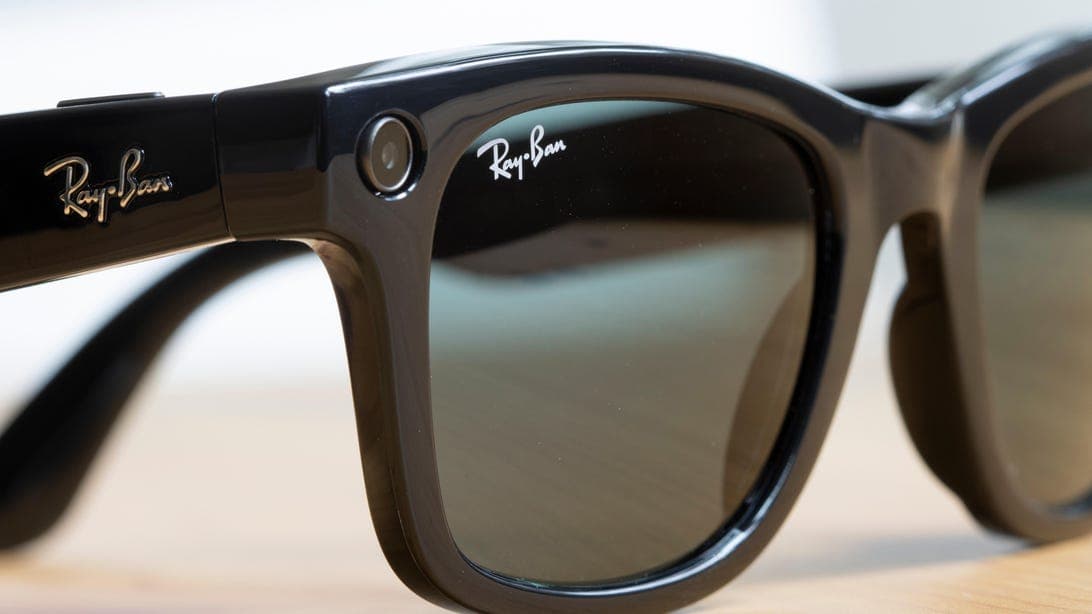
Hidden code inside Meta's smart glasses reveals the ability to track faces using facial recognition technology. The feature has not been activated, but privacy experts are already raising alarms.
Code Discovery Sparks Concern
Security researchers analyzing the software powering Meta's Ray-Ban smart glasses found references to a feature called faceprint. The code describes the ability to identify individuals by scanning their facial features in real time.
Meta has not enabled the feature. The company told reporters that faceprint tracking is not active and that it would require user consent before any rollout. But critics say the mere existence of the code shows the company is building surveillance capabilities into a wearable device.
Privacy Implications of Wearable Face Recognition
Smart glasses pose unique privacy risks. Unlike a phone camera that people see raised, a camera in glasses can record faces without anyone noticing. Faceprint tracking would allow Meta to link a person's identity to their face, creating a searchable database of individuals.
Civil liberties groups argue this undermines public anonymity. In some regions, such as Illinois and Texas, biometric data collection without explicit permission is illegal. If Meta activates faceprint tracking, it could face legal challenges across multiple states.
Why This Matters
Wearable cameras are becoming more common. Meta sells these glasses as a fashion accessory and hands-free assistant. But the addition of facial recognition could turn them into a mass surveillance tool.
Anyone who wears these glasses in public could be unwittingly collecting biometric data on strangers. Regulators are still catching up to the technology. Without new laws, companies like Meta could decide unilaterally to activate faceprint tracking, leaving consumers with no recourse.
The finding also exposes a broader trend. Tech companies often build capabilities first and ask for permission later. This code discovery gives the public and policymakers a window into what Meta is preparing, before it is too late to stop it.