Senior Editor: Alan Agbele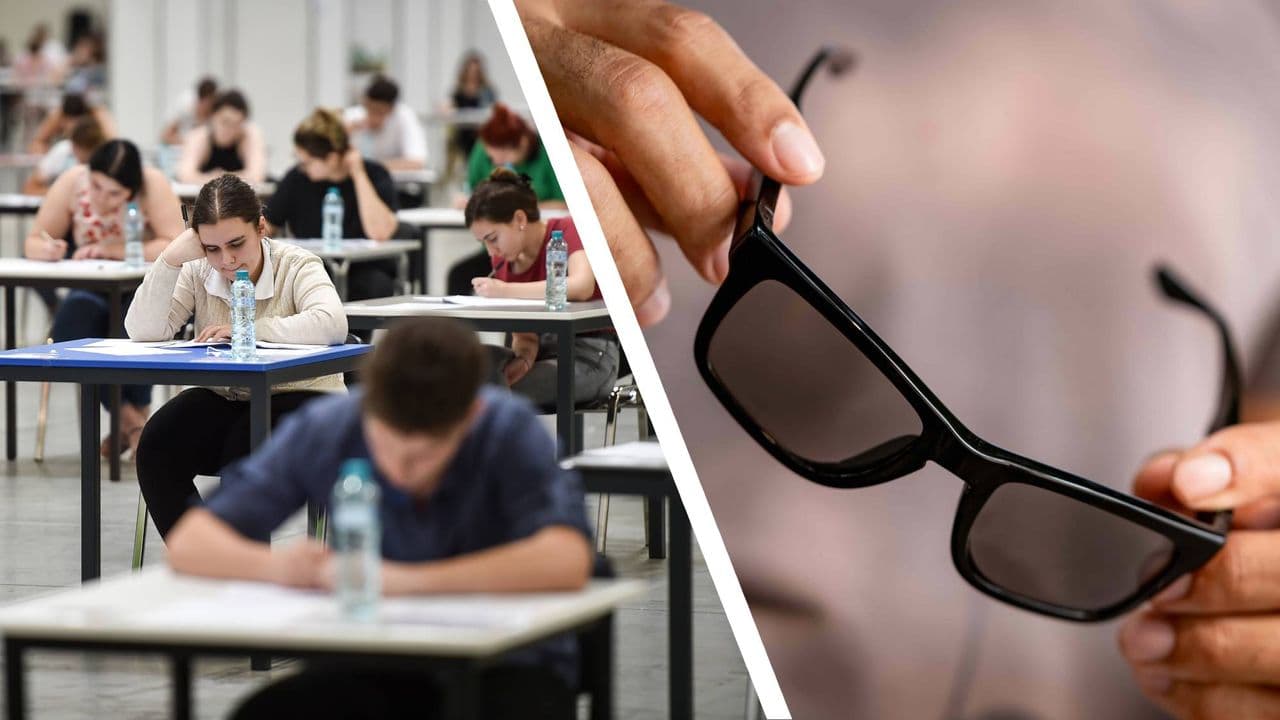
British officials are raising alarms about a new wave of exam cheating powered by everyday consumer gadgets. Smart glasses, hidden earpieces and other connected devices are giving students an edge in tests. The government warns that in the worst cases, offenders could lose their entire A-level grades.
How Technology Is Enabling Cheating
Students are using miniaturized cameras embedded in glasses frames to capture exam papers. Tiny earpieces, some no larger than a pea, receive answers from outside accomplices. Other gadgets include smartwatches that display notes and modified calculators with wireless capabilities.
These devices are increasingly hard to detect. Many look identical to normal eyewear or standard accessories. Schools rely on metal detectors and visual checks but these tools often miss the most discreet gadgets.
The United Kingdom is not alone in facing this problem. Similar cheating scandals have emerged in India, China and the United States. The global spread of affordable smart hardware is fueling a new arms race between invigilators and cheaters.
Why This Matters
For students who try to cheat honestly, the stakes are extreme. A single caught violation can invalidate all A-level grades, blocking university admissions and career paths. For the broader education system, the erosion of exam integrity undermines the value of qualifications. Employers and universities may lose trust in grades, causing ripple effects across hiring and admissions.
The economic cost is also real. Exam boards invest millions in detection technology and training. Schools divert resources from teaching to surveillance. These costs ultimately fall on taxpayers and tuition payers.
What Schools and Governments Are Doing
The UK government is reviewing exam security protocols. Proposed measures include signal jammers in exam halls, AI tools that analyze suspicious eye movements, and stricter rules on allowed items. Some schools are switching to paper-based exams to block digital cheating.
But technology evolves faster than policy. Smart glasses now come in prescription lenses. Hidden earpieces are nearly invisible. Regulators face a continuous challenge to keep detection methods ahead of the latest gadgets.
The issue raises broader questions about fairness. Students without access to these devices compete at a disadvantage. The divide between those who can afford high-tech cheating and those who cannot may widen existing inequalities in education.