Senior Editor: Alan Agbele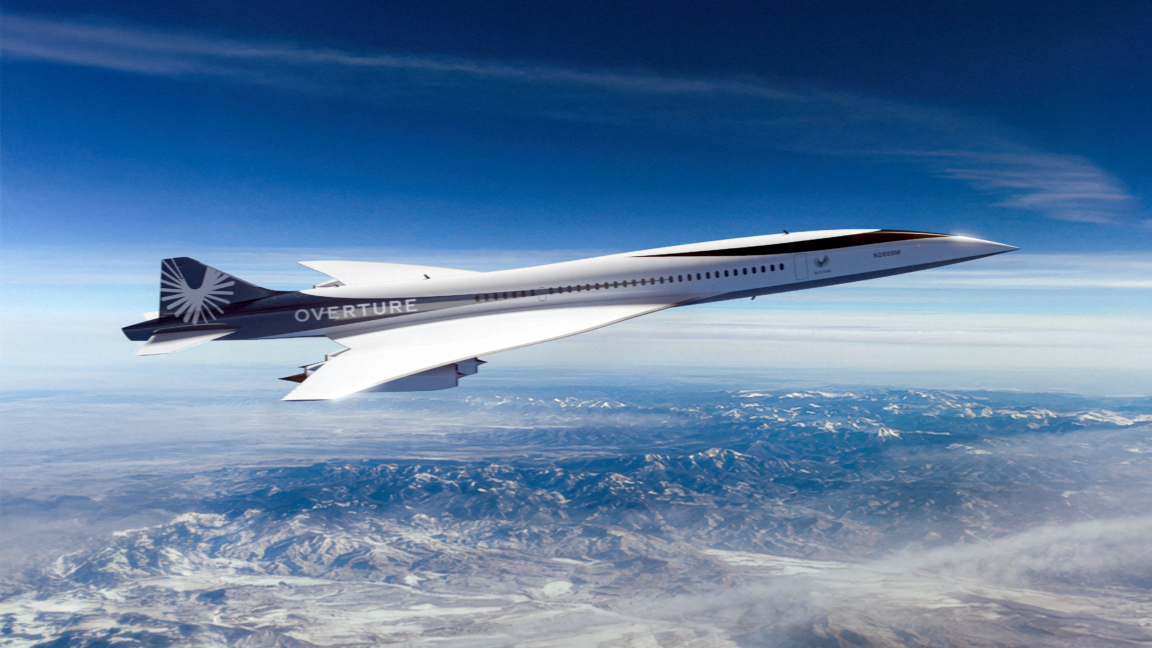
The Federal Aviation Administration has proposed ending a 53-year ban on commercial supersonic flights over the United States, replacing it with a noise-based certification standard. The rule, announced on June 30, 2026, would allow supersonic airliners to fly over land if they can keep sonic booms below 0.11 pounds per square foot at ground level.
The 1973 Ban and Its Origins
The original prohibition came after US military tests in the 1960s subjected cities like Oklahoma City, Chicago and St. Louis to repeated sonic booms. Public outcry led the FAA to ban all civil supersonic flights over land in 1973. That restriction effectively grounded commercial supersonic travel over the continental US for more than five decades, limiting routes to oceanic corridors.
The New Noise-Based Standard
The proposed rule replaces the blanket ban with an interim certification threshold. Any sonic boom overpressure at the surface must stay below 0.11 pounds per square foot. The FAA derived this limit from data collected during Boom Supersonic's XB-1 test flights, which demonstrated quiet Mach cutoff operations. By flying at higher altitudes under specific atmospheric conditions, the aircraft's shockwaves bend upward instead of reaching the ground.
Industry Implications
The rule follows an executive order issued by President Trump in June 2025 directing the FAA to facilitate supersonic flight. Boom Supersonic, a Colorado-based startup, stands to benefit directly from the change. Its XB-1 demonstrator has already validated the Mach cutoff technique, and the company plans to develop a larger commercial airliner called Overture. Other manufacturers, including Spike Aerospace and Aerion, may also pursue overland supersonic routes under the new framework.
Why This Matters
This regulatory shift could reshape domestic air travel by cutting flight times in half on routes like New York to Los Angeles. Passengers would gain hours of productivity, but airlines face steep costs in developing compliant aircraft. Communities near airports, however, may still oppose supersonic operations if even reduced noise levels prove disruptive. The FAA's move signals a willingness to embrace advanced aviation technology, but the ultimate success depends on whether manufacturers can consistently meet the noise standard in real-world conditions.