Senior Editor: Alan Agbele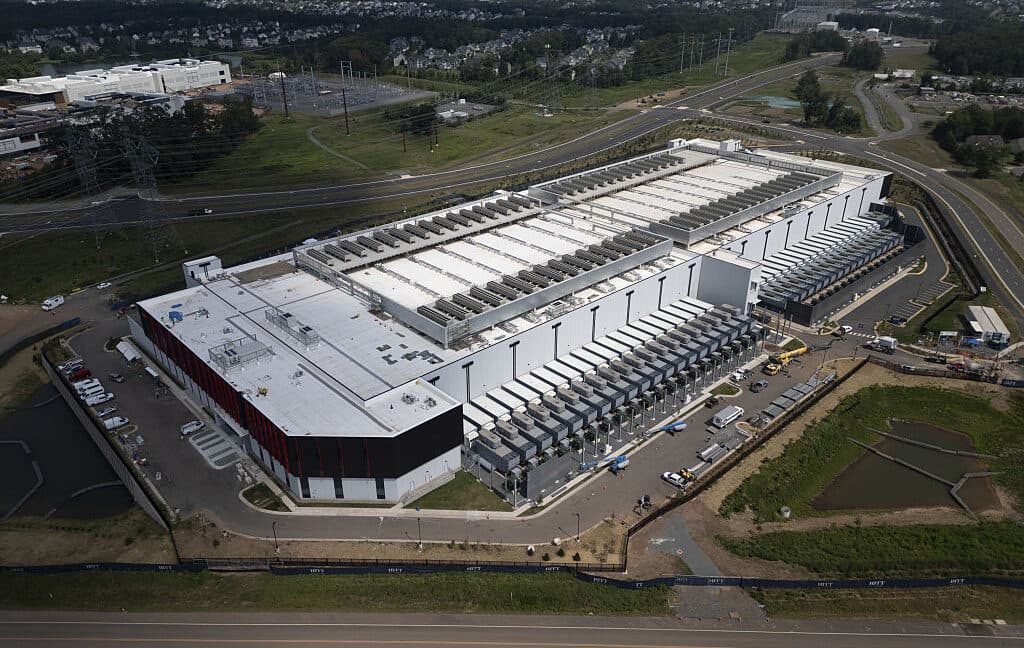
Seven out of 10 Americans oppose data center development in their area, with water scarcity ranking as the top resource concern, according to a recent Gallup poll. The finding underscores a growing challenge for an industry that depends heavily on fresh water for cooling.
Data centers generate massive heat from server racks. To keep temperatures in check, many operators use evaporative cooling. This process draws fresh water to absorb heat, then releases it as steam from cooling towers.
SpaceX recently amended its initial public offering to note that water conditions could constrain data center development. The company cited water scarcity, regulations and drought as potential risks. SpaceX is not alone. Other tech firms are now reassessing how water availability might affect their expansion plans.
Water Scarcity Drives Community Opposition
The Gallup poll revealed that water concerns eclipse other issues like noise and traffic. Communities in drought-prone regions are increasingly resisting new data centers. Local governments are tightening permit requirements and demanding water conservation plans.
The stakes are high. Data centers power the cloud, streaming services and AI workloads. Growth in these sectors means more facilities and more water demand. In some areas, data centers already compete with agriculture and residential users for limited water supplies.
Why This Matters
Water scarcity threatens the rapid expansion of data center infrastructure. Without adequate cooling, servers overheat and fail. This creates a direct risk for companies that rely on data centers for their operations. Communities face trade-offs between economic development and resource conservation. Regulatory pressure is likely to increase as droughts become more common.
For tech companies, the issue is both operational and reputational. Public opposition can delay projects and raise costs. Investors are also paying closer attention to environmental disclosures. Water use is becoming a key factor in assessing corporate sustainability.
Alternatives Emerge
Some operators are adopting less water-intensive cooling methods. Closed-loop systems use recycled water or chilled fluids. Liquid immersion cooling submerges servers in non-conductive liquid, eliminating evaporation. Air cooling with advanced fans also reduces water consumption in certain climates.
Efficiency improvements can cut water use by 30% or more. Companies are installing water meters and leak detection systems. They are also choosing locations with abundant non-potable water sources or cooler climates that require less cooling.
The pressure to act is mounting. Data center operators that ignore water risks may face delays, higher costs and reputational damage. Those that invest in sustainable cooling technologies could gain a competitive edge as scrutiny intensifies.