Senior Editor: Alan Agbele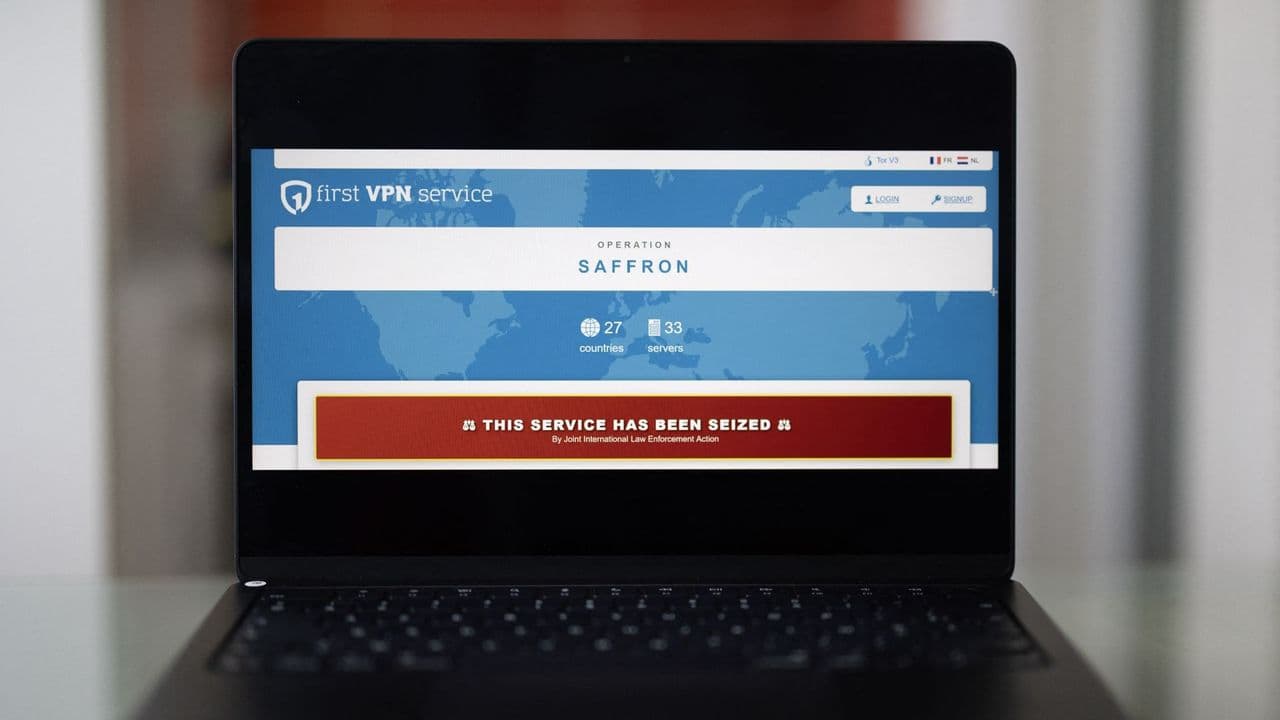
A free VPN service that law enforcement says was a haven for cybercriminals is no longer operational after a coordinated strike across multiple European countries. The operation, led by Europol and Eurojust, targeted 'First VPN,' a tool allegedly used by ransomware gangs and fraudsters to hide their digital footprints.
The takedown in detail
Authorities in at least six countries executed raids and seized servers linked to First VPN. The service, which marketed itself as a privacy tool for ordinary users, had a darker purpose. Investigators found evidence that cybercriminals relied on the VPN to mask their locations while launching attacks against businesses, hospitals and government agencies.
The operation involved law enforcement from the Netherlands, Germany, France, Poland, Latvia and the United Kingdom. They worked together to identify the VPN's infrastructure and pull the plug on its operations. Several suspects have been detained, though officials have not released names or exact charges.
Why this matters
Free VPN services often raise red flags. They can collect user data or, as in this case, become a refuge for bad actors. This takedown shows that European law enforcement is serious about hunting down the digital tools that enable cybercrime. For everyday users, the message is clear: not all free VPNs are safe. Choosing a reputable paid service with a clear privacy policy offers better protection.
The move also disrupts the supply chain of cybercrime. Ransomware attackers rely on such VPNs to stay anonymous. Taking down First VPN removes a key layer of cover for future attacks, though criminals will likely shift to other services.
What comes next
Europol said the investigation remains active. More arrests and server seizures are possible as forensic analysts sift through the confiscated data. Law enforcement agencies across the EU will continue coordinating to identify other VPN services that facilitate illegal activity.
The case serves as a warning to VPN providers: allowing criminal use can lead to swift legal consequences. Users should treat free, no-questions-asked VPNs with skepticism. The safest route is a transparent, audited provider based in a jurisdiction with strong data protection laws.