Senior Editor: Alan Agbele
Elon Musk's artificial intelligence company xAI has officially rebranded as SpaceXAI, completing a corporate identity shift that began five months ago when the AI venture merged with SpaceX. The change, announced on the X social media platform, signals a tighter integration between Musk's AI ambitions and his space operations.
The Rebranding Move
SpaceXAI, formerly known as xAI, was created by Musk in 2023 to compete with OpenAI and other generative AI companies. The startup's flagship product, Grok, a chatbot integrated into X, has been positioned as a less restricted alternative to ChatGPT. By merging with SpaceX and adopting the new name, Musk appears to be redirecting the AI effort toward aerospace and defense applications.
The rebranding also aligns with Musk's broader pattern of consolidating his companies. SpaceX, Starlink, Tesla and X now share engineering talent, data and infrastructure. The formal name change to SpaceXAI makes the connection explicit.
Potential Impact on AI and Space Operations
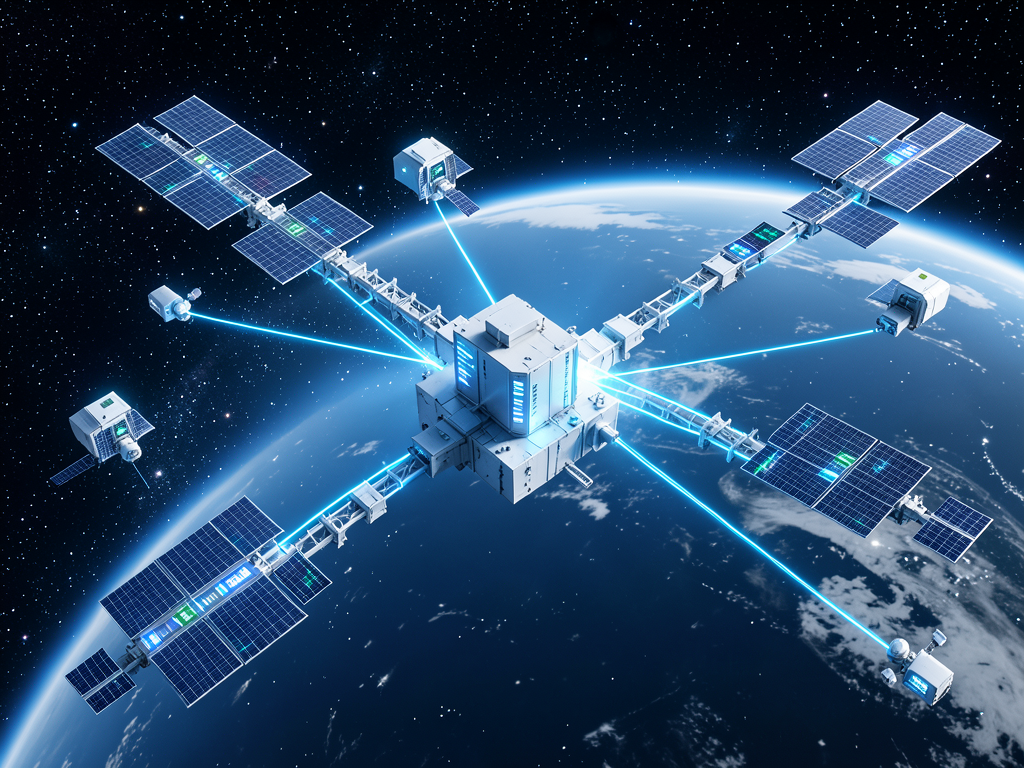
Bringing AI development inside SpaceX could unlock new capabilities. The company is already experimenting with AI for satellite constellation management, launch trajectory optimization and autonomous landing systems. The rebranding suggests these efforts will now be a core part of the AI venture's mission.
Why This Matters
This is not just a name change. By merging AI with a company that already operates the world's largest satellite constellation and a fleet of reusable rockets, Musk is creating a vertically integrated AI infrastructure. The real-world implications are significant: SpaceXAI could deploy AI models that are physically embedded in spacecraft, enabling real-time decision making in deep space where latency makes ground control impossible.
For regulators, this raises questions about oversight. AI systems operating in space with minimal human supervision introduce new risks around collision avoidance, spectrum management and orbital debris. The rebranding signals that Musk is prepared to push ahead on these fronts, potentially setting the pace for the entire space industry.