Senior Editor: Alan Agbele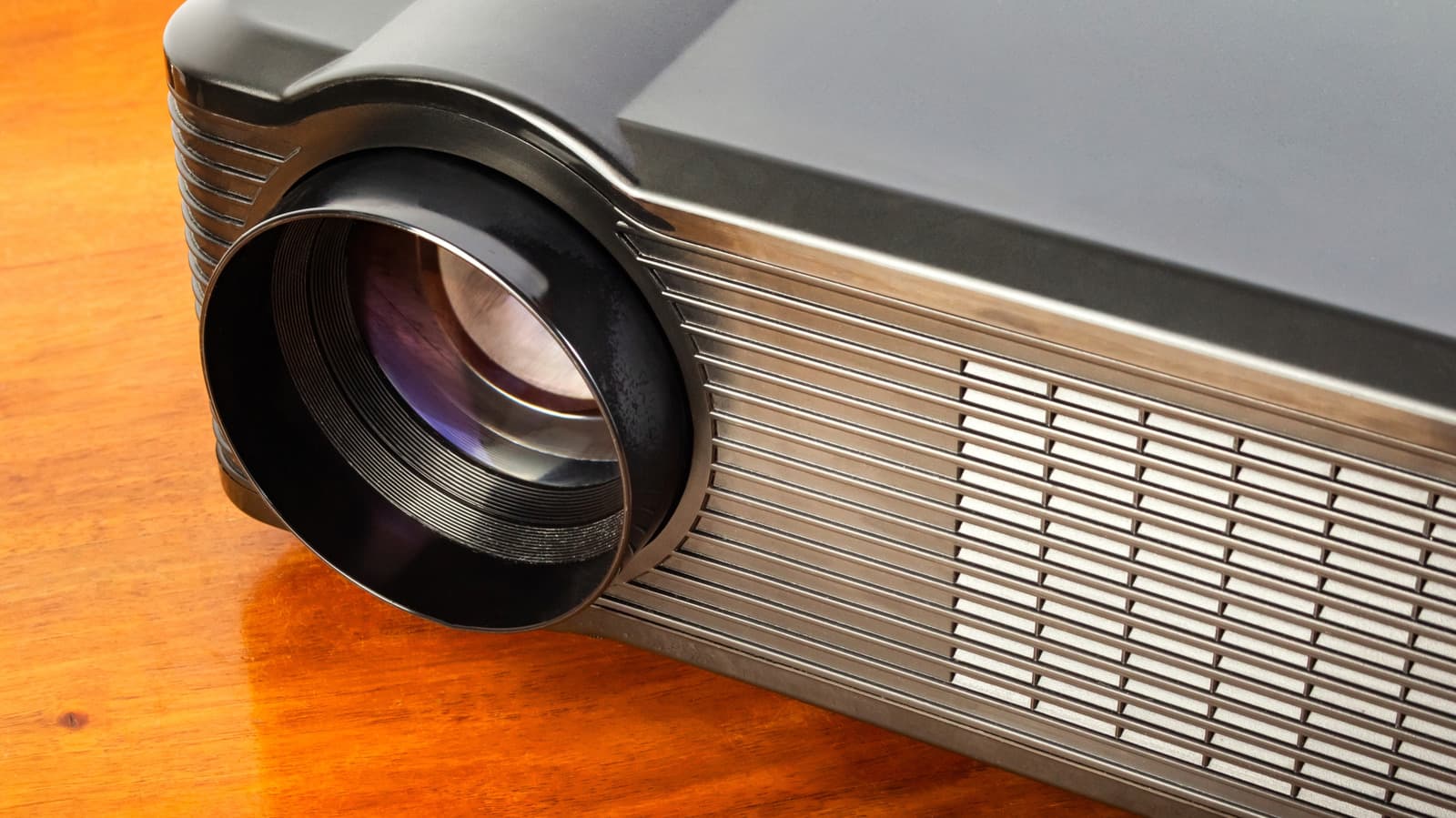
The home projector market is undergoing a quiet transformation. Traditional lamp-based projectors, once the standard for home theaters, are gradually losing ground to newer LED and laser light sources. The question shoppers face is no longer just about brightness or resolution but about the core technology powering the image. As consumers ask themselves "Lamp, Or Laser, Which Type Of Home Projector Should You Buy?" the answer depends on usage, budget and long-term value.
The Decline of Lamp Projectors
Lamp-based projectors have dominated the market for decades due to their low initial cost and high brightness. However, their bulbs degrade over time and require periodic replacement, adding to the total cost of ownership. Replacement lamps can cost $100 to $400 depending on the model, and the process can be inconvenient. Many buyers, especially those using projectors for daily home entertainment, are now shifting away from lamps in favor of longer-lasting alternatives.
Rise of LED and Laser Technology
LED projectors offer instant on/off capability and a lifespan that can outlast the projector itself by several times. They produce saturated colors but often fall short of lamp brightness in larger rooms. Laser projectors, particularly in higher-end home theater models, deliver both high brightness and exceptional color accuracy. Some hybrid models combine laser and LED sources to achieve wider color gamuts. Manufacturers such as Epson, BenQ, LG and Sony have expanded their LED and laser lines while reducing lamp-based offerings.
Consumer Impact and Market Trends
The shift away from lamps has practical implications for buyers. Those planning to use a projector for occasional movies may still find lamp models cost-effective, especially if they are comfortable replacing bulbs every few years. For daily use or gaming, LED and laser projectors eliminate the hassle of bulb changes and reduce long-term expense. The secondary market also reflects this trend: used lamp projectors depreciate faster as buyers prefer solid-state light sources.
Why This Matters
The choice of light source directly affects a projector's total cost over five years. A lamp projector may appear cheaper upfront, but replacing bulbs every 2,000 hours can add $200–$800 in hidden costs. For heavy users, LED or laser models are often more economical. Additionally, laser technology opens the door to advanced features like 8K input and dynamic contrast that lamp projectors cannot support. As streaming and home cinema adoption grow, the trend toward lamp-free projectors is likely to accelerate, making today's purchase decision critical for future-proofing a home theater setup.
Ultimately, the question "Lamp, Or Laser, Which Type Of Home Projector Should You Buy?" is best answered by matching technology to usage patterns. Casual viewers on a tight budget may still prefer lamp. Enthusiasts building a dedicated theater room should consider laser for its longevity and performance. LED fills the middle ground for portability and versatility. The market is moving away from lamps, but each option still serves a distinct purpose.