Senior Editor: Alan Agbele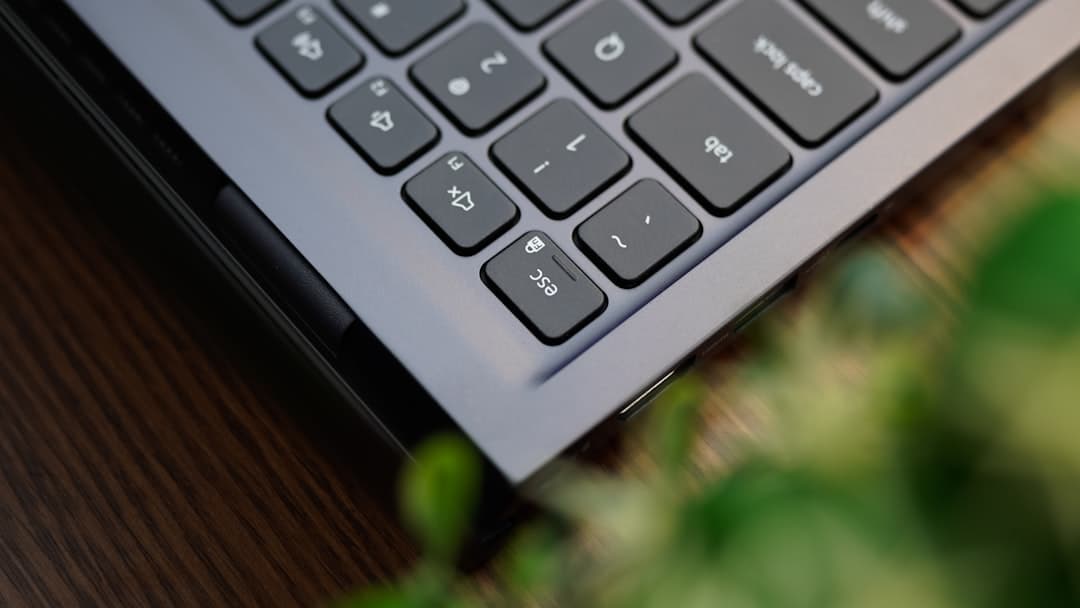
Dell's 2026 XPS 13 has drawn positive reviews for its refined aluminum chassis, 120Hz touch display and strong battery life, with a starting price of $699. The entry-level configuration, however, arrives with a trade-off that reviewers say potential buyers should consider: 8GB of RAM, which some consider insufficient for multitasking in 2026.
Design and Display Improvements
The new Dell XPS 13 retains the iconic nearly bezel-less display but adds a 120Hz refresh rate, a notable upgrade from earlier models. The aluminum chassis remains thin and light, making it one of the more portable 13-inch ultrabooks available. Reviewers consistently praise the build quality and the vibrant touchscreen, which supports a wide color gamut for creative work.
The RAM Reality Check
The $699 base model ships with 8GB of memory, a configuration that was standard a few years ago but now feels restrictive for users who run multiple apps or virtual desktops. Reviewers note that 16GB has become the de facto minimum for smooth Windows 11 performance. Upgrading to 16GB adds roughly $150 to the price, bringing the total to about $849. That still undercuts many premium ultrabooks while offering the same design and display benefits.
Why This Matters
The XPS 13 lineup has long been a benchmark for Windows ultrabooks. Dell's decision to offer an 8GB base model keeps the headline price low, but it forces many buyers to spend more for adequate performance. This pattern reflects a broader industry trend where affordable base configurations serve as marketing hooks rather than practical everyday machines. For shoppers, the real cost of the New Dell XPS 13 is closer to $850 once memory is upgraded, which still represents strong value compared to the MacBook Air's $1,099 starting price with 16GB.
Market Positioning and Competition
The 2026 Dell XPS 13 competes directly with Apple's MacBook Air, Lenovo's ThinkPad X1 Nano and Samsung's Galaxy Book3 Pro. While the Dell matches or beats most on display and battery life, the RAM limitation is a differentiator that buyers must weigh. Those who frequently run demanding software like video editors or virtual machines should budget for the 16GB model. For lighter users such as students or office workers, the base 8GB version may still serve well. Overall, the New Dell XPS 13 delivers on core laptop expectations but requires careful configuration to match individual needs.