Editor: Porcia Akua Holmes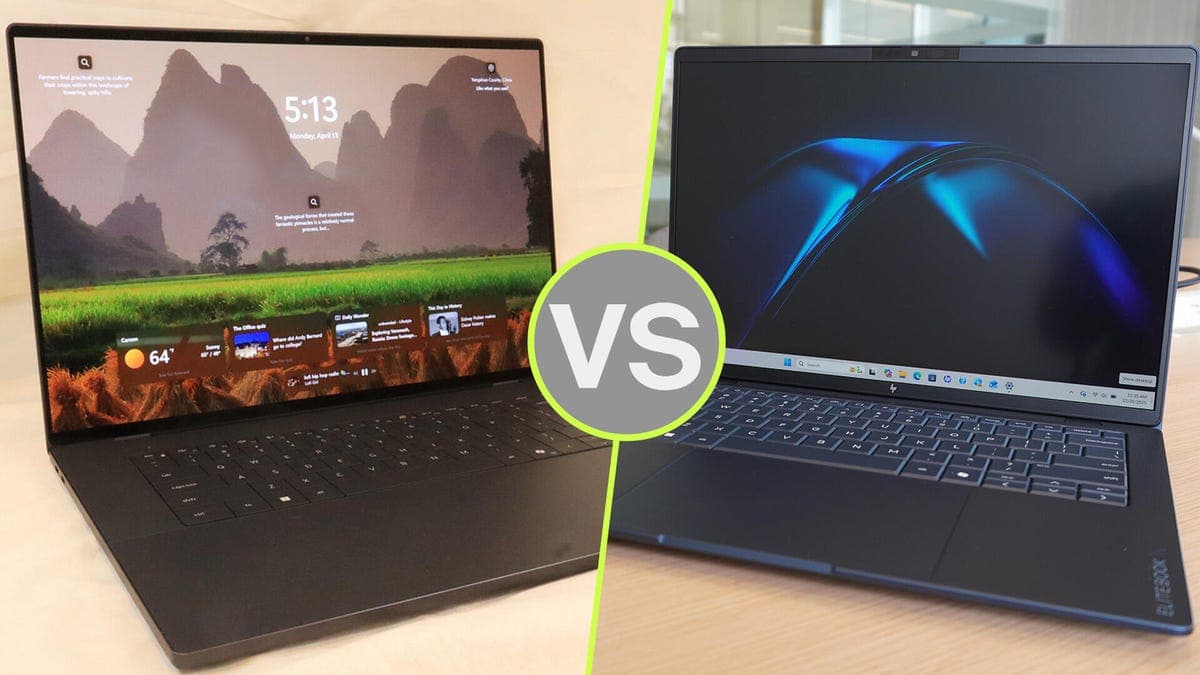
The battle for laptop buyers has long been a two-horse race between Dell and HP. But with shifting consumer priorities around design, performance and sustainability, the competition is entering a new phase. Recent product refreshes and pricing moves from both companies reveal distinct strategies that could determine which brand wins your next purchase.
Design Language and Build Quality
Dell has invested heavily in its premium XPS line, offering near-borderless displays and machined aluminum chassis that rival Apple's MacBook. HP counters with the Spectre series, which emphasizes thinness and distinctive gem-cut edges. For business users, Dell's Latitude line remains a rugged workhorse while HP's EliteBook targets similar buyers with a lighter touch. The gap in build quality has narrowed significantly. HP's recent addition of recycled materials and OLED display options in the Spectre x360 gives it an edge in eco-conscious design.
Performance and User Focus
Dell continues to lead in raw performance metrics, particularly with its XPS 16 featuring Intel Core Ultra processors and dedicated graphics for creative professionals. HP has focused on versatility, offering 2-in-1 convertibles like the Envy x360 that balance power with portability. For gamers, Dell's Alienware line remains a benchmark but HP's Omen series offers comparable specs at slightly lower prices. The choice often comes down to whether you prioritize pure performance or everyday flexibility.
Pricing and Market Strategy
Dell traditionally commands a premium on its high-end models but offers aggressive business discounts through its enterprise channels. HP has leaned into competitive pricing across its consumer lineup, frequently undercutting Dell on similarly configured machines. This strategy is paying off as HP gains share in the sub-$1,000 laptop segment. However, Dell retains a stronghold in corporate procurement thanks to its comprehensive support and warranty options.
Why This Matters
The Dell versus HP debate is no longer a simple question of which is better. Each brand now targets distinct user profiles more sharply than ever. Buyers must evaluate their specific needs: creative workloads favor Dell's XPS, general productivity leans toward HP's versatile Envy line, and business users may prefer Dell's service over HP's design. The market shift toward sustainable materials and AI-ready hardware means both companies will continue to evolve. For consumers, the real winner is the one that aligns closest with your priorities today.