Editor: Porcia Akua Holmes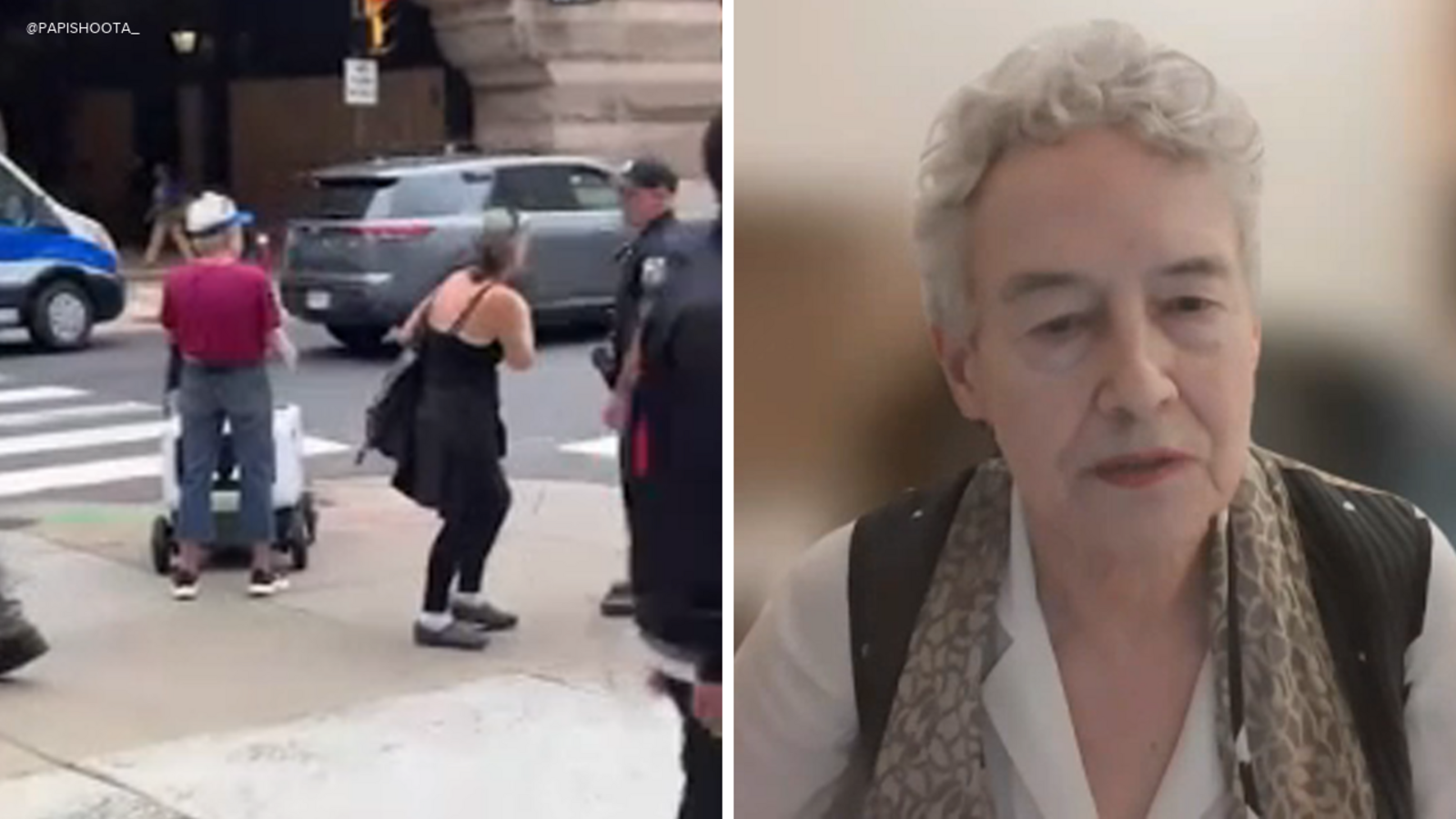
A woman was arrested in Center City Philadelphia after she physically blocked a sidewalk delivery robot, turning a brief act of obstruction into a criminal case that now sits at the center of a widening debate over who owns the pavement.
Why This Matters
The arrest signals that cities are entering a new phase of robot integration, one where the machines are no longer treated as harmless curiosities but as infrastructure with legal weight. If prosecutors pursue the charge, the case could set a precedent for how interference with delivery robots is punished.
Robot operators, meanwhile, face a reputational risk. A heavy-handed response to a public complaint can harden local opposition and invite stricter ordinances. The industry has spent years arguing that its devices reduce congestion and emissions, yet incidents like this one give critics a vivid counter-narrative.
What Happened in Center City Philadelphia
The confrontation unfolded on a sidewalk in Center City Philadelphia, where a woman positioned herself in front of a delivery robot and prevented it from continuing its route. Police responded and took her into custody.
Details about the robot's operator and the exact charges have not been fully disclosed. The incident drew immediate attention on Hacker News, where commenters debated whether blocking a machine should carry criminal penalties at all.
The Legal Grey Zone Around Sidewalk Robots
Most states have not passed laws specifically addressing sidewalk delivery robots. Operators instead rely on a mix of pedestrian rules, property ordinances and insurance policies. That ambiguity cuts both ways.
Legal scholars note that existing obstruction and vandalism statutes were written with human actors in mind. Applying them to robots raises questions about intent, harm and proportionality.
Why Robot Operators Are Watching Closely
Delivery robot companies have long argued that their devices improve urban logistics. A public arrest, however, can undermine that message and embolden city councils to act.
Industry groups are likely to push for clearer state-level rules that preempt local bans. At the same time, they may need to invest in better conflict de-escalation training for remote operators and on-ground staff.
What You Need to Know About the Fallout
The case could accelerate calls for a national framework governing sidewalk robots. Without one, cities like Center City Philadelphia will continue to improvise, producing inconsistent outcomes for residents and operators alike.
For now, the arrest stands as a reminder that autonomous machines are only as welcome as the communities they roll through. Public trust, not technical capability, may prove the harder obstacle to clear.