Editor: Porcia Akua Holmes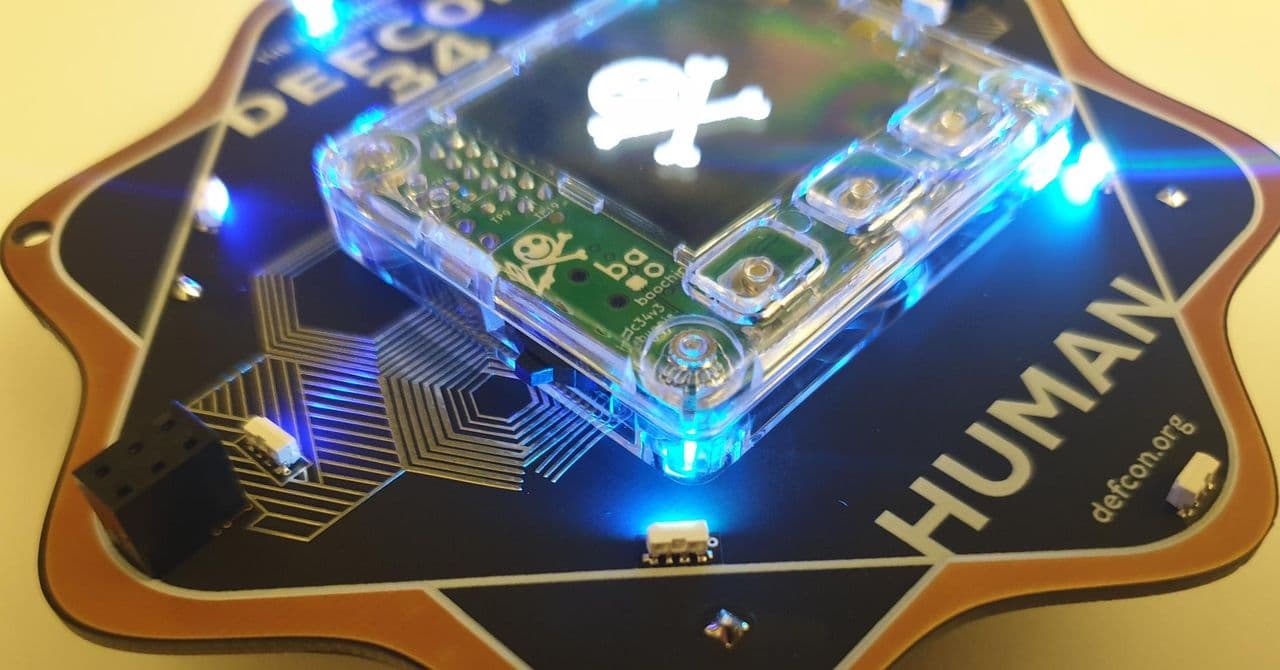
The iconic conference badges at Defcon are getting a major upgrade this year. Organizers have embedded a unique open-source chip directly into the badge that also works as a hardware security key. The move transforms a traditional souvenir into a functional tool for cybersecurity enthusiasts.
Open-Source Design Unlocks Customization
The chip used in the Defcon badges is not a proprietary black box. Its open-source nature means the schematics, firmware and documentation are publicly available. Conference attendees and hobbyists can inspect the code for vulnerabilities or add their own features. This transparency aligns with Defcon's hacker ethos and sets a precedent for event merchandise that goes beyond novelty.
The badge’s security key functionality uses standard protocols that work with password managers, websites and operating systems. Users can register the badge as a WebAuthn or FIDO2 authenticator. Once configured, it acts as a physical second factor that resists phishing attacks far better than SMS codes.
Practical Benefits for Attendees
Why This Matters
The inclusion of a usable security key in a conference badge represents a shift in how event organizers think about attendee value. By giving every participant a functional cybersecurity tool, Defcon directly promotes stronger authentication practices in a community that frequently discusses security risks. The open-source design also serves as a real-world example of transparent hardware, which could inspire similar approaches in other high-tech events. Long term, this badge may encourage wider adoption of hardware-based two-factor authentication by making it more accessible and less intimidating.
For cybersecurity professionals and enthusiasts, the badge is both a collector’s item and a daily driver. It bridges the gap between a conference token and a practical device that protects digital identities. As phishing attacks grow more sophisticated, hardware security keys remain one of the most effective defenses. Defcon’s decision to embed one into its badge underscores the importance of physical security in an increasingly online world.