Editor: Porcia Akua Holmes
DeepSeek is changing how it charges developers for access to its large language models, introducing a peak and off-peak pricing model that could lower costs for non-urgent workloads. The move marks a significant departure from the industry-standard flat per-token rates offered by most major AI providers.
How DeepSeek's Pricing Model Works
Under the new structure, DeepSeek divides the day into peak and off-peak periods. Peak hours align with weekday business hours in the provider's time zone, while off-peak covers weekends, holidays and overnight windows. The company adjusts per-token rates based on demand during these windows.
Market Implications
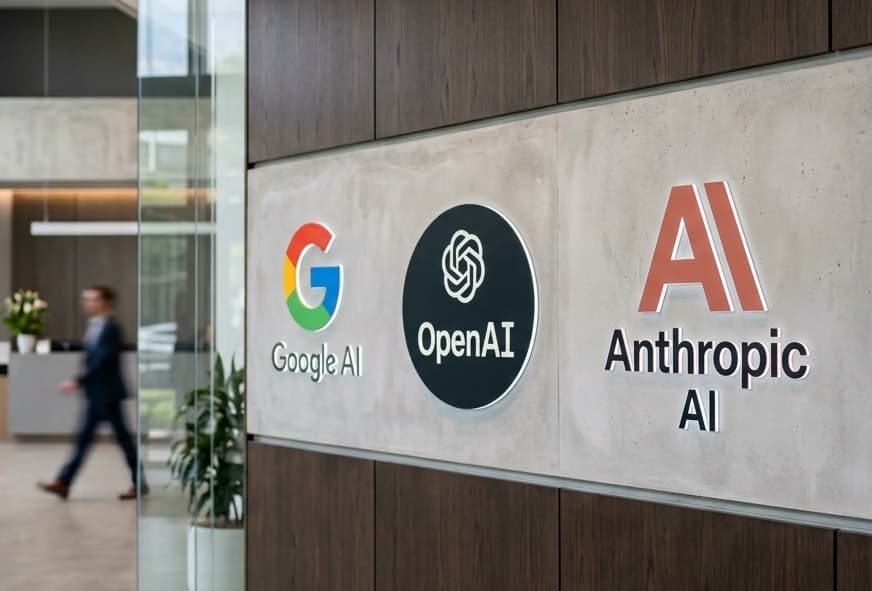
DeepSeek's pricing update arrives at a time when AI inference costs are under intense scrutiny. Competitors such as OpenAI and Google have largely maintained flat-rate pricing, arguing it simplifies budgeting. DeepSeek's time-sensitive model could force rivals to reconsider their strategies, especially for developers who prioritize cost efficiency over latency.
Startups and independent developers, however, stand to gain the most. Off-peak pricing makes it viable to run large-scale data processing, experimentation and model fine-tuning during low-cost hours. Enterprises with predictable workloads may also restructure their usage to take advantage of cheaper windows, though real-time applications will see less benefit.
Why This Matters
The real significance of DeepSeek's move extends beyond pricing. If the model gains traction, it could accelerate the commoditization of AI inference, forcing the entire industry to compete on efficiency and operational flexibility rather than just model performance. For developers, this means more granular control over cloud computing costs, similar to the shift AWS and Azure pioneered with reserved instances and spot pricing.
Yet the approach also introduces friction. Developers must now factor time-of-day into their cost projections, which may discourage adoption among teams that value simplicity. DeepSeek will need to provide robust forecasting tools and transparent usage dashboards to mitigate this complexity. If successful, the company could set a new standard for AI API pricing, one that rewards patience and off-peak planning.