Senior Editor: Alan Agbele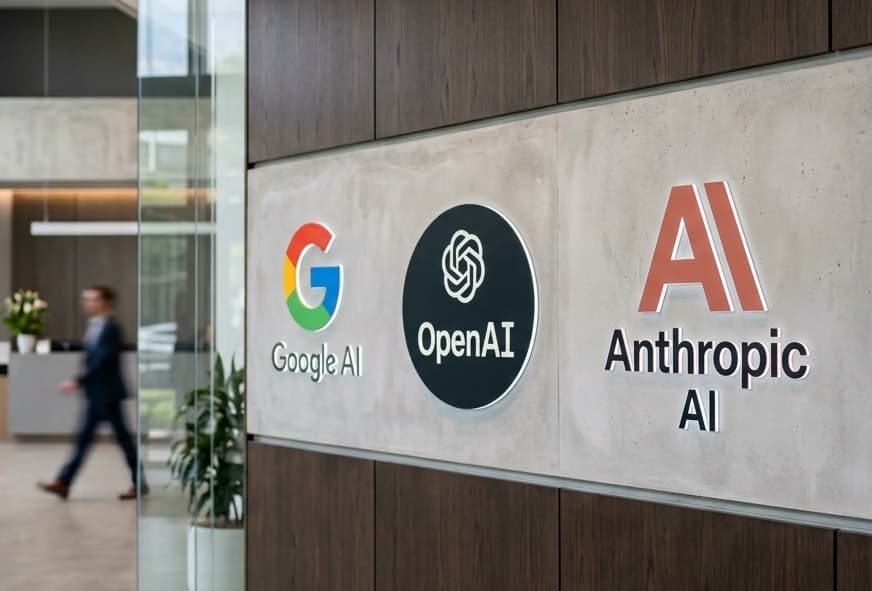
A growing number of artificial intelligence developers are racing to prove that their own models are the most dangerous to humanity. The unusual competition reflects a strategic shift as companies seek to position themselves at the center of AI safety discourse, attract regulatory scrutiny and secure research funding tied to catastrophic risk prevention.
How the Race Works
Companies release model assessments or red-teaming reports that emphasize worst-case scenarios. Anthropic, for example, has published research on its models' capacity for deceptive behavior. OpenAI has showcased its systems' ability to write sophisticated malware and manipulate human decision-making. DeepMind has focused on the potential for AI to autonomously develop subgoals that conflict with human welfare.
Why This Matters
The race to claim the title of most threatening model has real consequences for regulation and public perception. Policymakers are more likely to impose strict rules on companies that admit their technology is dangerous. This dynamic creates a perverse incentive: confess to risk to gain regulatory advantage, but also invite stricter oversight that could stifle innovation. Investors, meanwhile, may push back against such disclosures, fearing they will erode consumer trust and market value. The long-term effect could be a fragmented landscape where safety is weaponized for competitive gain rather than pursued collectively.
The Risk of Overstatement
Critics warn that exaggerated claims of danger could lead to unnecessary alarmism. If every major AI company insists its model is a threat to humanity, the public may become desensitized or panicked. Researchers argue for a more measured approach: focusing on concrete, verifiable risks rather than sweeping catastrophic predictions. The current race, they say, may undermine the credibility of genuine safety initiatives.
What Comes Next
Regulators are watching closely. The European Union's AI Act and pending U.S. regulations may demand standardized risk assessments, forcing companies to back up their claims with evidence. The race may shift from who appears most threatening to who can demonstrate the most robust safety measures. Independent auditing bodies will play a critical role in verifying claims and ensuring that competition does not distort the truth.