Senior Editor: Alan Agbele
DeepSeek has quietly opened a developer preview of DeepSeek Harness, a new tool designed to streamline how engineers build, test and deploy AI agents. The release moves the Chinese AI lab beyond raw frontier models and into the increasingly crowded developer infrastructure layer, where teams like OpenAI and LangChain already compete for the same users.
What DeepSeek Harness Delivers
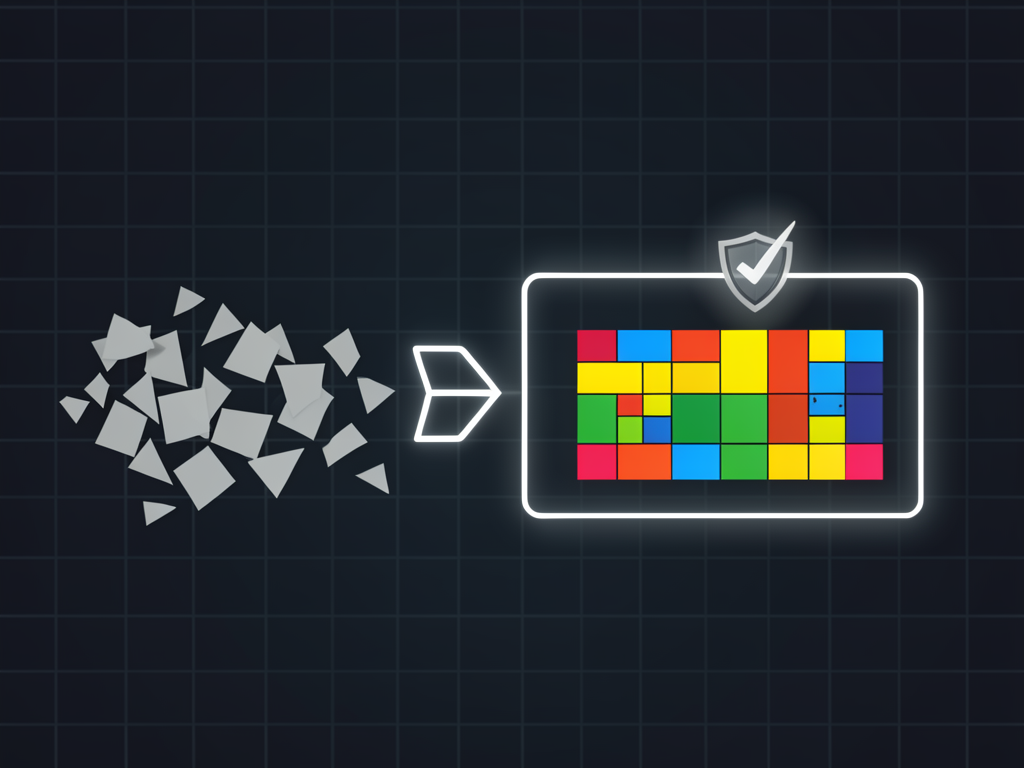
The preview centers on a unified workspace where developers can define agent goals, attach model endpoints, run evaluations and inspect failure cases. Early documentation points to a declarative configuration format, meaning teams can describe an agent's steps and guardrails in code rather than clicking through a dashboard.
DeepSeek appears to be aiming at a recurring pain point in production AI: the gap between a prototype that works in a notebook and a system that behaves reliably under load. Harness includes features commonly found in enterprise LLM tooling, including prompt versioning, trace logging and regression testing against a custom dataset.
The Competitive Shift
DeepSeek built its reputation on high-performing open-weight models at a fraction of the cost of leading U.S. systems. With Harness, the company is extending its ecosystem upward, attempting to lock in developers who want a cheaper, self-hosted path to production agents.
The strategy echoes moves from other model providers that have added orchestration layers to keep users on their platforms. OpenAI's Assistants API and Anthropic's tool-use patterns both pull developers into a specific runtime. DeepSeek's pitch, however, leans on openness: the harness appears designed to work with multiple model backends, which could appeal to teams that want optionality.
Why This Matters
If DeepSeek Harness gains traction, it could pressure pricing across the agent development stack. Most orchestration platforms charge per seat or per agent invocation, and switching costs remain high. A credible open alternative from a company that already underprices models would force incumbents to justify their premium.
The bigger consequence involves where AI value accumulates. Whoever controls the developer workflow controls the model choices, data telemetry and deployment patterns of the next wave of applications. DeepSeek is making a direct play for that control, and the developer preview is the first visible step.
What Developers Should Watch
Early adopters should be cautious about production readiness. Developer previews often lack the hardening needed for regulated industries, and the tool's compatibility with third-party libraries remains unclear.
Still, the signal is strong. DeepSeek is no longer only a model seller. It is building the connective tissue between models and applications, and the Hacker News thread that surfaced the launch shows appetite among engineers who want to test alternatives to dominant platforms. The next few months will reveal whether Harness becomes a foundational tool or another experimental release in a fast-moving market.