Senior Editor: Alan Agbele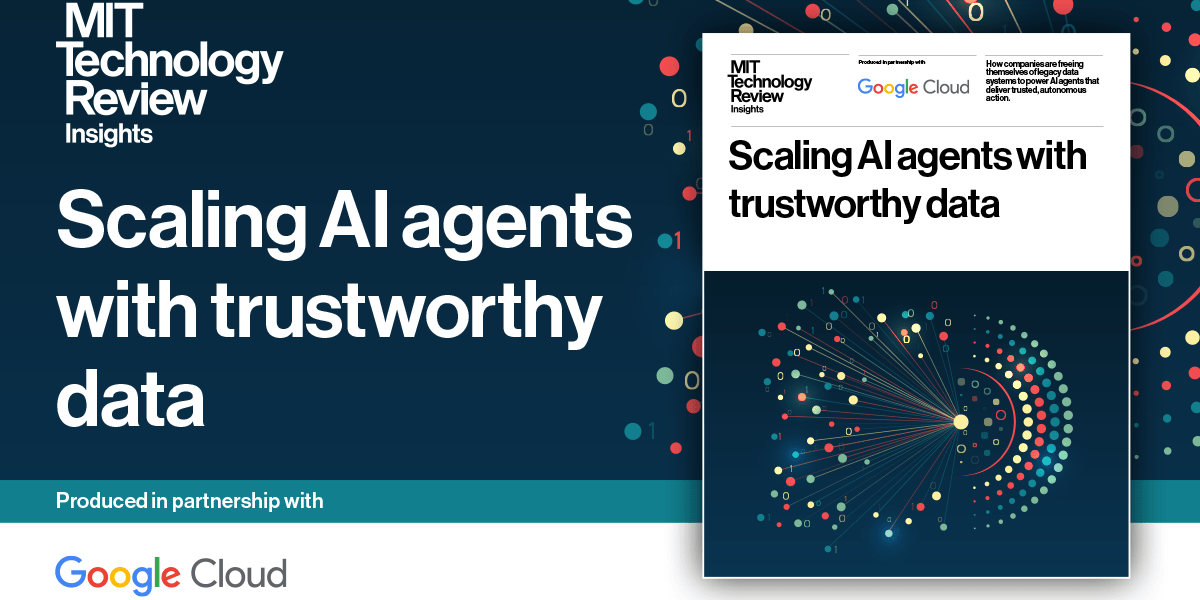
Most enterprises racing to deploy AI agents are hitting a wall built from their own legacy data systems. A new survey of 300 data and technology executives, produced by MIT Technology Review, reveals that the average organization grants its AI agents access to only 45% of company data. The gap between ambition and infrastructure is creating a sharp divide between leaders and laggards in the agentic AI era.
The Data Access Divide
Organizations that have invested in modern, unified data platforms are outpacing those stuck with legacy infrastructure. Survey results show that agents in the average firm can reach only about half of available enterprise data. In organizations labeled “data laggards,” that figure drops to 30% or less. The lag in access stems from fragmented storage, incompatible formats and slow integration with operational systems such as supply chain or human resources platforms.
Trust Follows Data Quality
The survey found a direct correlation between data readiness and trust in AI agents. While only half of all surveyed organizations trust that their agents make accurate decisions, every single data leader expressed full trust. This suggests that when data is complete, current and well-governed, AI output becomes reliable. Trust is not a product of better algorithms but of better data plumbing.
Why This Matters
Gartner predicts that by 2027, AI agents will augment or automate 50% of business decisions. If most enterprises continue to operate with fragmented legacy systems, they will fail to realize the anticipated return on investment. The divide between data leaders and laggards will widen into a competitive moat. Companies that fail to modernize data infrastructure will not just see slower AI adoption — they will watch their agents make incomplete or incorrect decisions at scale, eroding operational confidence. The stakes extend beyond IT: supply chains, customer service and financial planning all depend on agents acting on trustworthy data.
Pathways to Data Readiness
Becoming a data leader requires more than lifting and shifting legacy systems to the cloud. The report emphasizes that organizations must break down silos, enforce consistent data governance and provide agents with real-time connections to transactional systems. This shift is not purely technical; it demands executive alignment around data as a strategic asset rather than a byproduct of operations. The firms that invest now will be the ones that actually unlock the promise of agentic AI.