Senior Editor: Alan Agbele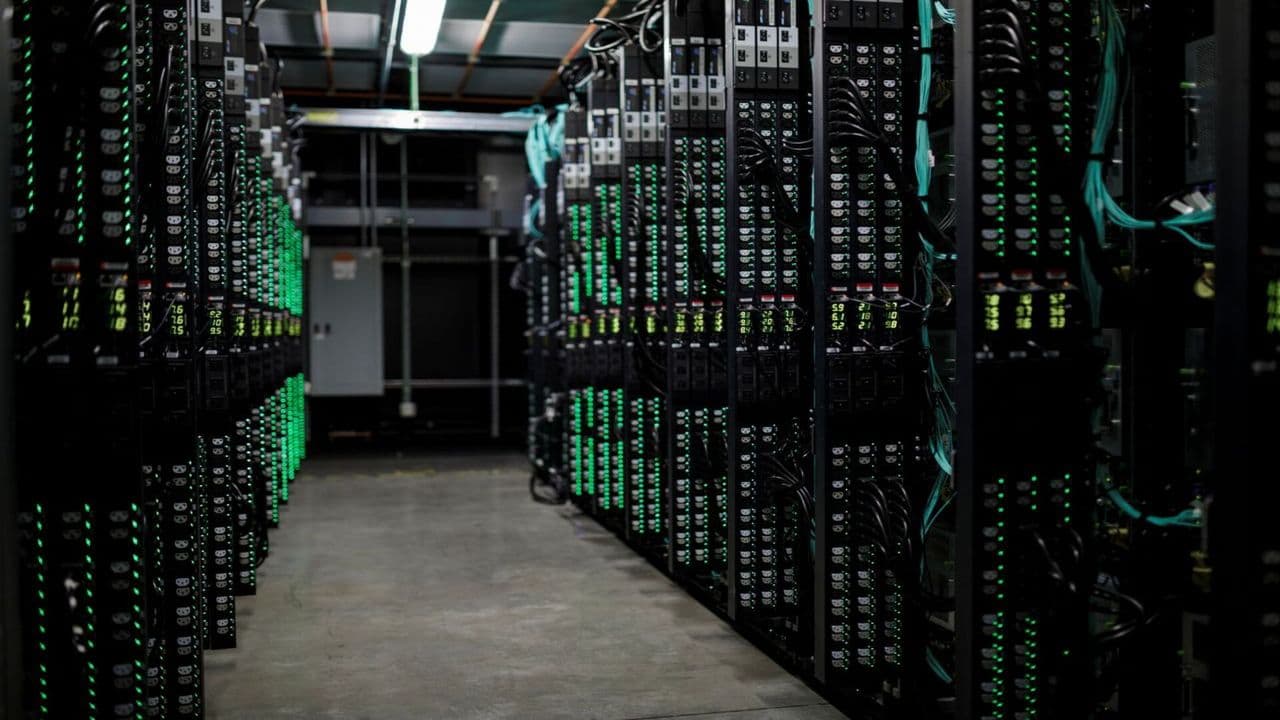
Data centers in Arizona are adding unwanted heat to the already scorching Phoenix metro area, according to new research. The facilities, which rely on air cooling systems, create thermal plumes that can raise local temperatures by as much as 4 degrees Fahrenheit. That extra heat is compounding the urban heat island effect and intensifying public health risks during summer heat waves.
The findings come from scientists who studied the thermal impact of data centers in the region. They found that the hot exhaust air from cooling equipment does not dissipate harmlessly. Instead, it lingers near ground level, especially at night, and raises ambient temperatures in surrounding neighborhoods. In a city already grappling with record heat and heat-related deaths, this added warmth is not trivial.
How air cooling creates heat piles
Most data centers in Arizona use air-based cooling systems. These systems pull in outside air, run it over hot servers, then push the heated air back out. In a typical building, this exhaust can be 20 to 30 degrees hotter than the intake. When dozens or hundreds of data centers cluster in the same area, their collective hot air output forms a thermal plume that can raise street-level temperatures.
The research, conducted by a team at the University of Texas at Arlington, used satellite data and ground sensors to measure temperature differences around data center hubs. One case study showed that during a heat wave in 2023, an area with a high concentration of data centers was consistently 3 to 4 degrees hotter than nearby residential zones without data centers.
Why this matters
Phoenix is one of the fastest-warming cities in the United States. Heat waves already strain the power grid, increase hospital visits and cause dozens of deaths each year. An extra 4 degrees can push temperatures above dangerous thresholds, making heat stroke more likely and making it harder for vulnerable populations such as the elderly and unhoused to stay cool.
This issue extends beyond Arizona. Data centers are multiplying globally to support cloud computing and artificial intelligence. Many are built in hot climates where cooling is already a challenge. If these facilities are not designed to manage their heat output, they risk making local heat problems worse. City planners and regulators need to consider heat impact as a factor when approving new data centers, similar to how they manage emissions from power plants.
Some solutions exist. Liquid cooling systems, which use water or refrigerants, produce less hot air exhaust. Siting data centers away from dense residential areas or using waste heat for district heating can also reduce the problem. But these options are not yet standard practice, and the rapid growth of the industry is outpacing regulation.
Signs of change
Several tech companies have started to acknowledge the issue. Microsoft and Google have pledged to use liquid cooling in new facilities. Arizona state officials have also begun discussions about including heat impact in environmental reviews. However, no formal rules are in place yet.
The research team warns that without intervention, the heat contribution from data centers will only grow. As AI workloads increase, so does the demand for computation and therefore for cooling. The result could be a feedback loop where data centers both require more electricity to cool themselves and make the outside air hotter, requiring even more cooling.
For now, residents in Phoenix neighborhoods near data center clusters are feeling the heat literally. Whether cities act fast enough to address this new source of urban warmth remains an open question.