Editor: Porcia Akua Holmes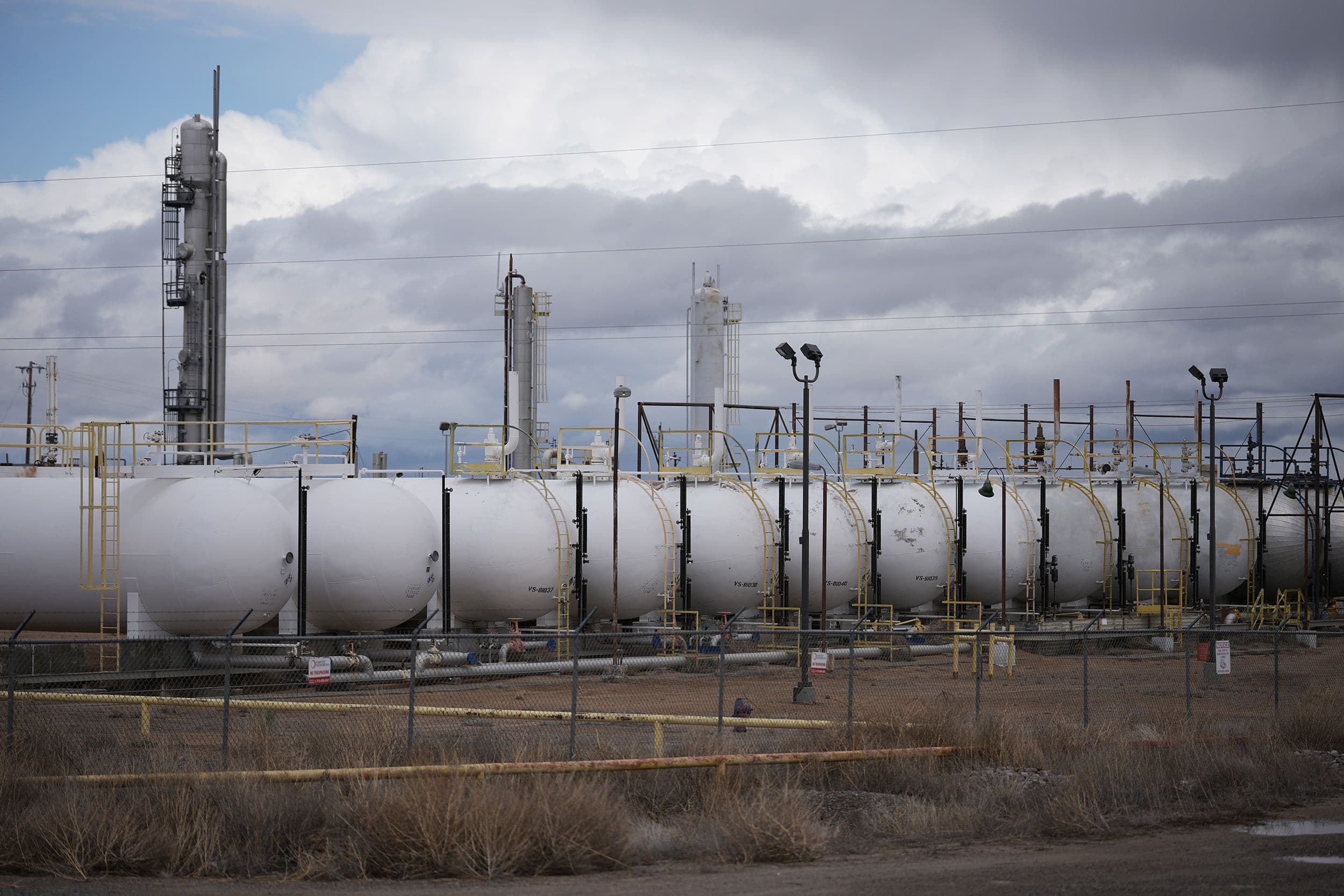
A burst of data center construction across the United States is driving a parallel boom in natural gas power plants, according to a new analysis of utility filings. Data centers are driving an alarming gas power expansion that could lock in decades of fossil fuel emissions just as the country needs to cut them. The findings highlight a growing tension between the digital economy's hunger for electricity and national climate targets.
The Scale of the Gas Buildout
Utility companies have filed plans for more than 80 new gas-fired power plants across the nation, with a combined capacity exceeding 40 gigawatts. Most of these projects cite data center load growth as the primary justification. The plants are concentrated in states with large data center clusters such as Virginia, Ohio and Texas.
The proposed gas plants would emit millions of tons of carbon dioxide annually, complicating efforts by utilities to meet their own net-zero targets. Environmental groups argue that the buildout represents a step backward after years of progress in retiring coal plants and adding renewable energy.
Conflicting Grid Priorities
The gas expansion clashes with state clean energy standards. California and New York are aggressively closing gas plants while the Midwest and South are building them. This patchwork approach creates uncertainty for grid operators who must balance reliability with emissions goals.
Some utilities argue that gas plants are needed for backup power when solar and wind output drops. Critics counter that battery storage and demand response programs could fill the gap more cleanly and quickly. The debate has reached federal regulators, who are weighing whether to expedite gas plant permits for data center connections.
Why This Matters
The alarming gas power expansion driven by data centers threatens to derail U.S. climate progress at the exact moment when emissions must fall sharply. For data center operators, the buildout may offer short-term power certainty but carries long-term reputational and financial risks as carbon regulations tighten. Utilities face pressure to choose between meeting customer demand and honoring environmental pledges. The outcome of this tension will shape the nation's energy mix for a generation.