Senior Editor: Alan Agbele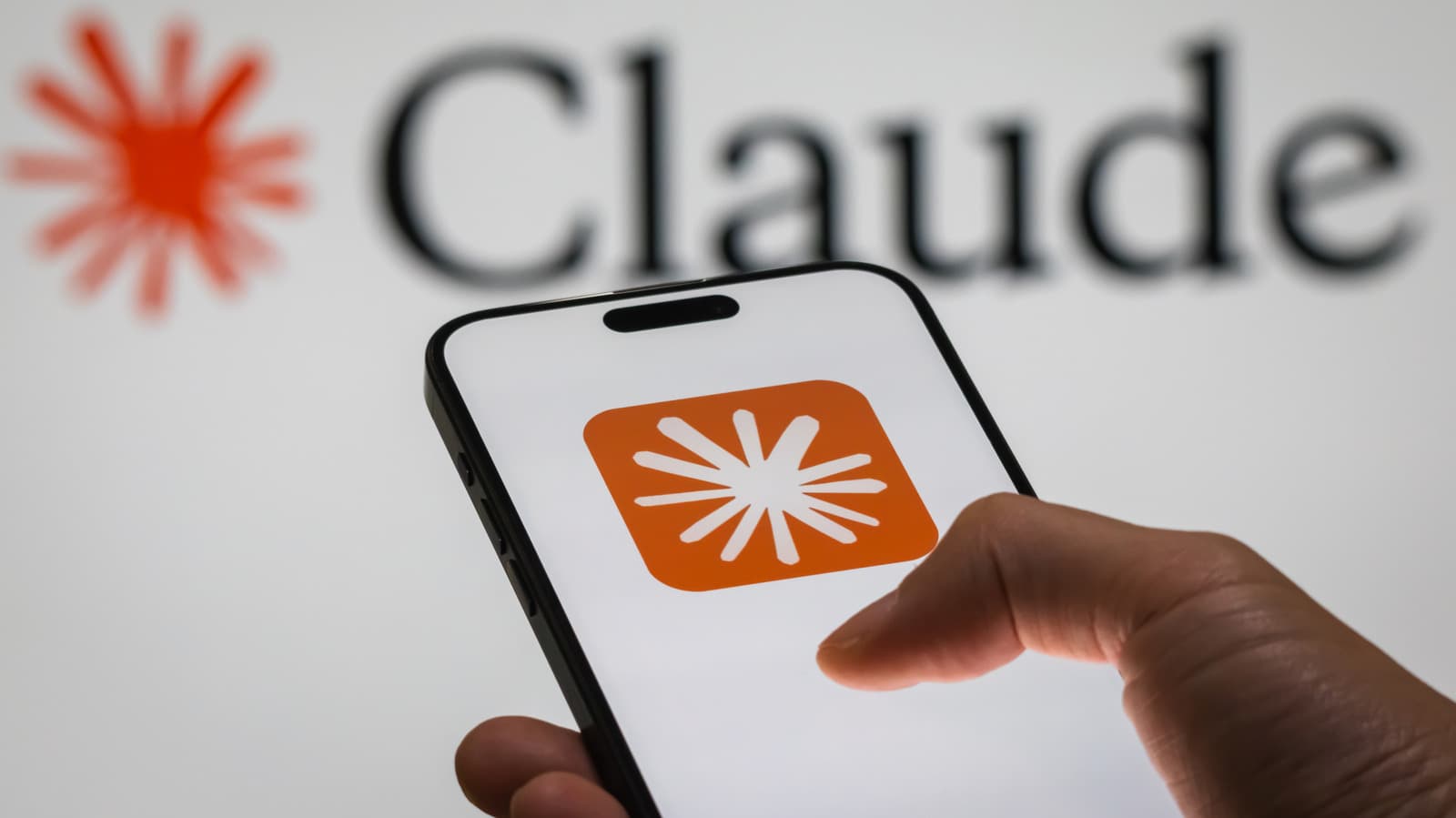
Anthropic's AI assistant Claude has introduced a new feature that lets users manage their email inboxes directly through the chatbot. The tool can read, draft and organize messages, but the convenience comes with significant risks around data security and AI reliability.
How the Integration Works
Claude connects to email services using API integrations that require explicit user authorization. Once connected, the assistant can perform several email-related tasks based on natural language commands. The system processes message bodies and metadata, which raises questions about how Anthropic handles user data on its servers.
These capabilities mirror features found in other email assistants like Google's Smart Reply. Claude, however, brings a conversational layer that interprets more complex requests.
Why This Matters
The trend of AI assistants gaining access to personal communication platforms represents a new frontier in data privacy. Email inboxes contain some of the most sensitive information about a person's life including financial records, medical correspondence and personal relationships. When an AI model processes that data, the risk goes beyond simple misreading. If Anthropic's servers are compromised or if Claude's training data inadvertently memorizes private content, users could face real-world consequences such as identity theft or blackmail. Regulators have not yet established clear rules for how AI companies must handle such intimate data, leaving users to rely on corporate promises rather than legal protections.
Privacy and Error Risks
Beyond data security, the reliability of Claude's email management introduces practical dangers. AI language models have a documented tendency to hallucinate facts, misinterpret tone and generate inappropriate responses. An incorrectly worded reply or a mislabeled urgent message could damage professional relationships or cause financial harm.
Anthropic advises users to review messages before sending and to use the feature only with noncritical accounts. The company also notes that users can delete their conversation history at any time. But the fundamental tension remains: the more powerful the AI assistant, the greater its need for access to sensitive data.
For now, Claude's email management feature offers undeniable convenience. Yet anyone considering enabling it should weigh the efficiency gains against the potential for data exposure and costly mistakes.