Editor: Porcia Akua Holmes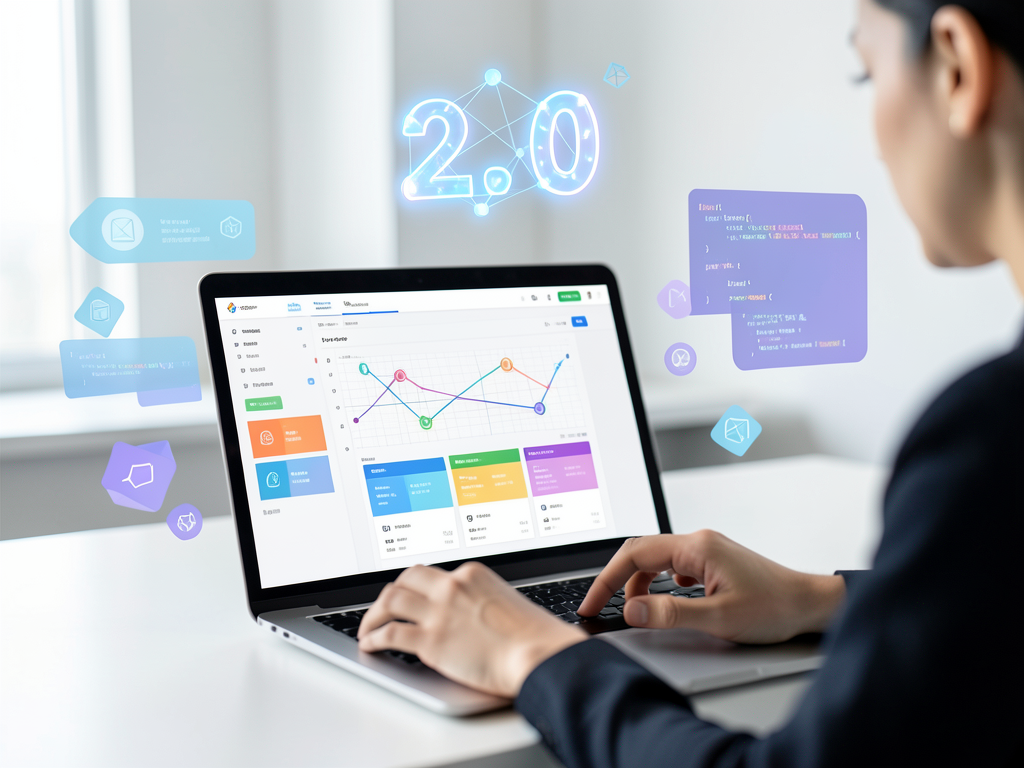
Canva is betting that the future of AI-powered coding lies not just in generating functional code but in making the results look exceptional. The company has launched Canva Code 2.0, a major upgrade to its AI coding tool that lets users build interactive websites, apps and experiences from plain-language prompts — and then edit those outputs as easily as tweaking a presentation slide. The feature is now available across every pricing tier, including free accounts, putting it in the hands of Canva's more than 265 million monthly users.
A New Bet on Design Over Code
Most AI coding tools stop at functional output. Users get a working prototype but struggle to make it look unique without diving into complex editing surfaces or hiring a developer. Canva is taking a different approach. The company argues that the real bottleneck is not generating the code — it is making the result actually look good.
Danny Wu, Canva's Head of AI Products, said the company is deliberately targeting non-technical users. "We are deliberately targeting non-technical users," Wu said. "Canva Code is not a tool we are building for developers. What we are trying to do is bring the power of AI coding — and really lightweight coding — into the Canva platform." That strategy positions Canva to serve a massive audience that other vibe-coding tools have largely ignored.
What Canva Code 2.0 Does Differently
The update introduces features designed to collapse the distance between generating code and publishing a polished interactive experience. Users can create projects directly inside other Canva designs — embedding interactive elements into presentations, whiteboards or standalone pages. Canva has added more than 50 new templates built for interactivity, along with the ability to import raw HTML files from other AI coding tools and convert them into editable Canva designs.
The editing experience is the most distinctive feature. Wu demonstrated how a generated conference website could be modified in real time — swapping in photos, changing fonts to branded alternatives and editing text directly on the canvas. He noted one current limitation: users cannot move elements around without re-prompting. "The key differentiator with Canva Code is the editability and the kindness of the outputs it generates," Wu said.
The Competitive Landscape Heats Up
Canva's entry into vibe coding at this scale arrives at a pivotal moment. Market research from Luminix AI estimates the vibe coding and AI app builder market reached $4.7 billion in 2026, with projections of $12.3 billion by 2027. AI-generated code now accounts for roughly 41% of all code written globally, a figure that would have seemed inconceivable two years ago.
Canva's rivals, however, have grown rapidly. Lovable, which targets non-technical founders with design-forward app generation, reportedly reached approximately $400 million in annual recurring revenue by early 2026. Replit has tripled its valuation to $9 billion and is targeting $1 billion in run-rate revenue by the end of 2026. Bolt.new runs a full Node.js environment for AI-generated apps. But Canva brings something none of these competitors have: a built-in audience of 265 million users who already understand Canva's design tools and workflow.
Why This Matters
Canva's move democratizes website building for non-developers in a way that existing AI coding tools have not achieved. Most vibe-coding platforms still require users to interact with code or accept generic-looking outputs. Canva Code 2.0 removes both barriers by wrapping AI generation inside a familiar drag-and-drop design environment. That lowers the skill floor dramatically, meaning small business owners, marketers, educators and creators can now produce professional interactive sites without hiring a developer or learning to code.
The impact extends to the competitive landscape. If Canva converts even a fraction of its user base into regular Code users, it could reshape the vibe-coding market. The company already reports a 25% increase in active Code users since integrating the tool into the main Canva editor. With free-tier access, adoption could accelerate rapidly, forcing rivals to differentiate on design polish rather than just code generation. For the broader tech industry, this signals that the next phase of AI coding is not about who writes the best code — it is about who makes the results usable and beautiful.