Senior Editor: Alan Agbele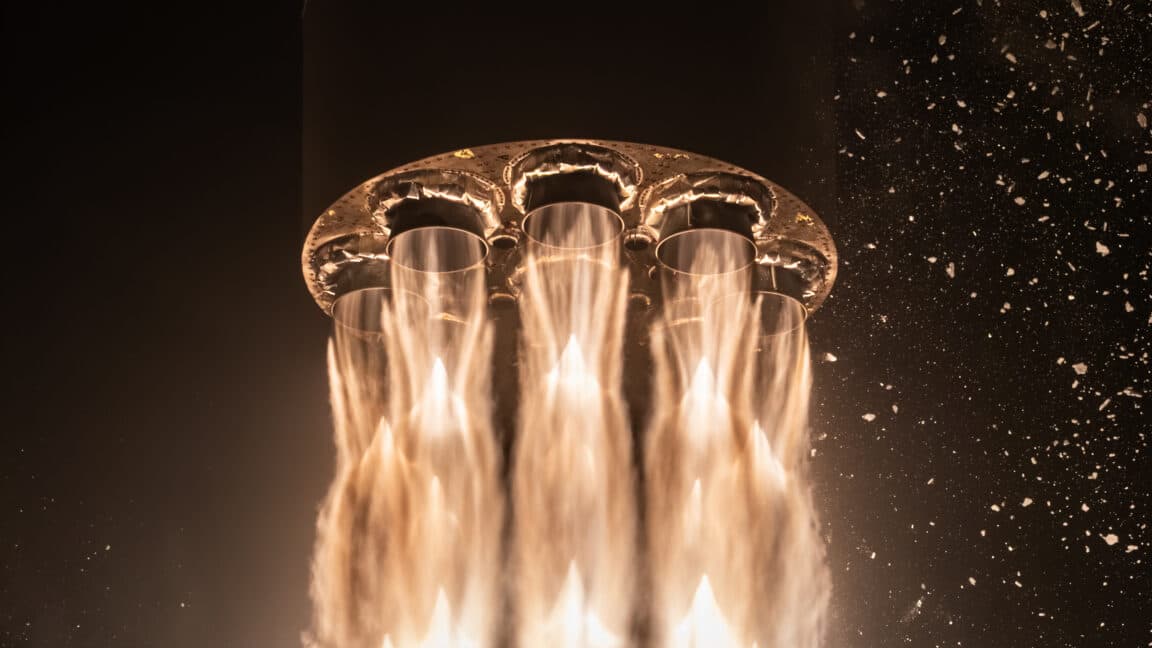
Some satellite companies are increasingly looking beyond SpaceX for launch services as the company adjusts its operations around its Falcon 9 rocket. This shift comes as SpaceX dials back its Falcon 9 launch cadence to focus resources on its next-generation Starship vehicle, a move that has left some payload providers searching for alternative ride options.
Why Smaller Launchers Are in Demand
As SpaceX prioritizes Starship development and Starlink deployment, availability on Falcon 9 rideshare missions has tightened. Satellite operators with specific orbit requirements or tight schedules are turning to newer, more flexible launch providers. Several factors explain this growing appetite for boutique launch services:
This demand for tailored services contrasts with the bulk approach often taken by larger launch companies. Satellite operators value the ability to control their deployment schedule and orbital parameters, even if it means paying a premium.
Why This Matters
The emergence of viable boutique launch options will reshape the economics of space access for years to come. Satellite companies that previously relied solely on SpaceX now have negotiating leverage and redundancy. Increased competition among launch providers is expected to lower costs for small payloads, enabling more startups and research institutions to orbit their own spacecraft. Furthermore, successful launches by companies like Isar Aerospace validate the business model for dedicated small launchers, encouraging additional investment and innovation in the sector. For operators of commercial imaging, communications and data relay satellites, a more diverse launch market means greater resilience and control over their assets.
Isar Aerospace and the New Competitive Landscape
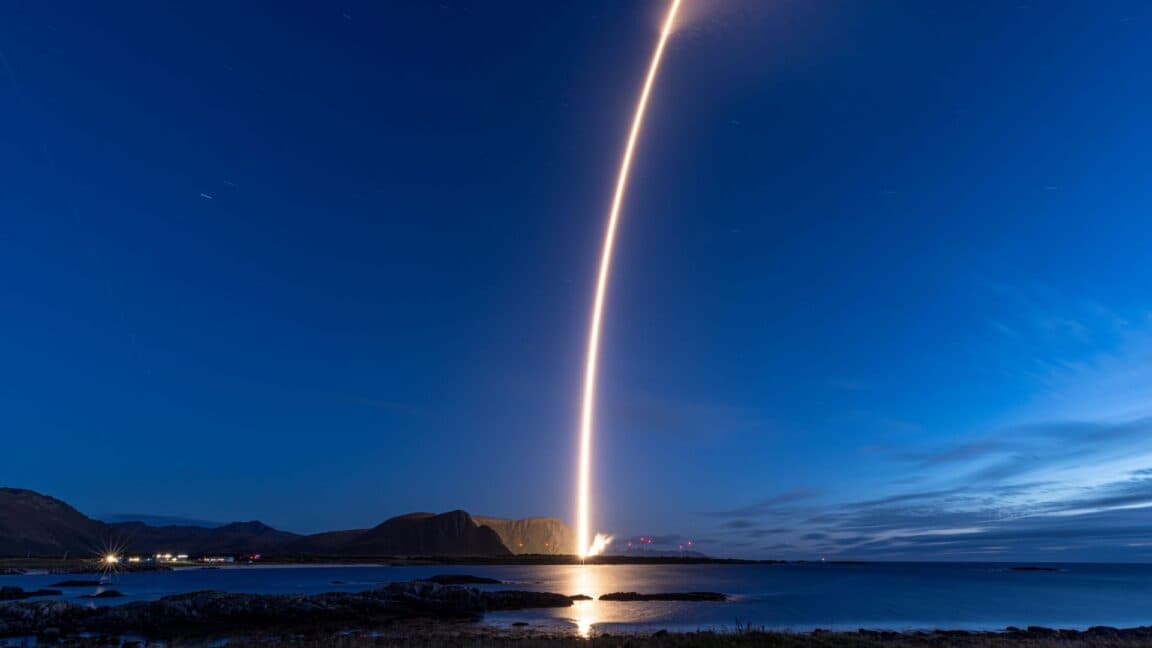
Germany's Isar Aerospace achieved orbit with its Spectrum rocket from a spaceport in northern Norway, delivering a batch of CubeSats to low-Earth orbit. This milestone follows an initial test flight that ended in failure, demonstrating the technical persistence required in this capital-intensive industry. Isar's success adds a credible European option to a market long dominated by a handful of players, including SpaceX and its Falcon 9 workhorse. While SpaceX's Starship remains in development and not yet ready for commercial payloads beyond Starlink, the window for newer providers to capture customers is open now. The long-term health of the launch market may depend on maintaining multiple reliable pathways to orbit, a goal that boutique services are helping to realize.