Senior Editor: Alan Agbele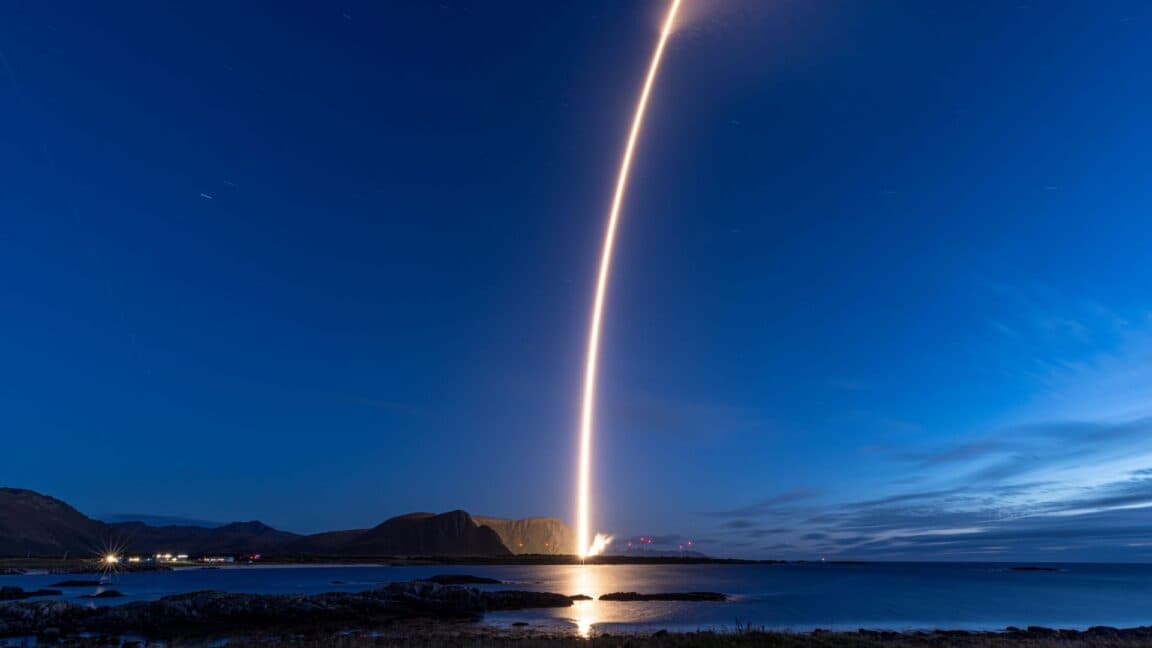
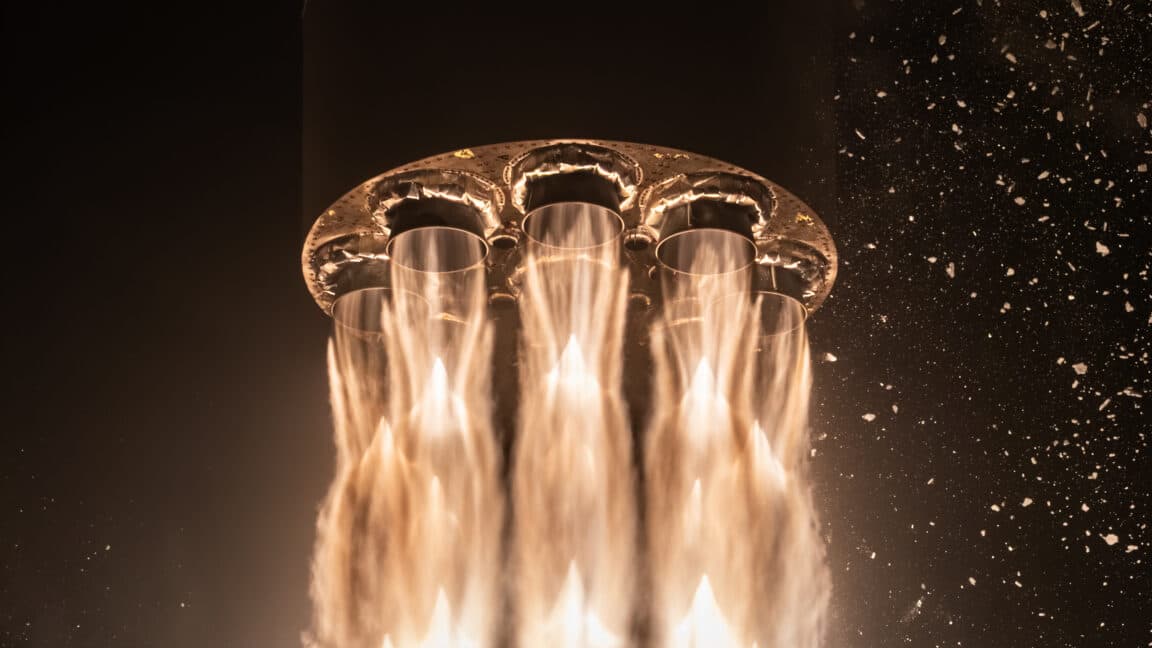
A German rocket startup has shattered a long-standing barrier for Europe's space industry, becoming the first purely commercial company in the region to place a privately developed rocket into orbit. Isar Aerospace, founded in 2018 by three university students, achieved the feat on its second launch attempt from a Norwegian spaceport inside the Arctic Circle. The two-stage Spectrum rocket lifted off successfully, placing Isar ahead of a pack of European startups vying to challenge the continent's government-dominated launch market.
A Historic First for European Space
Europe has long struggled to foster a thriving commercial launch industry, with most orbital missions handled by the government-funded Arianespace or international providers. Isar Aerospace's orbital insertion of the Spectrum rocket on Saturday changes that dynamic. The German company becomes the first European startup to achieve a fully commercial orbital launch, a milestone that analysts say could unlock new investment and accelerate the region's space ambitions.
The rocket's second-stage burn placed a payload into low-Earth orbit, though the company has not disclosed specific customer details. The launch was watched closely by European space agencies and potential clients, who see private competition as essential for reducing launch costs and increasing frequency.
Key Implications for the Launch Market
The success of Isar Aerospace carries several immediate consequences for the European space economy. The startup's achievement is expected to inspire confidence among venture capitalists and government backers who have been cautious about supporting unproven launchers.
The entry of a purely commercial European launcher could also prompt policy shifts, as regulators consider ways to streamline licensing and infrastructure support for private spaceflight.
Why This Matters
For years, Europe has watched the United States build a vibrant commercial launch ecosystem while its own efforts remained fragmented and reliant on government subsidies. Isar Aerospace's orbital success changes that narrative. It signals that private companies can compete in a capital-intensive industry without direct state ownership. The real-world impact will be felt by satellite internet providers, Earth observation firms and defense agencies that need reliable, affordable access to space. If Isar scales production as planned, it could reduce Europe's dependence on foreign launch providers and position the continent as a credible player in the new space economy. The sighting of the Ravn X vehicle alongside Isar's progress suggests a broader shift: commercial launch is no longer a US monopoly.
What Comes Next
Isar Aerospace now faces the challenge of scaling up operations. The company must prove it can deliver consistent, reliable launches to win long-term contracts. How quickly it can ramp up flight cadence will determine whether it becomes a major player or remains a niche provider. Other European startups are watching closely, and the race to be the second commercial launcher in Europe is already underway. With the Spectrum rocket's success, the era of purely commercial European spaceflight has truly begun.