Senior Editor: Alan Agbele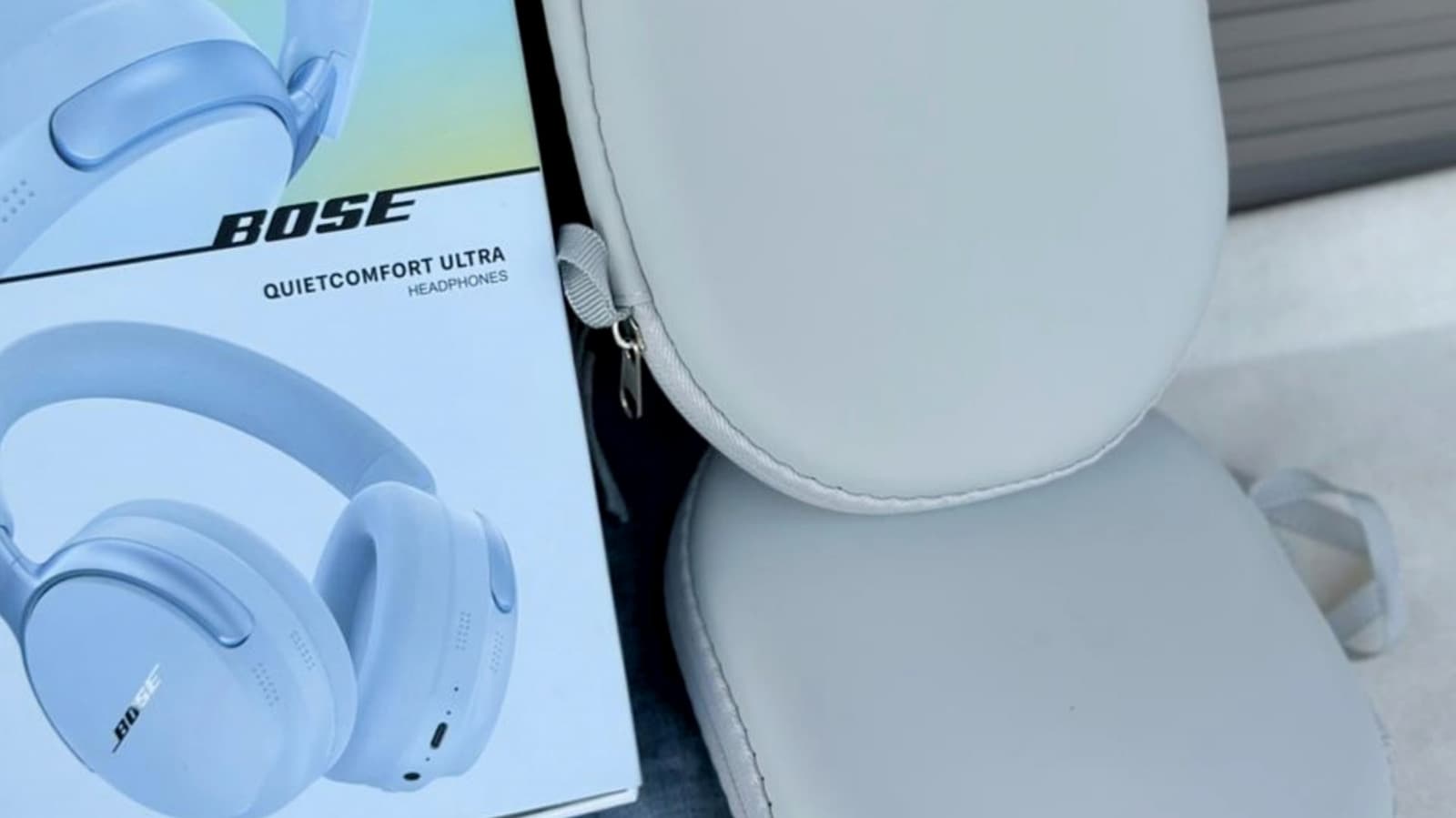
Bose headphones have maintained a strong reputation for audio quality and comfort, but durability remains a key question for buyers weighing the premium price tag. User reviews and owner surveys suggest most pairs deliver reliable performance for several years, though battery life in wireless models emerges as the primary weak point.
Average Lifespan Reported by Owners
Owner data across forums and review platforms indicates Bose headphones typically last between three and five years with regular use. Many users report their wired models, such as the QuietComfort 25, lasting beyond five years, often due to the absence of a built-in battery. Wireless models, including the QuietComfort 35 and 700 series, tend to show battery degradation after two to three years, which can shorten overall usable life.
Build quality receives generally positive feedback, with owners praising the robust headband and ear cushion materials. However, ear pads are a common replacement item, typically wearing out after 12 to 18 months of daily use. Bose offers replacement parts for most models, which extends the headphone lifespan for users willing to perform minor maintenance.
Common Durability Issues
The most frequent complaints center on battery performance and charging port wear. Owners report that battery capacity diminishes noticeably after two years, with some units failing to hold a charge after three years. The micro-USB ports on older models are also cited as fragile, with loose connections developing over time. Users of newer USB-C models report fewer port-related problems.
Physical damage from drops or pressure is less common but occurs. The plastic hinge assembly on some models has been noted as a weak point, with a minority of owners reporting cracks after prolonged use. Bose's warranty typically covers manufacturing defects for one year, but accidental damage requires paid repairs or replacement.
Why This Matters
Consumers investing in premium audio gear need realistic expectations for product longevity. The three-to-five-year window for Bose headphones aligns with industry averages for high-end wireless headphones, but the battery degradation timeline is a critical factor. Users who prioritize long-term use may prefer wired models or consider brands with user-replaceable batteries.
For frequent travelers and remote workers who rely on noise-canceling headphones daily, the cost-per-year calculation matters. A pair lasting four years at $350 equals roughly $87 per year, which many owners consider acceptable given the consistent sound quality and comfort. Buyers should factor in potential battery replacement costs or plan for upgrades every three to four years if they choose wireless models.
Market Context and Comparisons
Bose faces competition from Sony, Sennheiser and Apple in the premium headphone space. Sony's WH-1000X series receives similar longevity feedback, with battery degradation reported after two to three years. Sennheiser's Momentum series is praised for build quality but still relies on non-replaceable batteries in wireless versions. Apple's AirPods Max present a different durability profile, with a metal build but higher repair costs.
Overall, Bose headphones offer a reliable ownership experience for three to five years, with battery life the main limiting factor. Owners who care for their devices and replace ear pads as needed can often exceed the average lifespan, making Bose a solid investment for sound quality and comfort.