Editor: Porcia Akua Holmes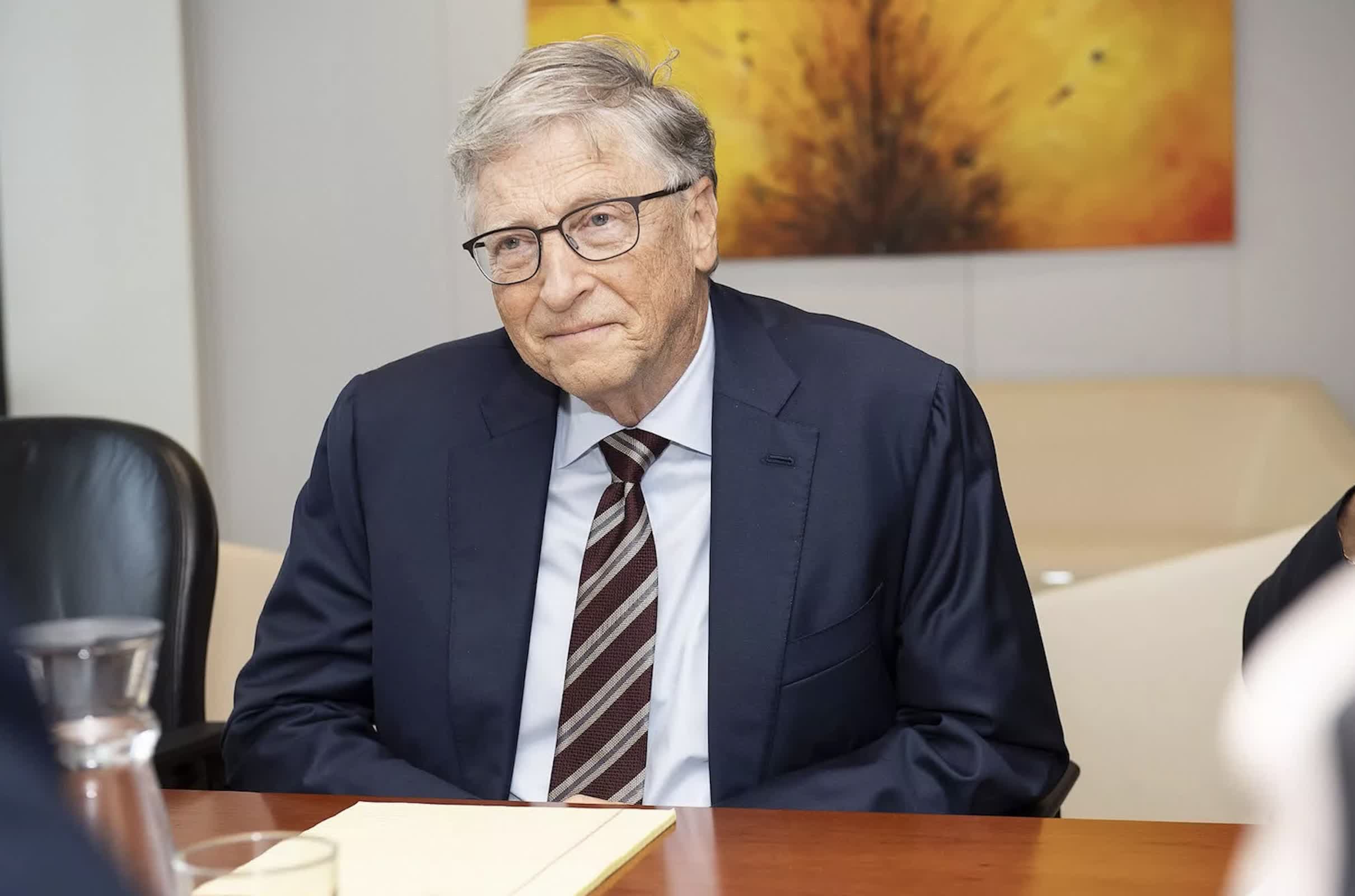
Bill Gates has broken ranks with the tech industry's public narrative, asserting that many senior executives privately harbor deep fears about artificial intelligence while refusing to voice those concerns. In a lengthy essay posted Wednesday, the Microsoft co-founder warned that unchecked AI development could fuel bioterrorism, displace workers and concentrate power dangerously. Gates called for a suite of policy interventions including taxes on certain AI applications, stricter testing for systems that could enable biological attacks and limits on replacing human workers with software.
The Private Fear Gap
For years, tech executives have publicly championed AI as a force for economic growth and societal progress. Behind closed doors, however, Gates argues, the mood is markedly different. He claims many are genuinely alarmed by the speed of AI advances and the potential for catastrophic misuse, yet they stay silent because acknowledging fear could undercut investor confidence or invite regulatory scrutiny.
Gates' willingness to speak openly marks a significant shift. As a longtime insider and philanthropist deeply invested in AI through his foundation and investments, he carries weight that few others in the industry command. His statement that executives are scared but won't say so adds a layer of credibility to concerns that have previously been voiced mostly by academics and watchdog groups.
Gates' Policy Proposals
To address the risks he outlined, Gates recommended three specific measures. Each targets a different dimension of the AI threat landscape:
These proposals go beyond the voluntary commitments and ethical guidelines that many tech companies have already adopted. Gates is essentially calling for government enforcement, which would represent a fundamental shift in how AI is governed.
Why This Matters
The implications of Gates' intervention are far-reaching. If the most prominent figures in tech are privately frightened, the public debate has been misaligned with reality. Policymakers now have a powerful ally pushing for proactive regulation rather than reactive cleanup. For workers, the prospect of AI-driven job displacement may accelerate, and Gates' tax proposal could mitigate the disruption. For tech companies, the essay signals that even within their own ranks, there is unease about the direction of development. The coming months may see more executives cautiously echoing Gates' language, shifting the industry's tone from boundless optimism to sober risk management.