Senior Editor: Alan Agbele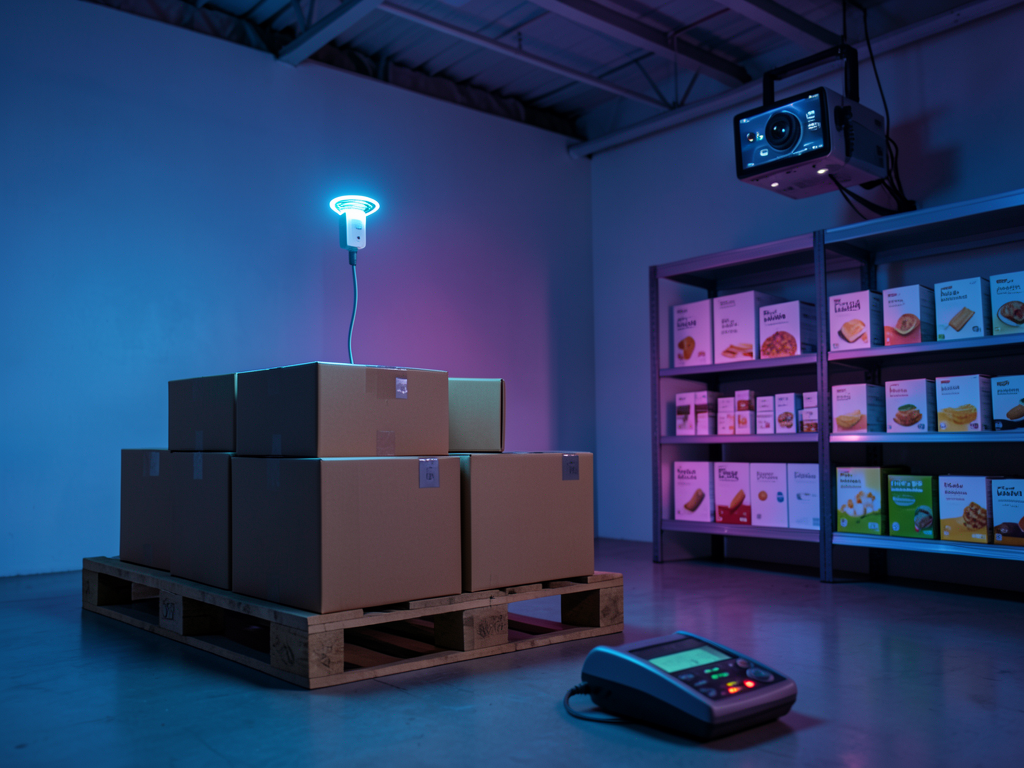
The familiar beep of a laser scanning a barcode is fading from stores and warehouses. After nearly 50 years as the backbone of retail inventory, the barcode is being replaced by faster and more versatile technologies. RFID tags and computer vision systems now allow retailers to track products without line-of-sight scanning, a change that touches everything from checkout speed to supply chain logistics.
How the Tracking Technology Differs
The core difference between barcodes and their successors lies in how data is collected. A barcode reader must see the black-and-white stripes directly, which means each item must be passed over a scanner one at a time. RFID tags, by contrast, emit a radio signal that a reader can detect even when the tag is inside a box or among other items. Computer vision takes a third approach: a camera captures an image of the product and AI matches it against a database, requiring no label at all.
Each method has trade-offs. RFID excels in warehousing where pallets of goods must be counted quickly. Computer vision is ideal for checkout-free stores, where cameras track what customers pick up and automatically charge them. Barcodes remain cheapest for simple point-of-sale scanning, but their limitations are driving a gradual phaseout.
Retailers Lead the Transition
Large retailers and logistics companies are investing heavily in post-barcode technologies. Amazon Go stores rely on computer vision and shelf sensors to eliminate checkout lines entirely. Walmart has deployed RFID tags in apparel and home goods to improve inventory accuracy and reduce out-of-stock items. DHL and other shipping giants use RFID to sort packages faster than barcode scanning allows. The shift is not happening overnight, but the trajectory is clear: barcodes are being relegated to low-cost, low-volume applications.
Why This Matters
The extinction of barcodes will reshape retail operations and consumer experiences. For shoppers, the change means faster checkout and less time spent waiting in line. For retailers, real-time inventory tracking reduces lost sales from empty shelves and helps prevent theft. But the transition also carries risks. Small businesses may struggle to afford the upfront investment in readers, cameras and software. Privacy advocates warn that computer vision systems can track customer movements far beyond what barcodes allowed, raising surveillance concerns. Workers who currently scan barcodes at registers may need to reskill as their roles evolve. The loss of the barcode is not just a technical swap; it is a shift in how much data stores collect and how quickly goods move through the economy.
Industry analysts expect barcode usage to decline steadily over the next decade, with RFID and vision systems absorbing most retail and logistics applications. The barcode will likely survive in niche areas such as library books or small-label products, but its era as the universal identifier is ending.