Senior Editor: Alan Agbele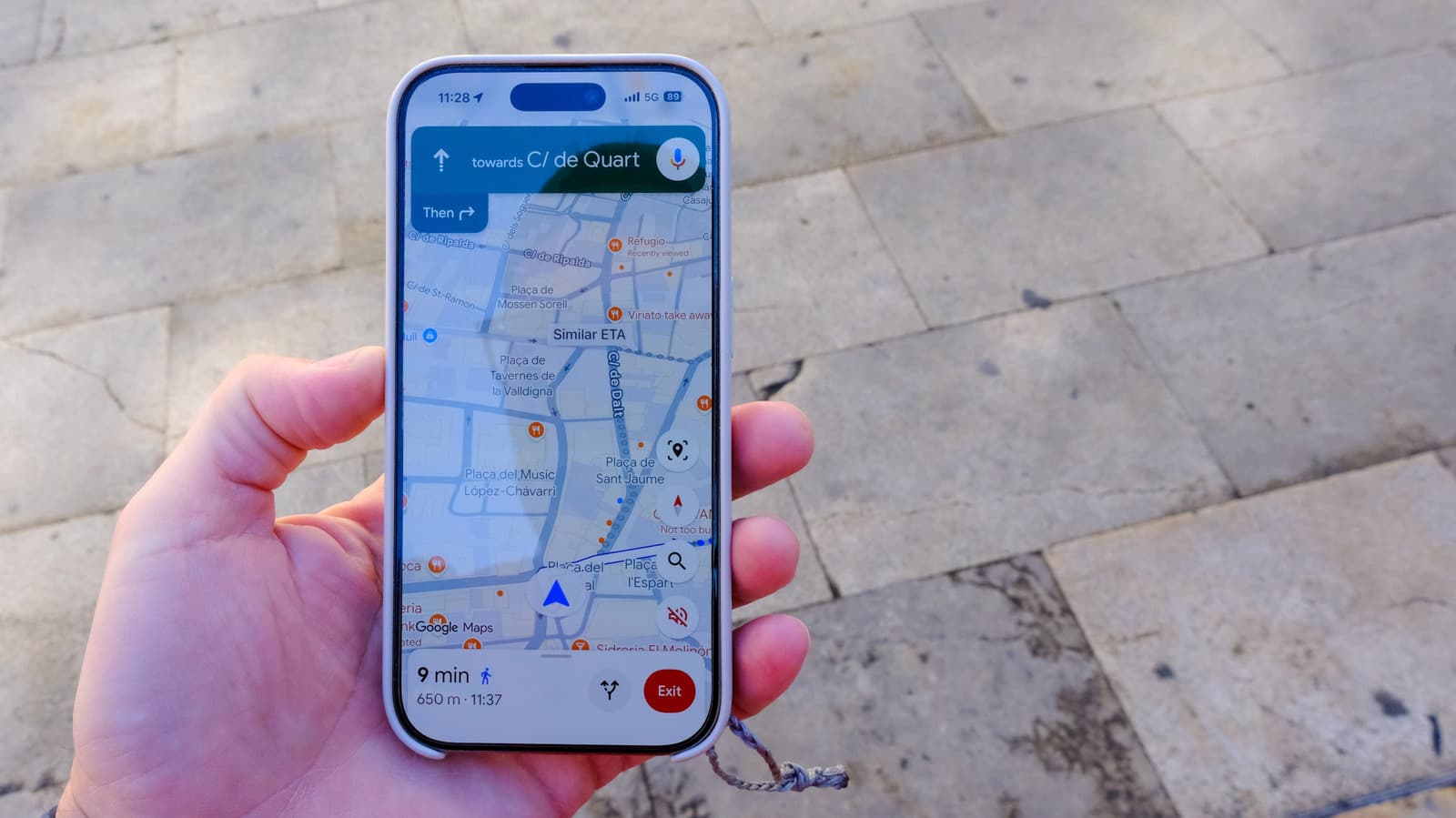
A Beijing artist successfully renamed a public road after himself on Google Maps by erecting unauthorized street signs and submitting them as photographic evidence. The incident, which remained undetected for months, underscores how easily user-generated content can manipulate digital cartography platforms.
The Prank and Its Execution
The artist fabricated street signs bearing his chosen name, installed them on an existing road and then photographed the result. Using Google Maps' editing tool, he submitted the photos as proof of the change. The platform's verification system accepted the images, and the new street name appeared on the map. The false name remained live for several months before Google's team detected and removed it.
Broader Implications for Digital Maps
The incident exposes a core tension in platform design. Google Maps relies on user contributions to keep data fresh, but that openness invites manipulation. Other navigation services such as Apple Maps and Waze face similar risks. For Alphabet, which owns Google, the episode underscores the need for stronger validation layers. Automated cross-checks against municipal road databases could flag suspect changes. Human reviewers, however, cannot scale to millions of edits daily.
Why This Matters
For consumers, the prank shows that map data is not infallible. A altered road name could mislead delivery services, emergency responders or tourists. For platform companies, the reputational damage from even a single false edit undermines trust in the entire database. This event will likely accelerate investment in AI-powered verification tools that anlyze photo metadata, compare satellite imagery or require multiple independent submissions before accepting changes. Regulators may also take interest, especially if manipulated maps affect public safety.
Lessons for Platforms and Users
The Beijing case is a cleare reminder that digital maps are only as reliable as the systems that vet them. Until platforms implement stricter safeguards, creative pranks like this one will continue to test those boundaries.