Editor: Porcia Akua Holmes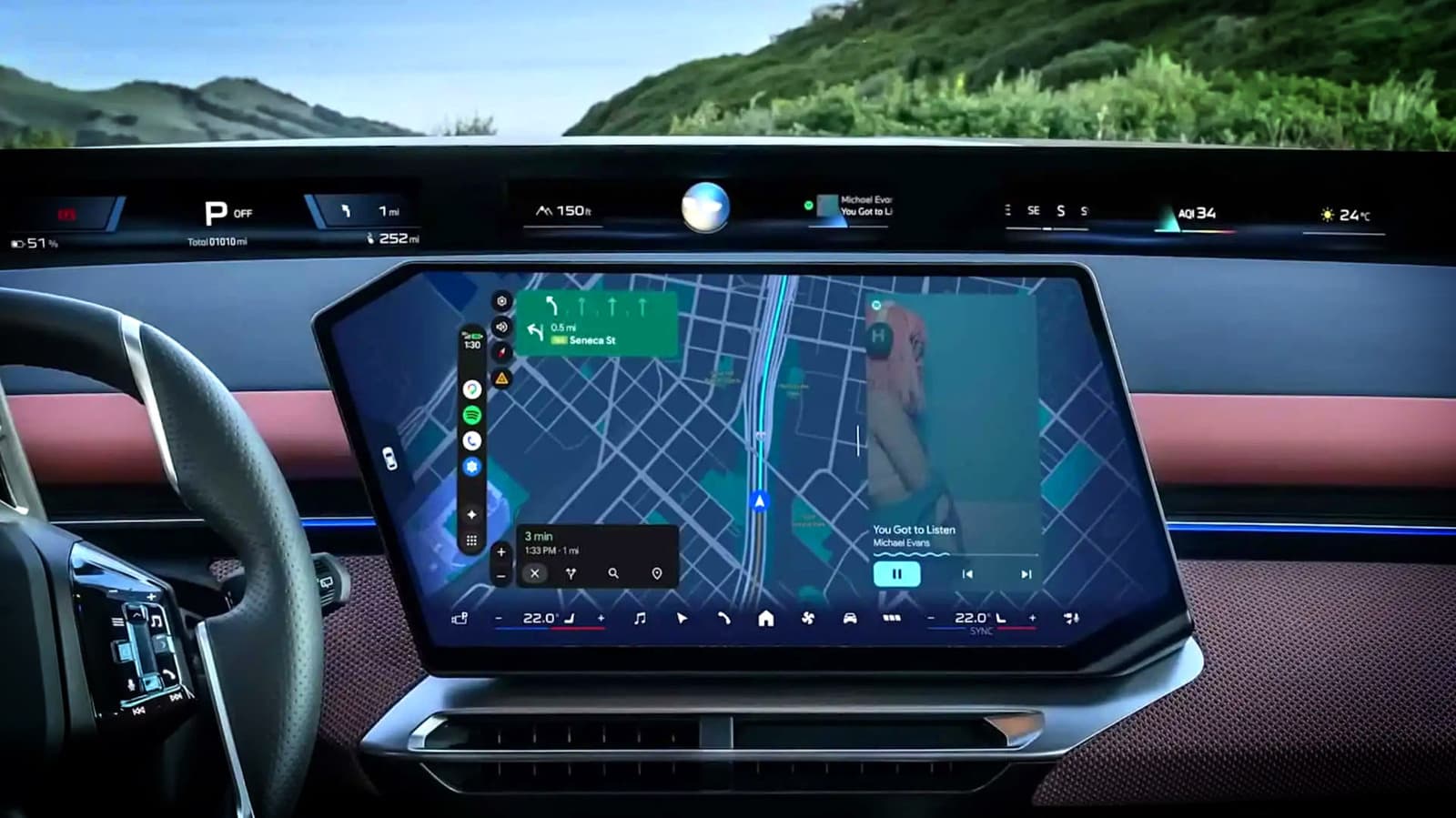
Car buyers have long considered Android Auto a must-have feature for seamless smartphone integration. But a growing number of automakers are planning to remove it from new vehicles starting in 2026, betting that their own built-in software can deliver a better experience.
The Shift Toward Proprietary Systems
General Motors announced it will phase out Android Auto and Apple CarPlay in its electric vehicles beginning with the 2024 Chevrolet Blazer EV. Other manufacturers including Rivian and Tesla already rely exclusively on custom operating systems. Industry insiders expect more brands to follow suit by mid-decade.
The move stems from a desire to control the in-car experience end to end. Automakers want direct access to driver data, the ability to sell subscription services and the freedom to update features over the air without waiting for Google or Apple approval.
What Drivers Stand to Lose
Android Auto mirrors a phone's apps on the dashboard display, offering familiar interfaces for maps, music and messaging. Removing it forces drivers to learn new systems that may not integrate as smoothly with their devices.
Many current users rely on Android Auto for hands-free texting, voice navigation and media playback. Switching to a proprietary system could mean losing support for third-party apps or requiring separate subscriptions for connected services that were previously free through phone integration.
Why This Matters
This trend directly affects anyone planning to buy a new car in the next few years. Drivers who prefer using their phone as the primary interface may find fewer options available. The change also raises questions about data privacy, as automakers gain more control over personal information collected through infotainment systems.
For consumers invested in Google's ecosystem, the loss of Android Auto could reduce convenience and increase costs if automakers charge monthly fees for navigation or voice assistant features that are currently free via smartphone mirroring.
A Bet on In-House Software
Automakers argue that custom platforms allow deeper integration with vehicle functions such as battery management in EVs or advanced driver assistance features. General Motors has partnered with Google to embed its apps directly into its Ultifi system, aiming for faster updates and a more cohesive user experience.
The strategy mirrors what Tesla has done since its inception: controlling every layer of software from the dashboard to autonomous driving features. If successful, this approach could give traditional automakers recurring revenue streams beyond one-time vehicle sales.
The Road Ahead
The transition will not happen overnight. Many models sold through 2025 will still offer Android Auto compatibility. But buyers shopping for electric vehicles or premium trims should check whether future models support phone mirroring before making a purchase decision.
The industry is at an inflection point where convenience meets corporate strategy. For now, drivers who value smartphone integration may want to act quickly before choice narrows further.