Senior Editor: Alan Agbele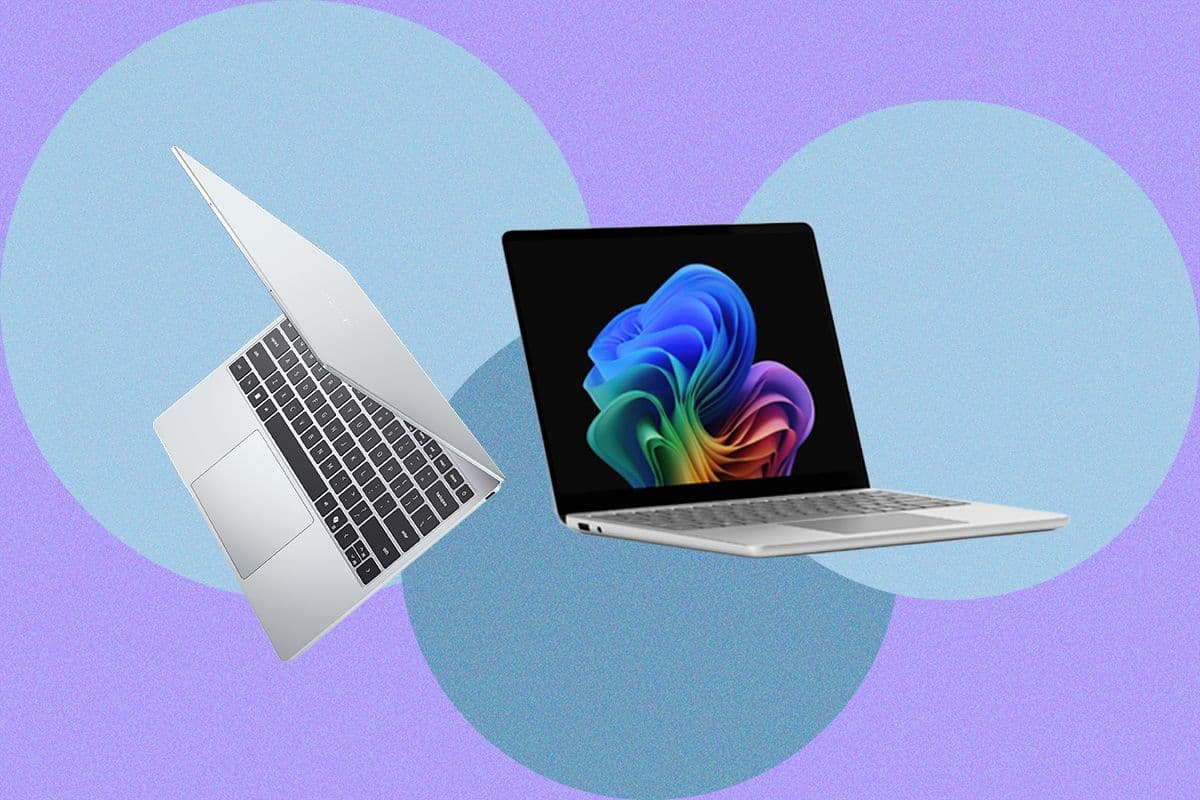
The MacBook Neo has a new set of challengers. Dell and Microsoft both unveiled laptops this week designed to take on Apple’s popular thin-and-light machine. But industry observers say the newcomers may fall short where it matters most.
What the New Rivals Bring
Dell introduced the XPS 14 Ultra, a slim aluminum notebook with a 14-inch OLED display and Intel’s latest Core Ultra processors. Microsoft countered with the Surface Laptop 6, featuring a refined hinge design and a dedicated Copilot key for AI tasks. Both companies emphasized portability and battery life, two areas where the MacBook Neo has set benchmarks.
Pricing starts at $1,299 for the Dell and $1,399 for the Microsoft, undercutting the Neo’s $1,499 entry point by a slim margin. The devices ship with Windows 11 and target professionals and students who want a premium experience without the macOS ecosystem.
Where the Imitators Miss the Mark
Early reviews point to several gaps. The Neo’s unified memory architecture and custom M-series chips deliver superior performance per watt, a gap that Intel-based rivals struggle to close. Dell and Microsoft also failed to match the Neo’s consistent thermal performance under load, with some units throttling during extended use.
Design choices drew criticism as well. The Neo’s fanless design and wedge profile remain unique. Competitors still rely on active cooling and thicker chassis, which add weight and noise. Battery life tests show the Neo lasting two to three hours longer in mixed usage.
"They’re copying the look but not the engineering," said one hardware analyst. "The Neo isn’t just a thin laptop. It’s a system designed from the ground up."
Why This Matters
Consumers shopping for a premium laptop now have more options, but the differences go beyond brand preference. The Neo’s performance and efficiency advantages mean users may get longer usable life and fewer compromises. For professionals who rely on sustained processing power, the gap could be decisive. The new rivals also highlight a fragmented Windows ecosystem, where performance varies widely across OEM models, while Apple delivers a consistent experience.
Businesses considering fleet upgrades should weigh total cost of ownership, not just sticker price. The Neo’s higher resale value and longer software support may offset its higher upfront cost. Individual buyers who prioritize battery life and quiet operation may find the imitators disappointing.
The laptop market remains highly competitive, but imitating the MacBook Neo’s silhouette does not guarantee success. Apple’s lead in silicon engineering and vertical integration gives it an edge that rivals have not yet replicated. For now, the Neo stays ahead of the pack.