Editor: Porcia Akua Holmes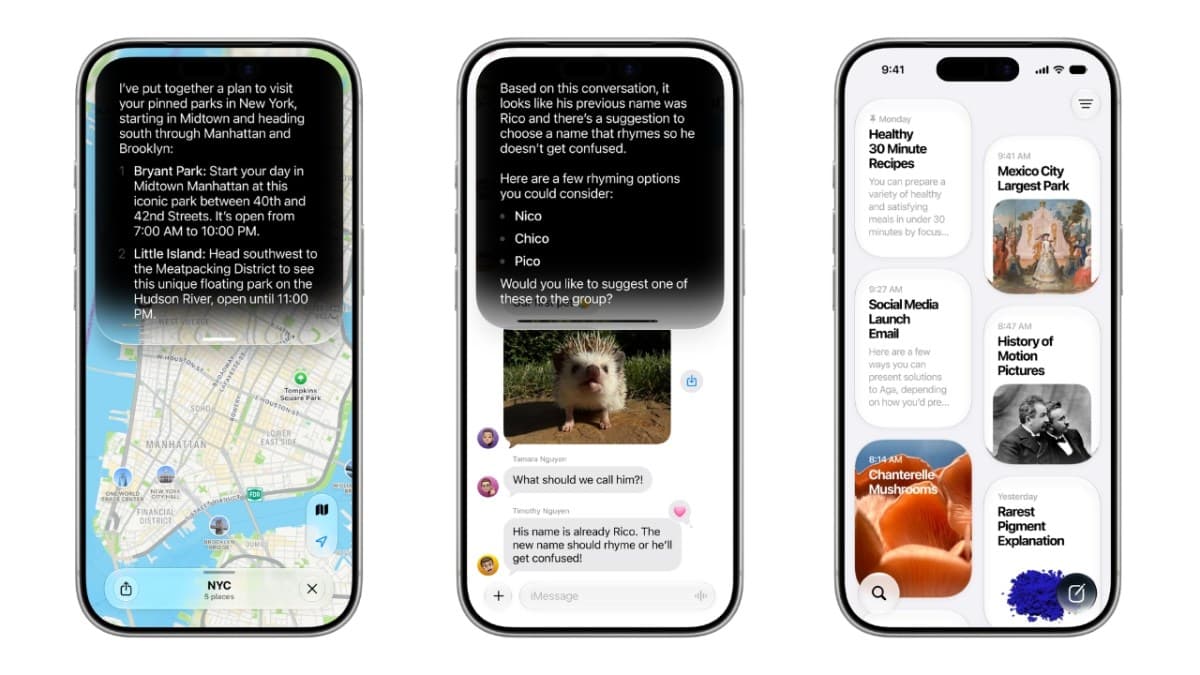
Apple has opened its redesigned Siri AI to a broader audience, releasing the iOS 27 public beta on Tuesday. iPhone owners can now try the AI-powered assistant before the software's official rollout later this year. The public beta offers a glimpse of Apple's strategy to catch up in the conversational AI race.
What the iOS 27 Public Beta Offers
The public beta includes a significantly updated Siri that can handle more complex requests and understand context across apps. Apple emphasized that many tasks run on-device, reducing the need to send data to the cloud. Early testers report faster responses and improved accuracy for tasks like setting reminders or controlling smart home devices.
Beyond Siri AI, iOS 27 brings updates to Messages, Maps and widgets. But the AI-powered Siri is the headline feature, marking Apple's biggest effort to modernize its assistant since 2011.
Why This Matters
Apple's decision to release the Siri AI upgrade to the public beta signals a shift in its product strategy. The company has faced criticism that Siri lags behind competitors like Google Assistant and Amazon Alexa in natural language understanding. By opening the beta to all users, Apple can collect real-world feedback and train its models on diverse voice data before the official launch.
The implications extend beyond convenience. Developers who build for Apple's ecosystem now have a clearer timeline to adapt their apps to the new Siri capabilities. For users, the improved on-device processing could reduce reliance on cloud servers, a privacy advantage Apple has long marketed. If Siri AI delivers on its promises, it could pressure rivals to accelerate their own privacy-focused features. The public beta, however, is still a work in progress; some features may be incomplete or buggy until the final release this fall.